




high protein plant based meals: Easy, Tasty, Real-Life Recipes
When you nail the formula, a high-protein plant-based meal is more than just healthy—it’s something you actually look forward to eating. It's all about combining powerhouse ingredients like lentils, tofu, and quinoa with colourful veggies and sauces that pack a punch. Forget the bland stereotypes; these meals are delicious, filling, and surprisingly simple to throw together.
Why Everyone Is Talking About Plant Based Protein
It feels like plant-based eating has gone from a niche lifestyle to a mainstream movement, especially here in Australia. This isn't just another fad. It's a real shift, with people noticing tangible benefits like having more energy, better digestion, and feeling good about making a more sustainable choice.
You can see this change reflected in the numbers, too. The Australian plant-based protein market has exploded, hitting around USD $338 million. It's on track to reach almost USD $600 million by 2033 as more people embrace vegan and flexitarian diets. The story is clear: Aussies are getting serious about plants.
Ditching the Protein Myth
One of the biggest hang-ups people have is the old myth that getting enough protein without meat is some kind of complicated science experiment. Honestly, it’s much simpler than that. If you're eating a good variety of plant foods, you'll easily hit your protein goals without having to track every single gram. Your body is clever enough to piece together the amino acids it needs from everything you eat during the day.
Instead of stressing, get excited about all the new ingredients you can play with.
- Hearty Legumes: Think lentils, chickpeas, and black beans. They’re the backbone of so many great dishes, from hearty curries to satisfying veggie burgers.
- Versatile Soy: Tofu and tempeh are absolute champions. They soak up any flavour you throw at them, making them perfect for stir-fries, tacos, and nourishing bowls.
- Nutrient-Dense Grains: Quinoa isn't just another grain; it’s a complete protein. It adds a wonderful, fluffy texture to salads and makes a great base for any meal.
The goal isn't just to eat plants; it's to create meals you genuinely crave. When your food is both nourishing and delicious, building healthy habits doesn't feel like a chore at all.
And for those days when you need a quick and easy boost, a good supplement can be a lifesaver. Checking out the best vegan protein powder options is a great way to find something to supercharge your morning smoothie or post-workout shake. It’s all about making smart, simple choices that fuel your body and taste amazing.
Figuring Out How Much Protein You Actually Need
https://www.youtube.com/embed/VSCpOuLzTmc
Before we start building the perfect high-protein plant-based meal, let's talk about what your body really requires. Protein isn't just a gym buzzword; it’s the essential building block for everything from muscle repair and immune function to simply keeping you feeling full and satisfied after a meal. Nailing your intake is a game-changer for feeling your best.
One of the oldest myths that still trips people up is the idea of "incomplete" plant proteins. The great news is, that's been thoroughly debunked. Your body is incredibly efficient and can pool amino acids from all the different foods you eat throughout the day. So long as you're eating a good variety of plants, you're almost guaranteed to be getting all the essential amino acids you need.
The shift to plant-based eating is more than a trend; it's a movement. Just look at the numbers for Australia's plant protein market—it's currently valued at $338M and is projected to hit $600M.
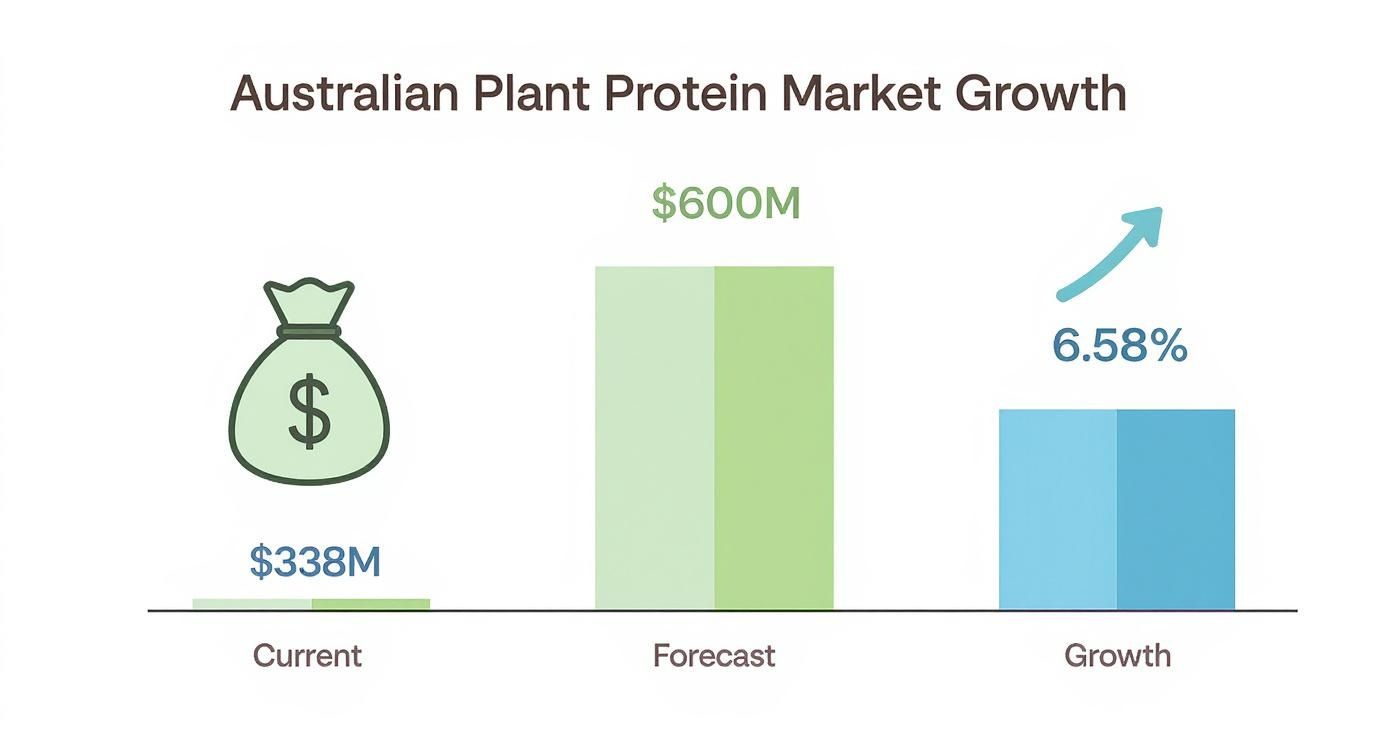
That 6.58% growth rate shows just how many Aussies are getting on board, drawn by the benefits for both their health and the planet.
A Simple Guide to Your Daily Protein Target
Forget complicated calculators and stressing over every gram. A solid, simple guideline for most adults is to aim for about 0.8 grams of protein per kilogram of body weight each day.
Of course, your needs will change based on how active you are.
- Moderately Active: If you're hitting the gym or going for a run a few times a week, bumping that up to 1.2 to 1.4 grams per kilogram will give your muscles the support they need to recover.
- Highly Active: For anyone into intense training, heavy lifting, or endurance sports, aiming for 1.6 to 1.8 grams per kilogram is a smart move to really optimise performance and repair.
As a quick example, a 70kg person would aim for a baseline of around 56 grams of protein daily. Think of it less as a strict rule and more as a helpful guide to inform your food choices.
This dietary shift is becoming more and more common right here in Australia, where around 8% of us now follow a vegan or vegetarian diet. People are increasingly aware of the health concerns tied to high animal protein intake, like cardiovascular disease, and are also motivated by environmental factors.
The real secret isn't perfection; it's variety. When you make a conscious effort to include a mix of legumes, whole grains, nuts, and seeds in your meals every day, you'll hit your protein targets without even thinking about it.
Many of these protein-packed ingredients are already heroes in global cuisines. If you need some inspiration, check out our guide on Indian vegetarian protein sources for some seriously delicious ideas. Making small, consistent changes is the key to building a high-protein plant-based lifestyle that actually sticks.
A Simple Formula for Building Your Plate
Alright, let's move from the 'what' to the 'how'. Putting together a satisfying, high-protein plant-based meal isn't about spending hours with complicated recipes. It’s actually much simpler. Think of your plate as a canvas you can paint with nourishing, flavourful foods.
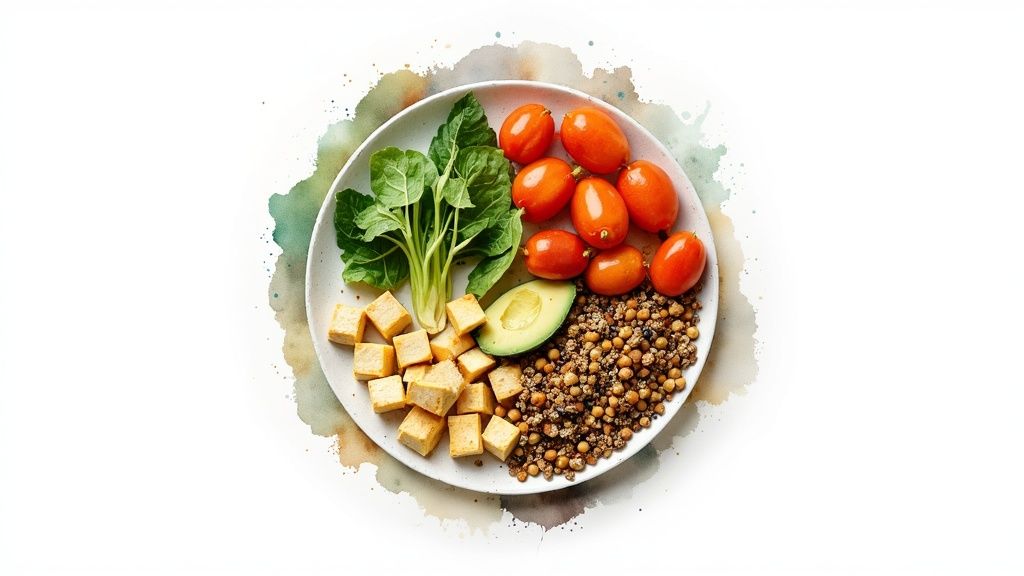
There's a really straightforward visual guide I use all the time. Aim to fill half your plate with colourful, non-starchy veggies. Then, dedicate one-quarter to your chosen plant protein and the final one-quarter to some quality complex carbs. This isn't a strict rule, but it’s a brilliant framework that ensures you’re getting a great mix of micronutrients, fibre, and the slow-burn energy you need to get through the day.
Nail Your Protein Quarter
This part of the plate is your hero. It delivers the staying power that keeps you full and the essential amino acids your body needs for muscle repair and general health. The best part? The variety is huge, so boredom is never an issue.
- Legumes: A cup of cooked lentils (approx. 18g protein), chickpeas, or black beans works perfectly.
- Soy Products: Think a 150g block of firm tofu (approx. 12-15g protein) or a slice of tempeh.
- Seitan: A 100g serving of this can deliver a massive 20g+ of protein.
It’s no surprise that more people are catching on. The Australian plant protein market was valued at around USD $184.8 million and is on track to hit nearly USD $320 million by 2034. It's a clear sign that Aussies are actively seeking out high-quality, sustainable options. If you're interested in the market trends, you can dive deeper with this detailed report on Australian plant protein.
Fuel Up with Your Complex Carb Quarter
This is where your long-lasting energy comes from, helping you avoid that dreaded 3 p.m. slump. I always recommend sticking to whole, unprocessed sources to get the most nutritional bang for your buck.
- Wholegrains: A cup of cooked quinoa (approx. 8g protein), brown rice, or barley.
- Starchy Veggies: A medium sweet potato or a cup of roasted pumpkin.
- Wholegrain Pasta: Look for pasta made from whole wheat, spelt, or even legumes for an extra protein boost.
Fill the Other Half with Colourful Veggies
Now for the fun part: load up the rest of your plate with as much colour and variety as you can. Non-starchy vegetables are your ticket to getting heaps of vitamins, minerals, and fibre without a lot of calories. Seriously, don't be shy with your portions here.
Think broccoli, spinach, capsicum, mushrooms, cauliflower, and all the leafy greens. The more variety you can pack in, the broader the spectrum of nutrients you’ll get.
A Finishing Touch of Healthy Fats
Lastly, don't skip the healthy fats! A little drizzle or sprinkle adds so much flavour and satisfaction. Plus, it’s essential for helping your body absorb fat-soluble vitamins (A, D, E, and K) from all those lovely veggies.
A handful of seeds, a quarter of an avocado, or a spoonful of tahini dressing can bring the whole meal together. By following this simple plate method, you'll be creating delicious and balanced high protein plant based meals without ever feeling like you're on a restrictive diet.
Meal Prep Strategies That Actually Work for Busy People
Let's be honest. The dream of cooking a wholesome, delicious meal from scratch every night is lovely, but for most busy professionals and students, it's just not realistic. This is where a little bit of smart meal prep can be an absolute lifesaver. I'm not talking about the kind that eats up your entire Sunday, but a practical approach that genuinely saves you time and stress when you need it most.
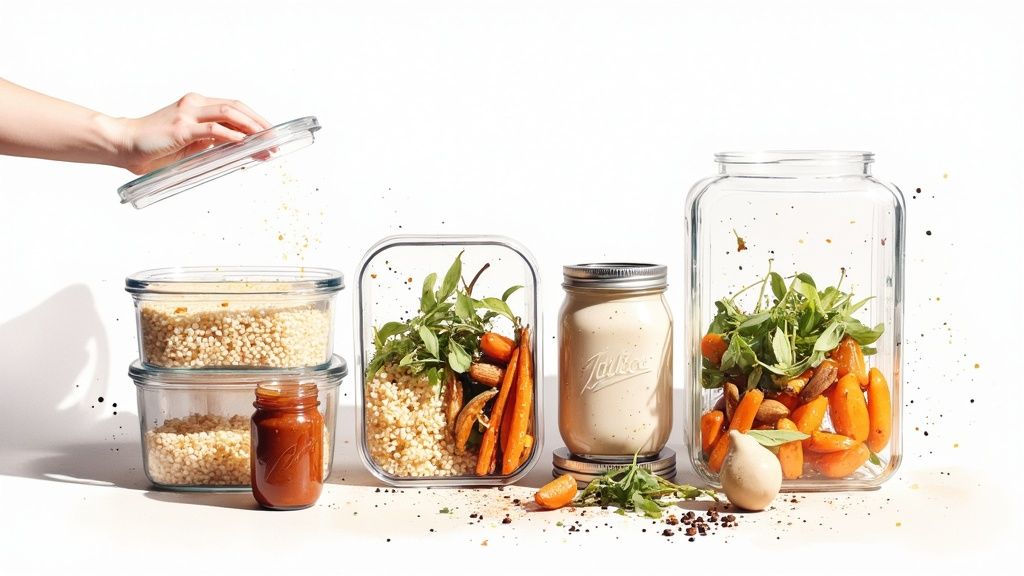
The trick is to stop thinking about prepping entire, identical meals for the week. That's a fast track to getting bored by Wednesday. Instead, I always recommend component prepping. Think of it like setting up your own personal salad bar or deli counter right in your fridge. You prepare individual ingredients, giving you the freedom to mix and match them into fresh, exciting high protein plant based meals in minutes.
Your Sunday Component Prep Checklist
If you can find just one or two hours on a Sunday, you can set yourself up for a week of success. This small upfront investment makes a huge difference and helps you sidestep the temptation of last-minute takeaway.
- Batch Cook Your Grains: Get a big pot of quinoa, brown rice, or even farro on the go. Once it's cooked and cooled, store it in the fridge. It's the perfect base for a quick power bowl or a hearty side to a curry.
- Roast a Big Tray of Veggies: I love to chop up whatever's in the fridge—broccoli, capsicum, sweet potato, red onion—toss it all with some olive oil and spices, and roast until tender. Roasting deepens their flavour and makes them a fantastic addition to almost any dish.
- Get Your Proteins Ready: This is a big one. Press and cube a block of firm tofu, simmer a big batch of lentils, or simply rinse a few cans of chickpeas or black beans. Having these ready to throw into a meal is a total game-changer.
- Whip Up a Versatile Sauce: A good sauce can bring everything together. A simple tahini dressing, a zesty peanut sauce, or a classic lemon-herb vinaigrette can elevate your prepped components into a properly delicious meal.
Prepping components is the key to avoiding food boredom. It gives you the flexibility to build different meals all week, so you never feel like you're eating the same thing over and over.
Genuinely Quick Recipes for a Busy Week
Even with prepped ingredients, some days you just need a meal that comes together in under 20 minutes. Here are a couple of my personal go-to recipes that use common pantry staples but still deliver a serious protein punch.
15-Minute Red Lentil Bolognese
This is a weeknight lifesaver. Just sauté some garlic and onion, stir in a cup of red lentils, a tin of crushed tomatoes, your favourite dried herbs, and a bit of water. Let it all simmer away for about 12-15 minutes until the lentils are soft. It's so hearty and comforting served over wholewheat pasta or zucchini noodles.
5-Minute Power Protein Smoothie
For those mornings when you're literally running out the door, this is your best friend. In a blender, combine a scoop of your favourite plant-based protein powder, a cup of soy milk, a frozen banana, and a big tablespoon of peanut butter. It’s a complete breakfast that will actually keep you feeling full until lunchtime.
These strategies are all about being flexible and fitting into your real, busy life. For a deeper dive into organising your week, you can find some more fantastic vegan meal prep ideas that follow this same time-saving philosophy. Once you find a meal prep rhythm that works for you, you'll see just how easy and enjoyable eating well can be.
A Realistic High Protein Meal Plan to Get You Started
It's one thing to talk about protein targets and food lists, but seeing it all laid out in a real week is what makes it click. To show you just how manageable high-protein plant-based eating can be, I've put together a practical, no-fuss meal plan. This isn't about spending hours in the kitchen every night; it's about smart strategies, prepped ingredients, and convenient options that help you stay on track without the stress.
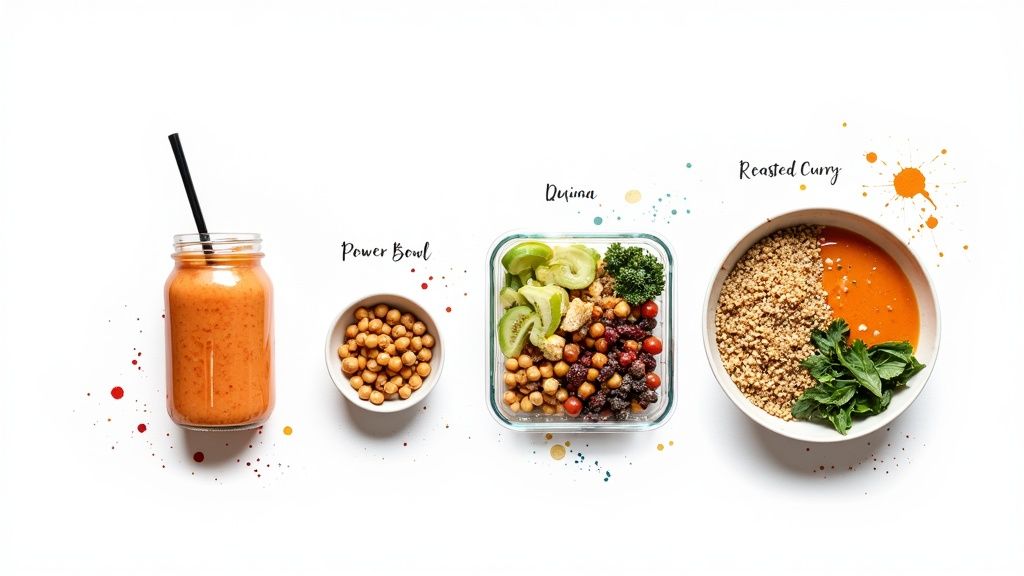
You'll see a running theme here. A solid meal prep session on a Sunday—batch-cooking some grains, roasting a tray of veggies—can honestly change the game for the entire week. Lunches suddenly become power bowls you can throw together in minutes, and dinner is often just a delicious plate of leftovers from the night before. This is a plan designed for real life, where your time is gold.
Sample 3-Day High Protein Plant Based Meal Planner
Let's walk through a few days to see how simple it can be to structure your meals and snacks to consistently hit those protein goals. Think of this as a template you can adapt with your own favourite foods.
Here's an example of how you could structure a few days to stay on track.
| Day | Breakfast (approx. 20-25g protein) | Lunch (approx. 25-30g protein) | Dinner (approx. 30-35g protein) | Snacks (approx. 15-20g protein total) |
|---|---|---|---|---|
| Monday | High-protein smoothie with soy milk, protein powder, and peanut butter. | Quinoa bowl with prepped roasted veggies, chickpeas, and a tahini dressing. | Hearty red lentil bolognese with wholewheat pasta, topped with nutritional yeast. | A handful of almonds and a piece of fruit. |
| Tuesday | Tofu scramble with spinach, mushrooms, and a slice of wholegrain toast. | Leftover lentil bolognese from Monday night. | Black bean burgers on a wholemeal bun with a large side salad. | Greek-style coconut yoghurt with a sprinkle of seeds. |
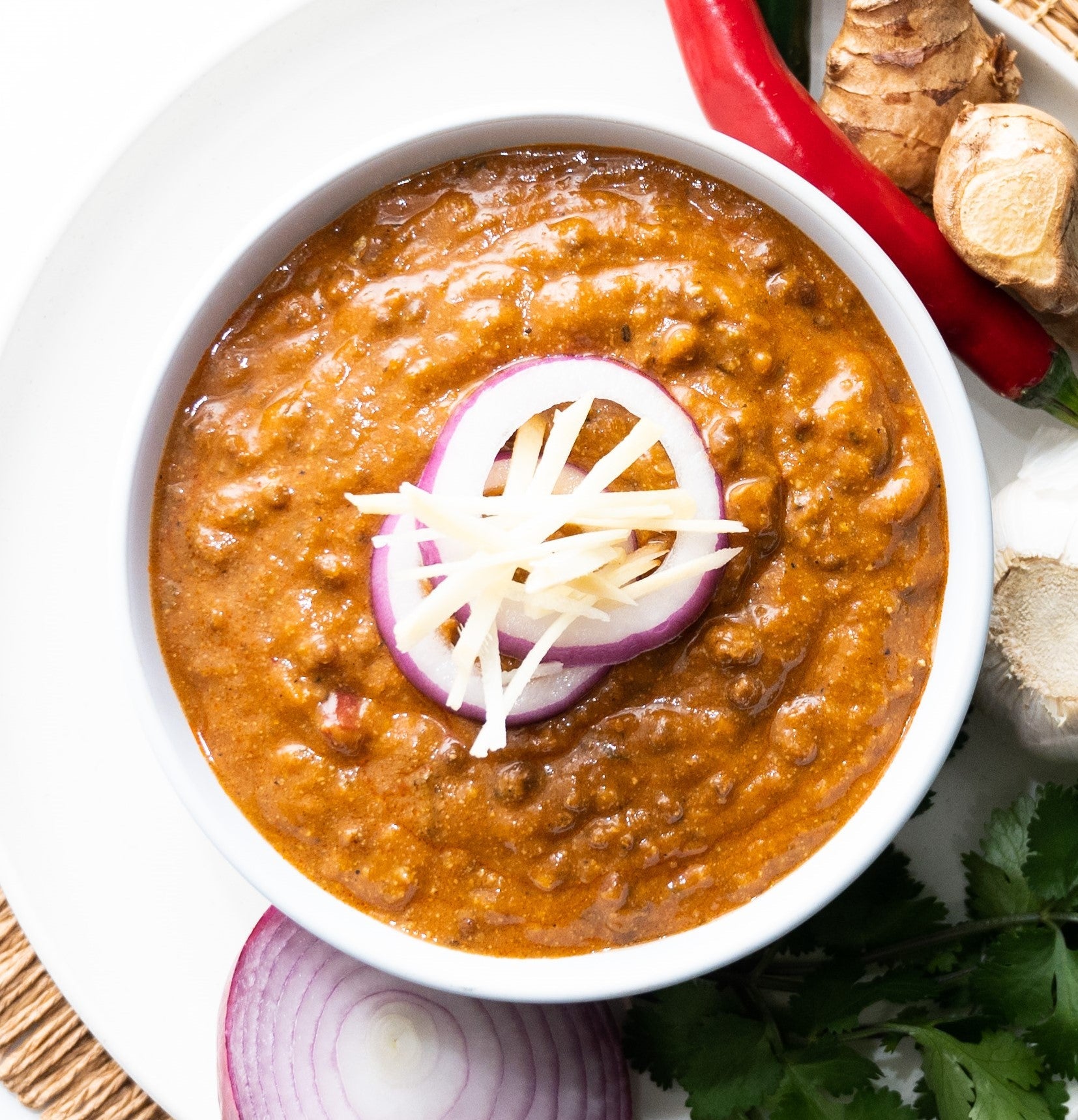
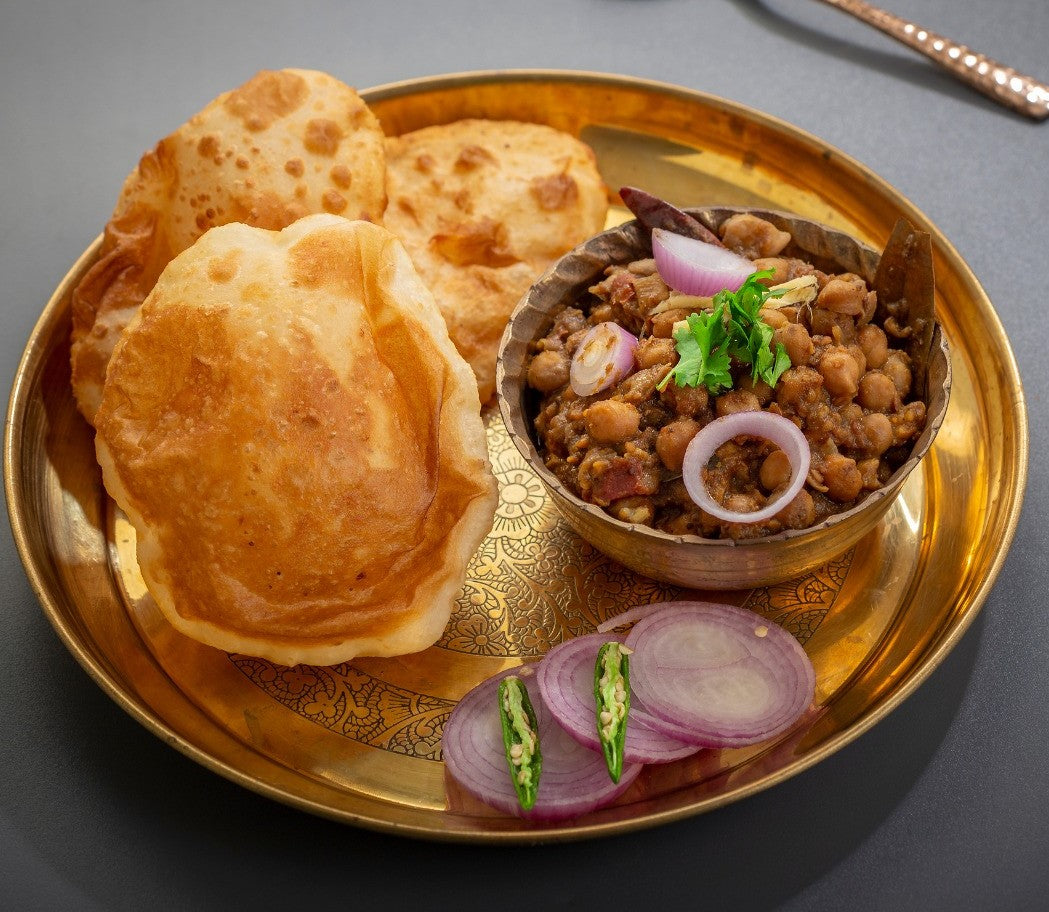
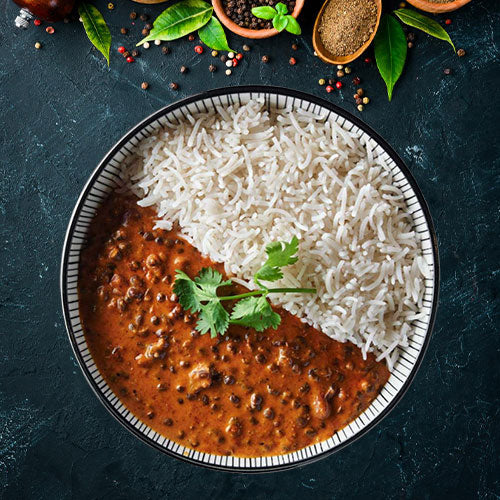
| Wednesday | Overnight oats made with soy milk, chia seeds, and topped with berries. | Large salad with mixed greens, baked tempeh strips, and a lemon-herb vinaigrette. | A Jewel of Asia ready-to-eat Chana Masala served with your prepped brown rice. | Roasted edamame and a small apple. |
This schedule is all about being practical and making life easier.
Embracing Smart Shortcuts
Did you catch Wednesday’s dinner? That’s the reality check. Some nights, cooking from scratch is the last thing on your mind. Having a high-quality, ready-to-eat meal on hand is the ultimate safety net, preventing you from dialling up a less-than-ideal takeaway.
Integrating trusted ready-made options is a strategic move, not a failure. It ensures you can still enjoy delicious, high-protein plant-based meals even on your most hectic days.
By planning your week with a mix of fresh cooking, prepped components, and reliable backups, you build a system that actually lasts. It takes the daily guesswork out of eating well and makes sticking to your health goals feel almost effortless. If you're keen to dig deeper, exploring the broader benefits of whole-food plant-based meals can give you even more fantastic ideas for your weekly menu.
Common Questions About High-Protein Plant-Based Diets
Switching to a high-protein, plant-based way of eating is exciting, but it's natural to have a few questions pop up. Even the most seasoned plant-based eaters had to start somewhere! Let's clear up some of the most common queries so you can feel totally confident moving forward.
First up, nutrients. People often wonder about getting enough iron and vitamin B12. Great question. You'll find plenty of iron in plant foods like lentils, spinach, and tofu. The real trick is to pair these with a source of Vitamin C—think a handful of berries in your oatmeal or some red capsicum in your lentil curry—to seriously boost your body's absorption.
Vitamin B12, on the other hand, is the one nutrient you can't reliably get from plants. It’s crucial for energy and nerve health, so a high-quality B12 supplement is pretty much non-negotiable for anyone eating fully plant-based.
Handling Digestive Changes
Let's talk about bloating. If you've suddenly ramped up your intake of beans and legumes, you might feel a bit... gassy. This is completely normal! Your gut just needs a little time to adjust to all that glorious new fibre.
The key is to ease into it. Start with smaller portions and make sure your legumes are cooked really well. I find that canned beans, once rinsed thoroughly, are often a bit gentler on the stomach to begin with. Give your body a couple of weeks, and it will adapt.
Remember, this is a transition, not a test. Small, gradual changes are far more sustainable and comfortable than a sudden, drastic overhaul. Your gut will thank you for the gentle introduction to all that amazing fibre.
Are Protein Powders Really Necessary?
This is a big one. The short answer? No, you don't need them. But they can be an incredibly convenient tool to have in your back pocket.
If you find it tough to hit your protein targets with whole foods alone, especially on busy days or right after a workout, a scoop of plant-based protein powder in a smoothie is a fantastic, no-fuss solution. Just think of it as a helpful top-up, not a replacement for real food.
Speaking of smoothies, they are a game-changer for getting nutrients in quickly. If you're looking to up your smoothie game, it's worth checking out some advice on finding the best blenders for crafting high-protein plant-based smoothies.
And for those days when even a smoothie feels like too much work, Jewel of Asia has you covered. We offer delicious, chef-crafted, high-protein plant-based meals delivered right to your door. Check us out at https://www.jewelofasia.com.au and see just how easy healthy eating can be.
Share