



vegetarian protein sources indian: Top 10 Foods
Struggling to meet your protein goals on a vegetarian diet? You're not alone. Many Australians believe a plant-based lifestyle means compromising on this crucial nutrient, but India's rich culinary tradition proves otherwise. For centuries, Indian cuisine has perfected the art of creating delicious, protein-packed vegetarian meals without relying on meat. From hearty daals to creamy paneer, the options are both flavourful and abundant.
This guide is your practical roadmap to unlocking the best vegetarian protein sources Indian cooking has to offer. We move beyond simple lists, providing specific protein counts per serving, quick meal ideas for busy weeknights, and practical tips for combining foods to form complete proteins. Understanding these fundamentals is key to building a balanced diet. To understand the fundamentals of plant-based nutrition and how to obtain complete proteins, see this excellent a beginner's guide to vegan protein.
Whether you're a university student looking for affordable meals, a health-conscious professional in Sydney, or simply craving homestyle "desi khana," you will find actionable advice here. We will explore ten powerful ingredients that make it easy to build a high-protein diet that is satisfying, delicious, and deeply rooted in culinary heritage. Let's dive in.
1. Lentils (Daal): The Everyday Protein Powerhouse
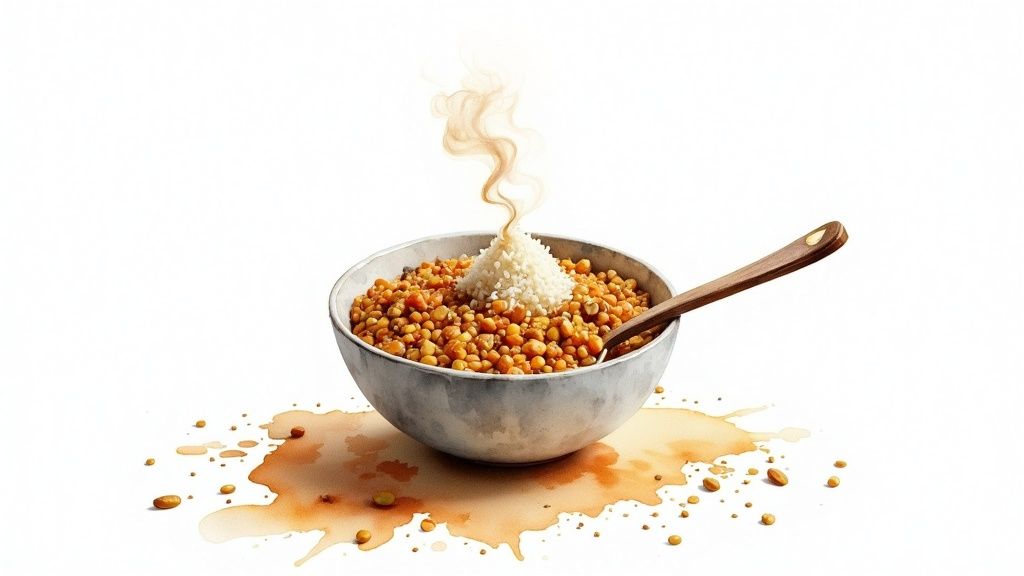
Lentils, or daal, are the undisputed foundation of Indian vegetarian diets and a cornerstone of traditional cuisine. This versatile legume is one of the most affordable and accessible vegetarian protein sources in Indian cooking. Available in a rainbow of colours like red (masoor), yellow (moong), and black (urad), they offer a substantial protein boost to any meal.
A single cooked cup delivers a remarkable 18g of protein, making daal an essential daily staple. This high protein content, combined with fibre and essential minerals, provides sustained energy, making it a perfect meal for busy professionals and students alike.
How to Use Lentils
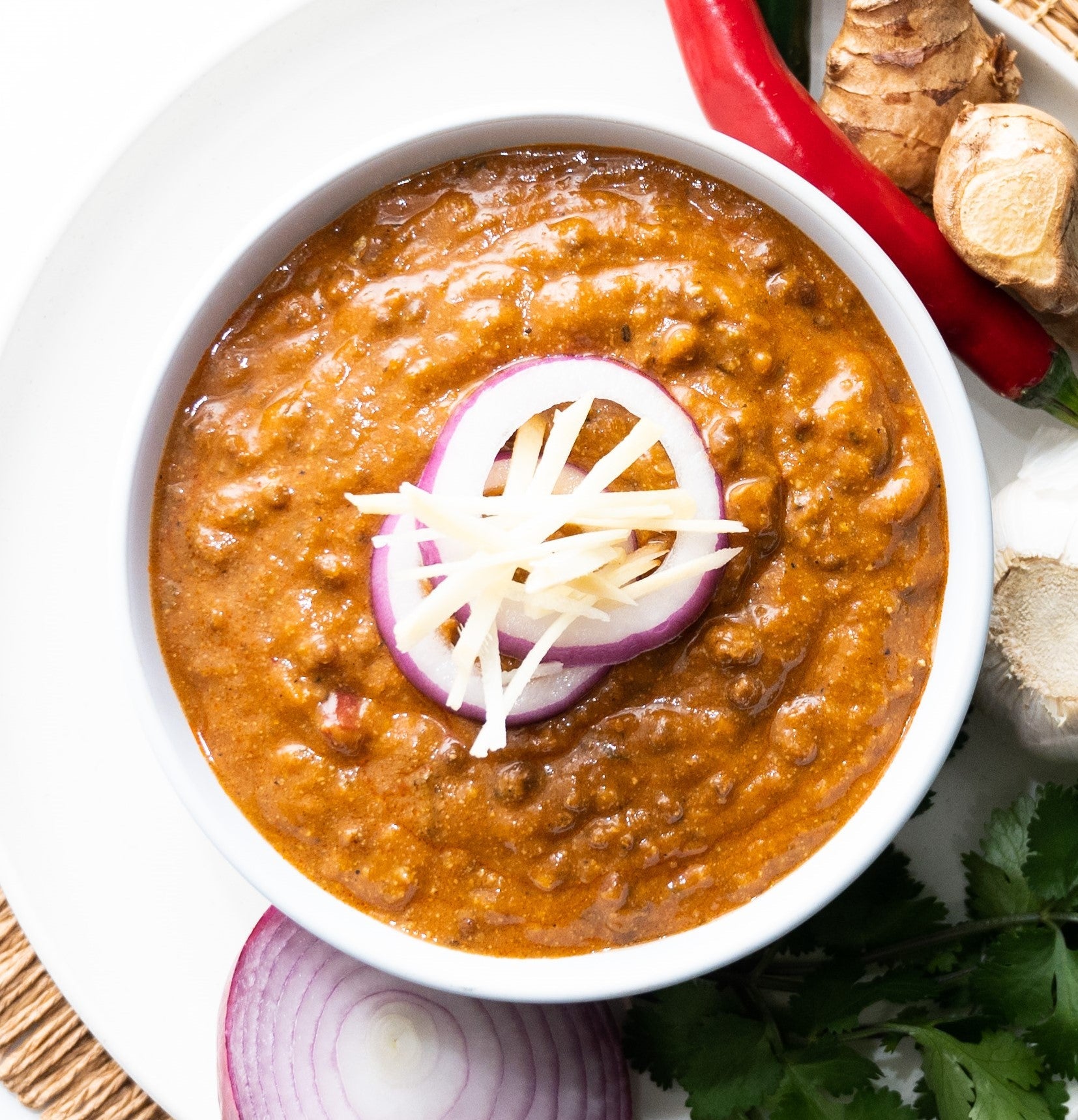
From comforting porridges to rich, flavourful curries, lentils can be prepared in countless ways. Popular dishes include the creamy Daal Makhani, the tangy South Indian Sambar, and the simple, nourishing Tadka Daal. For an in-depth look at a specific variety, explore the benefits and uses of Urad Daal on our blog.
Actionable Tips for Maximum Benefit
- Soak to Save Time: Soaking lentils for 30-60 minutes before cooking reduces cooking time and improves digestibility by breaking down complex sugars.
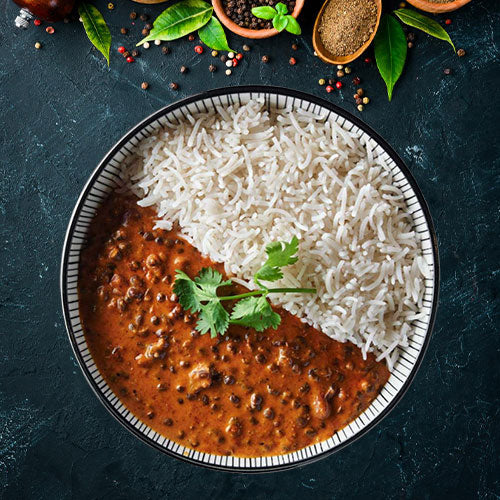
- Create a Complete Protein: Pair your daal with rice or roti (wholewheat flatbread). This classic combination ensures you receive all nine essential amino acids, forming a complete protein.
- Boost with a 'Tarka': Finish your daal with a tarka (tempering) of hot ghee or oil infused with spices like cumin, ginger, and asafoetida (hing) to enhance flavour and aid digestion.
2. Chickpeas (Chana): The Versatile Protein King
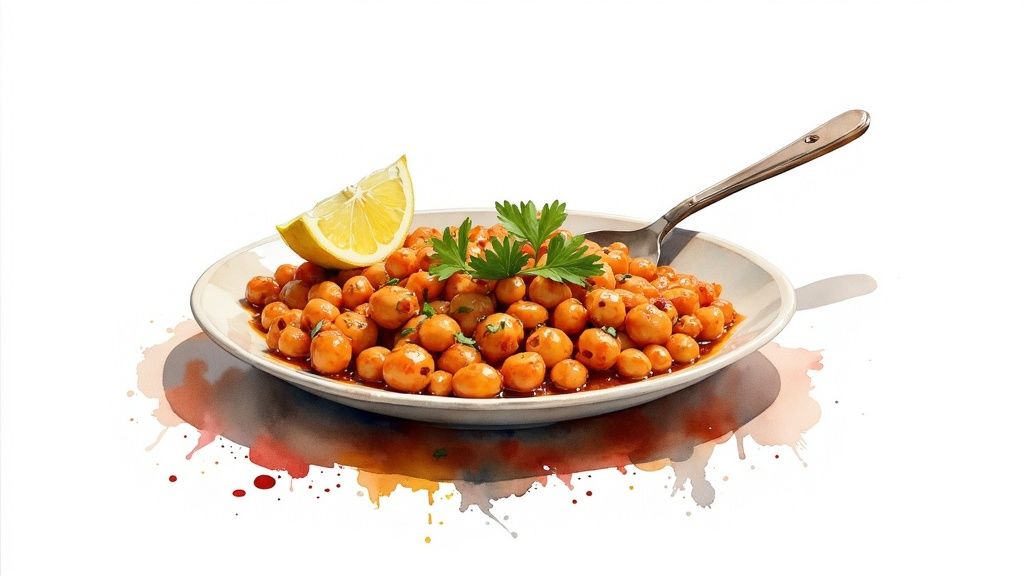
A star in North Indian cuisine and a beloved street food staple, chickpeas, or chana, are a powerhouse of plant-based nutrition. These hearty legumes come in two main varieties: the larger, lighter-coloured kabuli chana and the smaller, darker kala chana. They are celebrated not only for their satisfying, nutty flavour but also for their robust protein content.
A single cooked cup of chickpeas provides around 15g of protein, along with significant dietary fibre and complex carbohydrates. This nutritional profile makes them an excellent vegetarian protein source in Indian diets, promoting satiety and supporting muscle health, ideal for both students and active professionals.
How to Use Chickpeas
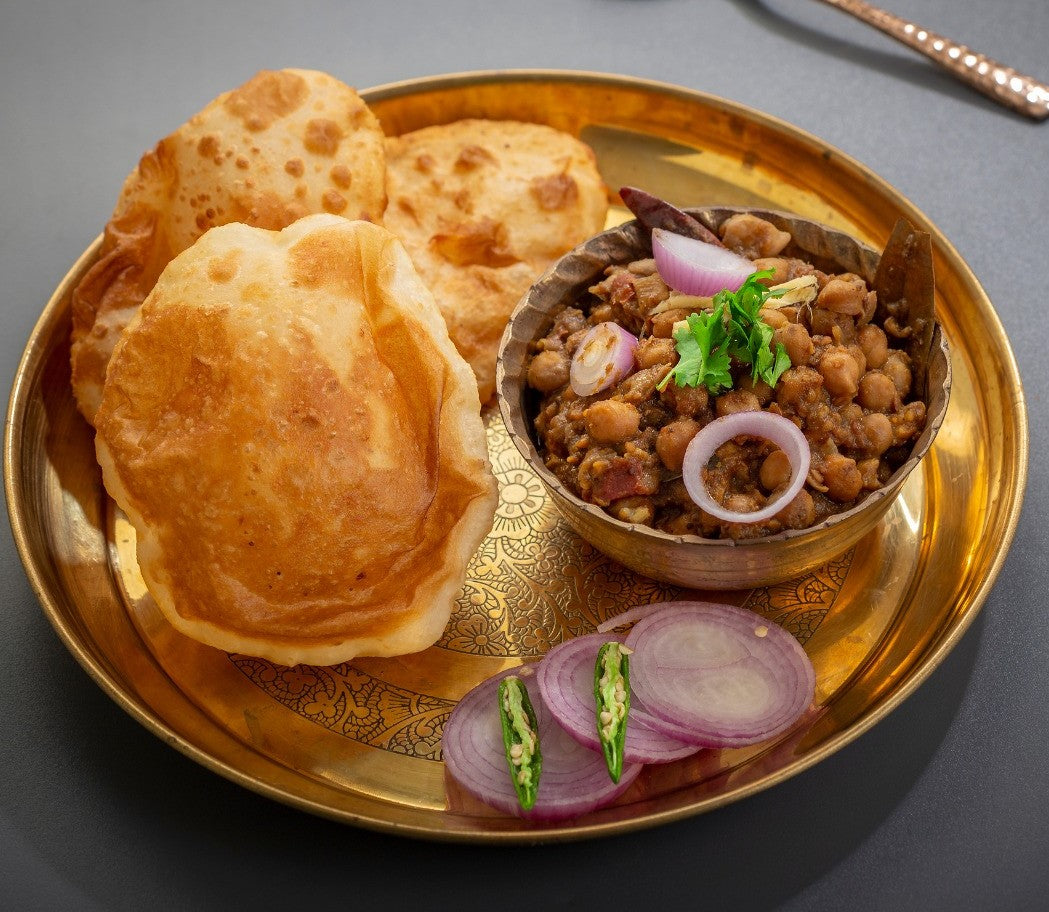
Chickpeas are incredibly versatile. They are the hero ingredient in the iconic Chana Masala curry and the indulgent street food classic, Chole Bhature. They can be ground into flour (besan) to make savoury pancakes (cheela), roasted with spices for a crunchy snack, or blended into a creamy dip. For a convenient and authentic taste, you can try our ready-to-eat Punjabi Chole with Basmati Rice.
Actionable Tips for Maximum Benefit
- Soak and Rinse: Soak dried chickpeas overnight and discard the water before cooking. This simple step helps reduce gas-causing compounds and makes them easier to digest.
- Pressure Cook for Tenderness: For a perfectly soft and creamy texture ideal for curries, pressure cook your soaked chickpeas for 45-60 minutes.
- Create a High-Protein Snack: Toss cooked chickpeas with your favourite spices and a little oil, then roast or air-fry them until crispy for a healthy, protein-packed snack.
- Utilise Chickpea Flour: Keep chickpea flour (besan) in your pantry as a high-protein, gluten-free alternative for making pancakes, flatbreads, or thickening sauces.
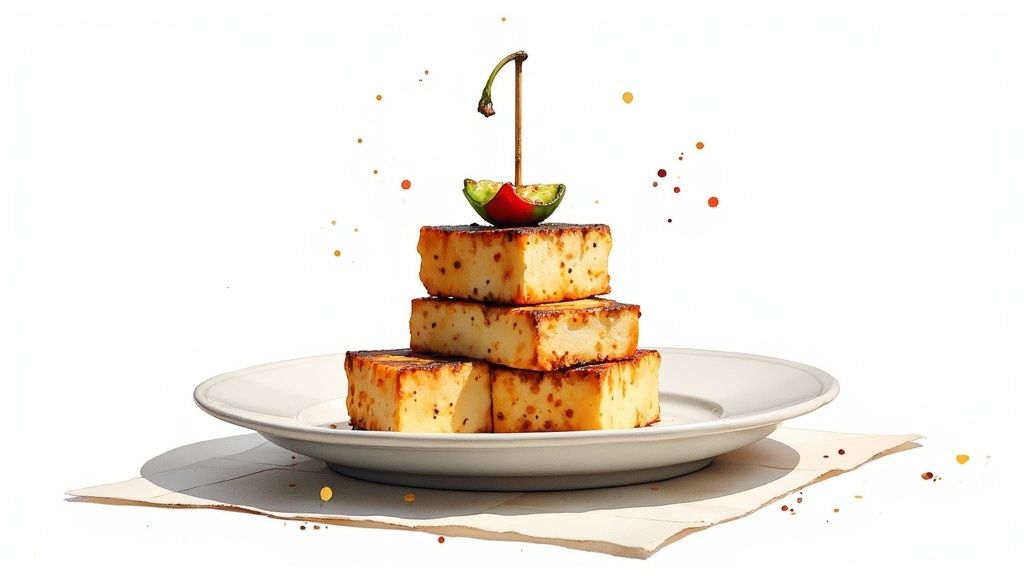
3. Paneer (Indian Cottage Cheese): The Versatile Protein Block
Paneer is a fresh, non-melting cheese integral to North Indian cuisine and one of the most beloved vegetarian protein sources in Indian cooking. Made by curdling milk with a food acid like lemon juice, it offers a firm, satisfying texture and a mild, milky flavour that beautifully absorbs spices and sauces, making it incredibly versatile.
A 100g serving of paneer packs a mighty 28g of protein, placing it among the top-tier protein options for vegetarians. This makes it an excellent choice for building muscle, staying full longer, and meeting daily protein requirements, particularly for those with active lifestyles or fitness goals.
How to Use Paneer
Paneer's firm structure allows it to be grilled, fried, or simmered in curries without falling apart. Popular dishes include the smoky Paneer Tikka, the creamy Palak Paneer (spinach curry), and the rich Paneer Butter Masala. For a quick and nutritious meal, a scramble like our Paneer Bhurji is a perfect, high-protein option.
Actionable Tips for Maximum Benefit
- Marinate for Flavour: To infuse paneer with deep flavour, marinate cubes in a mix of yoghurt and spices for at least 30 minutes before grilling or cooking.
- Press for Firmness: For recipes that require grilling or frying, press the paneer block under a heavy weight for an hour to remove excess water. This prevents it from becoming soggy and helps it brown nicely.
- Soak for Softness: To ensure your paneer stays soft in curries, soak the cubes in warm, salted water for 15-20 minutes before adding them to your gravy.
4. Tofu: The Versatile Plant-Based Adaptor
While not traditionally Indian, tofu has become a popular modern addition to vegetarian cuisine across the country, especially among health-conscious individuals and vegans. Made from soybeans, this versatile ingredient is a fantastic canvas for absorbing the bold, aromatic flavours of Indian spices, making it an excellent high-protein, dairy-free alternative to paneer.
A standard 100g serving of firm tofu provides a substantial 15-20g of protein. Its ability to mimic the texture of paneer while being entirely plant-based makes it a brilliant choice for those seeking diverse vegetarian protein sources in Indian cooking.
How to Use Tofu
Tofu’s neutral flavour allows it to be seamlessly integrated into many classic Indian dishes. It shines in recipes like creamy Tofu Tikka Masala, a hearty Spiced Tofu Curry, or a satisfying Tofu Bhurji, which is a flavourful scramble similar to its egg-based counterpart. For a crispy snack, Tofu Pakoras are a delicious option.
Actionable Tips for Maximum Benefit
- Press Before Cooking: Always press firm or extra-firm tofu for at least 30 minutes to remove excess water. This creates a denser texture and helps it absorb marinades and brown beautifully.
- Marinate for Flavour: To infuse tofu with authentic Indian taste, marinate cubes in a paste of ginger, garlic, turmeric, and other spices for at least an hour, or preferably overnight.
- Fry or Bake First: For curries and stir-fries, lightly pan-frying or baking the tofu cubes before adding them to the sauce prevents them from becoming mushy and adds a pleasant, chewy texture.
5. Peas (Matar): The Versatile Green Gems
Often considered a simple vegetable, green peas, or matar, are actually legumes and serve as a surprisingly effective vegetarian protein source in Indian cooking. These vibrant green jewels are a staple in home kitchens across India, adding a touch of sweetness, a pop of colour, and a significant nutritional boost to a vast array of dishes. They are incredibly versatile, available fresh, frozen, or dried.
A single cooked cup of peas provides a solid 8g of protein, along with a healthy dose of fibre, vitamins, and minerals. This makes them an easy and affordable way to enhance the protein content of everyday meals, contributing to muscle repair and overall wellness without complicating the cooking process.
How to Use Peas
From rich gravies to simple rice dishes, matar is a key ingredient in many beloved Indian recipes. It shines in dishes like the classic Matar Paneer, a creamy tomato-based curry with cottage cheese, the hearty Aloo Matar (potatoes and peas), and the fragrant Matar Pulao (rice pilaf with peas). They are also a common addition to mixed vegetable curries and fillings for dosas.
Actionable Tips for Maximum Benefit
- Embrace Frozen Peas: Keep a bag of frozen peas in your freezer for a convenient and quick protein addition. They retain most of their nutritional value and can be added directly to dishes.
- Preserve Texture: Add peas towards the end of the cooking process to maintain their firm texture, bright colour, and delicate flavour.
- Combine for Complete Protein: Pair matar with paneer (in Matar Paneer) or add them to a tofu scramble to create a meal that contains all essential amino acids.
- Enhance with Spices: Cook peas with warming, digestive spices like ginger and turmeric. This not only elevates the flavour but also aids in digestion.
6. Sprouts (Ankurit Beej): The Living Protein Boost
Sprouts, or ankurit beej, are germinated seeds that unlock a powerhouse of nutrition, making them a vibrant and easily digestible vegetarian protein source in Indian diets. The sprouting process dramatically increases the bioavailability of nutrients, turning simple legumes like moong and chana into nutritional goldmines.
A single cup of moong bean sprouts can provide around 7-9g of highly digestible protein. This process not only boosts protein content by up to 30% but also enhances vitamin C, B vitamins, and enzyme levels, making nutrients easier for the body to absorb. This makes sprouts an excellent, low-calorie choice for health-conscious eaters and students needing a quick energy lift.
How to Use Sprouts
Sprouts are incredibly versatile and can be enjoyed raw or lightly cooked. They add a refreshing crunch to salads like the popular Moong Sprout Salad with lime and spices, or can be mixed into a Sprout Bhel for a healthy street-food experience. For a warmer meal, try a savoury Sprout Upma or a quick sprout and vegetable stir-fry.
Actionable Tips for Maximum Benefit
- Sprout at Home: Place soaked legumes in a glass jar covered with cheesecloth. Rinse 2-3 times daily for 3-5 days, keeping the jar in a warm, dark place until sprouts appear.
- Store Safely: Once sprouted, store them in an airtight container in the refrigerator and consume within three days for maximum freshness and safety.
- Lightly Cook for Safety: If you have digestive sensitivities or are concerned about bacteria, lightly steam or sauté sprouts for a minute before eating. This preserves most nutrients while ensuring they are safe to eat.
7. Nuts and Seeds (Dry Fruits): The Crunchy Protein Boost
Nuts and seeds, often referred to as dry fruits in India, are concentrated sources of energy and vital nutrients. These crunchy delights, including almonds, cashews, peanuts, and pumpkin seeds, are celebrated not just for their rich flavour but also as powerful vegetarian protein sources in Indian cuisine. They are seamlessly integrated into both savoury and sweet dishes.
A small serving (one ounce, or about 28 grams) can pack a significant punch, offering between 5g and 9g of protein. This makes them an excellent snack for sustained energy or a valuable addition to meals, providing healthy fats, fibre, and a complete micronutrient profile that supports overall well-being.
How to Use Nuts and Seeds
From adding creaminess to curries to being the star of festival sweets, the versatility of nuts and seeds is immense. Popular uses include creamy cashew paste as a base for rich gravies like Shahi Paneer, peanut chutney served with dosa and idli, and almond slivers garnishing a traditional kheer. They are also essential in making energy-rich snacks like chikki and laddu.
Actionable Tips for Maximum Benefit
- Soak for Better Digestion: Soaking nuts like almonds overnight helps to break down enzyme inhibitors, making them easier to digest and improving nutrient absorption.
- Toast to Enhance Flavour: Lightly toasting seeds such as sunflower or pumpkin seeds before adding them to dishes deepens their nutty flavour and adds a delightful crunch.
- Control Your Portions: While incredibly nutritious, nuts and seeds are calorie-dense. A small handful (about one ounce) daily is an ideal portion to reap their benefits without overdoing it.
8. Yogurt (Dahi): The Creamy Probiotic Protein
Yogurt, or Dahi, is a fermented dairy powerhouse and an indispensable part of Indian meals, cherished for its cooling properties and digestive benefits. This versatile ingredient is not just a flavour enhancer but also a significant vegetarian protein source in Indian diets, offering a creamy texture and a subtle tang to countless dishes.
A standard cup of plain yogurt provides around 10g of protein, along with a healthy dose of calcium and beneficial probiotics. These live cultures support gut health, making dahi a functional food that nourishes from within. While yoghurt is a fantastic natural probiotic source, you can find a complete guide to various natural probiotic food sources for optimal health.
How to Use Yogurt
Dahi's applications are incredibly diverse, spanning both savoury and sweet culinary creations. It's the cooling base for Raita (a side dish with cucumber or mint), a tenderising agent in Tandoori marinades, and the star of the refreshing drink Lassi. It also features in simple, comforting meals like Dahi Rice and decadent desserts like the sweet, strained Shrikhand.
Actionable Tips for Maximum Benefit
- Make it Thick: For a richer, more protein-dense yogurt, strain plain dahi through a cheesecloth for a few hours. This removes the whey and results in a thick, Greek-style yogurt perfect for dips and desserts.
- Culture Your Own: Making dahi at home is simple. Just warm milk to a lukewarm temperature, stir in a spoonful of a previous batch as a starter culture, and let it set in a warm place for 6-8 hours.
- Sweeten Naturally: When preparing sweet lassi or shrikhand, opt for natural sweeteners like jaggery (gur) or honey instead of refined sugar for a healthier, more traditional flavour.
9. Tempeh: The Fermented Soy Sensation
While not traditionally Indian, tempeh is quickly becoming a favourite among health-conscious food lovers and vegan communities. This fermented soy product, originating from Indonesia, offers a firm, chewy texture and a nutty flavour that absorbs marinades beautifully, making it an excellent addition to the landscape of vegetarian protein sources in Indian cuisine.
A 100g serving packs a powerful 19g of protein, rivaling many traditional sources. Its fermentation process also makes it easier to digest than other soy products and provides beneficial prebiotics, supporting gut health. This makes it a fantastic choice for those seeking high-protein, plant-based meals that are both nourishing and satisfying.
How to Use Tempeh
Tempeh's robust texture holds up well to intense cooking methods, making it incredibly versatile. It can be cubed for curries, sliced for stir-fries, or crumbled as a mince substitute. Popular modern Indian dishes include flavourful Tempeh Tikka, spicy Tempeh Bhurji (a scramble with onions and spices), and even crispy Tempeh Pakoras.
Actionable Tips for Maximum Benefit
- Steam First: Briefly steam tempeh for about 10 minutes before marinating. This softens it and removes any slight bitterness, allowing it to soak up flavours more effectively.
- Marinate Generously: To infuse it with classic Indian taste, marinate cubes or slices in a mix of yoghurt (or plant-based alternative), ginger-garlic paste, and tandoori spices before grilling or baking.
- Slice for Success: For stir-fries or pan-frying, cut the tempeh into thin slices. This increases the surface area, ensuring it gets wonderfully crisp and absorbs maximum flavour from your sauces and spices.
10. Quinoa: The Modern Super-Grain
While not traditionally Indian, quinoa has been enthusiastically adopted into modern Indian vegetarian cuisine for its outstanding nutritional profile. This pseudo-grain is a rare plant-based complete protein, meaning it contains all nine essential amino acids necessary for muscle repair and growth. It's a fantastic, nutrient-dense alternative to rice for health-conscious individuals.
A single cooked cup of quinoa provides 8g of complete protein, along with a healthy dose of fibre, iron, and magnesium. This makes it an excellent choice for fitness enthusiasts and anyone looking for a lighter, gluten-free base for their meals, positioning it as a key player among contemporary vegetarian protein sources in Indian cooking.
How to Use Quinoa
Quinoa’s mild, nutty flavour makes it incredibly versatile, easily absorbing the bold spices of Indian dishes. It works wonderfully in a hearty Quinoa Pulao with vegetables and paneer, a comforting Quinoa Khichdi, or as a base for a refreshing salad with cucumber, tomato, and a lemon-coriander dressing.
Actionable Tips for Maximum Benefit
- Rinse to Remove Bitterness: Always rinse quinoa thoroughly under cold running water before cooking. This removes its natural coating, called saponin, which can taste bitter or soapy.
- Perfect Your Cooking Ratio: Use a strict 1:2 ratio of quinoa to water or vegetable broth for a fluffy, perfectly cooked texture every time. Bring to a boil, then simmer covered for 15 minutes.
- Transition with a Mix: If you're new to the taste, start by mixing cooked quinoa with an equal part of rice. This helps you gradually adapt to its unique texture and flavour.
Comparison of 10 Indian Vegetarian Protein Sources
| Item | Preparation 🔄 | Resources & Time ⚡ | Nutritional Outcome 📊⭐ | Ideal Use Cases 💡 | Key Advantages ⭐ |
|---|---|---|---|---|---|
| Lentils (Daal) | Low–Medium (soak sometimes; quick for red) | Low cost, low equipment; fast cook (esp. red) | ~18g protein/cup cooked; high fiber, iron; complements rice for complete AA | Daily dal, khichdi, soups | Affordable, versatile, long shelf life |
| Chickpeas (Chana) | Medium–High (overnight soak, long cook/pressure) | Moderate cost; longer cook time or canned convenience | ~15g protein/cup; high fiber & satiety; nutrient-dense 📊 | Chole, salads, besan-based dishes, snacks | Very filling, versatile (whole/flour) |
| Paneer (Cottage Cheese) | Low (curdle milk; or ready-to-use) | Higher cost; requires milk/dairy and refrigeration | 28g protein/100g; complete protein, high calcium ⭐⭐⭐ | Curries (palak, butter masala), grilling, muscle-building dishes | Extremely protein-dense, versatile texture |
| Tofu | Low–Medium (pressing recommended) | Moderate availability/cost; best if pressed & marinated | 15–20g protein/100g; complete protein; low saturated fat ⭐⭐ | Vegan curries, tikkas, scrambles, stir-fries | Dairy-free complete protein; absorbs flavors well |
| Peas (Matar) | Low (add late to retain texture) | Very low cost; quick cook; frozen available year-round | ~8g protein/cup; good fiber & vitamins but lower protein alone | Matar paneer, pulao, mixed veg dishes | Quick, affordable, sweet flavor; convenient frozen option |
| Sprouts (Ankurit Beej) | Low-tech but attentive (rinse 2–3×/day) | Very low cost; 3–5 days to sprout; perishable | Up to 2–3× increase in bioavailable nutrients; better mineral absorption ⭐⭐ | Salads, bhel, light breakfasts, child/elder nutrition | Maximal nutrient density; reduces anti-nutrients |
| Nuts & Seeds (Dry Fruits) | Minimal (soak/toast optional) | Higher cost per serving; long shelf life; no cooking | 5–26g protein/oz (varies); high healthy fats & minerals 📊 | Snacks, nut butters, garnishes, sweets | Extremely nutrient-dense, portable, micronutrient-rich |
| Yogurt (Dahi) | Low (fermentation/simple to make) | Low cost; requires refrigeration; quick to set at home | ~10g protein/cup; probiotics, calcium; aids digestion ⭐ | Marinades, raita, lassi, cooling side dishes | Supports gut health, versatile in sweet/savory uses |
| Tempeh | Low–Medium (buy ready; home ferments require care) | Limited availability in some markets; moderate cost; refrigerate | ~19g protein/100g; fermented soy with probiotics; firm texture ⭐⭐ | Vegan mains, tikkas, stir-fries, grilled dishes | Higher protein & digestibility vs tofu; satisfying texture |
| Quinoa | Low (rinse to remove saponin; cook ~15–20 min) | Higher cost; quick cook; easy pantry storage | ~8g protein/cup cooked; complete amino acid profile; gluten-free ⭐ | Rice substitute, khichdi, salads, pulao | Complete protein grain; quick and gluten-free |
Bringing It All Together: Your High-Protein Indian Meal Plan
Navigating the world of vegetarian nutrition can seem complex, but as we've explored, the Indian pantry is a powerhouse of plant-based protein. From the humble yet mighty lentil to the versatile paneer and the nutrient-dense quinoa, you have an incredible array of ingredients at your fingertips. The journey to a high-protein vegetarian lifestyle isn't about restriction; it's about smart, flavourful integration.
The key takeaway is a simple but powerful principle: diversity and combination. Relying on just one or two sources limits your nutritional profile. Instead, by embracing the full spectrum of Indian vegetarian protein sources, you create meals that are not only delicious but also complete. Remember the concept of complementary proteins - pairing legumes like daal or chana with whole grains like rice or roti ensures you receive all nine essential amino acids your body needs to thrive.
Actionable Strategies for Your Week
To truly put this knowledge into practice, focus on building sustainable habits that fit your lifestyle, whether you're a busy professional in Sydney or a university student in Melbourne.
- Meal Prep with Purpose: Dedicate a few hours on a Sunday to prepare foundational proteins. Cook a large batch of Punjabi Chole, a versatile Daal Tadka, or even pre-boil some quinoa. These can be the centrepiece of various meals throughout the week, saving you precious time.
- Snack Smarter: Ditch processed snacks for protein-rich alternatives. A small bowl of yogurt (dahi), a handful of roasted almonds and seeds, or a small portion of sprouted moong daal chaat can curb hunger and boost your protein intake between meals.
- Enhance Every Meal: Think of protein as a non-negotiable addition to every plate. Adding a spoonful of pumpkin seeds to your breakfast porridge, crumbling paneer into your vegetable sabzi, or blending silken tofu into a curry base are simple ways to elevate the protein content of dishes you already enjoy.
Mastering these approaches transforms how you view your diet. It moves from being a daily challenge to an exciting culinary adventure. The benefits extend far beyond muscle repair and satiety; a well-planned, high-protein vegetarian diet supports sustained energy levels, better metabolic health, and overall vitality. It empowers you to fuel your body with wholesome, preservative-free food that celebrates the rich heritage of Indian cuisine. The abundance of vegetarian protein sources in Indian cooking makes it one of the most accessible and enjoyable ways to meet your health and fitness goals without ever compromising on flavour.
Ready to enjoy delicious, high-protein Indian meals without the hassle of cooking? Explore the curated vegetarian menu at Jewel of Asia, where we expertly craft dishes like Paneer Bhurji and Daal Makhani to support your healthy lifestyle. Let us handle the meal prep, so you can savour authentic, nourishing food delivered right to your door.
Share