




A Beginner's Guide to Whole Food Plant Based Meals
At its heart, a whole food plant-based (WFPB) approach is all about eating foods as close to their natural state as possible. Think vibrant fruits and veggies, hearty whole grains, and protein-packed legumes taking centre stage on your plate.
It’s less about a strict set of rules and more about a simple shift in focus: nourishing your body with real, nutrient-dense ingredients while consciously minimising highly processed items, refined sugars, and oils.
So, What Exactly Is Whole Food Plant-Based Eating?
Let's clear up some of the confusion straight away. Imagine you’re looking at two different plant-based meals: a highly processed vegan sausage roll and a big, hearty lentil shepherd's pie topped with sweet potato mash.
The sausage roll is a bit like a blurry photo of its ingredients—you know there are plants in there somewhere, but their original form is completely unrecognisable. The shepherd's pie, on the other hand, is the high-definition version. The lentils are still lentils, the veggies are still veggies, and you can see exactly what you’re eating.
That’s the core of what WFPB is all about. It’s not just about cutting out animal products; it’s about celebrating whole foods in their most recognisable and nourishing form. The mindset shifts from what you can't have to the incredible abundance of delicious, satisfying foods you can.
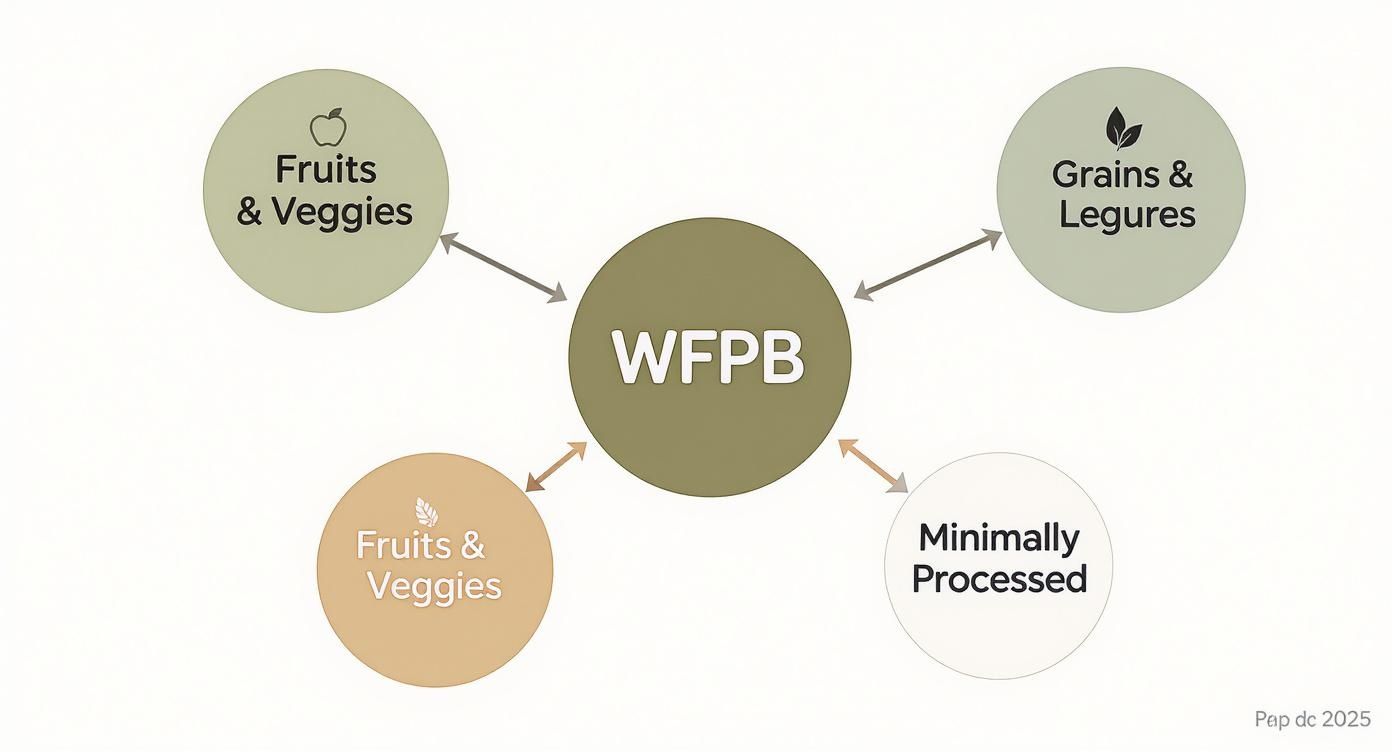
Key Differences: WFPB vs. Vegan vs. Standard Australian Diet
The terms 'plant-based' and 'vegan' are often used interchangeably, but there are key differences, especially when you bring WFPB into the mix. This table breaks down what sets each approach apart.
| Dietary Approach | What You Eat | What You Avoid or Minimise |
|---|---|---|
| Whole Food Plant-Based (WFPB) | Fruits, vegetables, whole grains, and legumes in their most natural, unprocessed form. | All animal products, refined sugars (like white sugar), refined grains (like white flour), and added oils. |
| Vegan | Any food that does not come from an animal. | All animal products, including meat, dairy, eggs, and honey. Processed foods, oils, and refined sugars are often still included. |
| Standard Australian Diet | A mix of animal products, processed foods, refined grains, fruits, and vegetables. | Generally no food groups are completely excluded, though public health guidelines recommend limiting certain items. |
As you can see, WFPB is a specific type of vegan diet that prioritises health by focusing on whole ingredients. You can be vegan and eat a diet high in processed foods, but the WFPB philosophy guides you towards more nutrient-dense choices.
The Core Principles of WFPB
A WFPB lifestyle is built on a few simple, powerful ideas. It's about choosing foods that nourish and restore your body.
Here are the main pillars:
- Embrace Whole Foods: The bulk of your plate should be loaded with fruits, vegetables, tubers (like potatoes and sweet potatoes), whole grains, and legumes.
- Minimise Processed Foods: This means cutting back on foods that have been significantly changed from their natural state. To really get it, it helps to understand what are ultra-processed foods and why they don’t fit into this way of eating.
- Ditch Refined Ingredients: Steer clear of things like white sugar, high-fructose corn syrup, and refined grains like white flour.
- Limit Added Oils: Instead of extracted oils (like olive or coconut oil), WFPB encourages getting healthy fats from whole food sources like avocados, nuts, and seeds.
This isn't some restrictive fad; it’s really just a return to eating real food. And it's a way of eating that's gaining serious traction right across Australia.
In fact, a staggering 2.5 million Australians—that’s 12.1% of the adult population—now follow diets that are all or mostly plant-based. This isn't a niche trend anymore; it's a major cultural shift driven by a growing awareness of health, environmental, and ethical concerns.
The Health Benefits of Eating Plant Based
Switching to whole food plant-based meals is more than just a diet change; it’s a direct investment in your long-term wellbeing. Think of it like swapping out low-grade fuel for a premium, high-performance energy source for your body. The result? Every system just runs better.
This shift completely overhauls your nutritional intake. By focusing on foods as close to their natural state as possible, you’re giving your body an incredible dose of fibre, vitamins, minerals, and antioxidants. These are the compounds that work like an internal clean-up crew, protecting your cells from everyday damage.
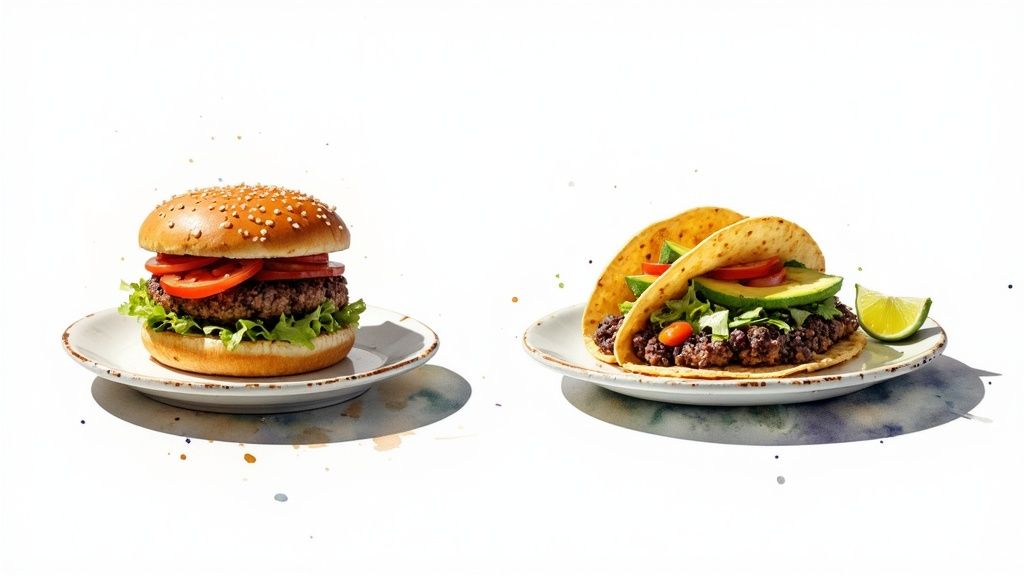
Promoting Heart Health and Longevity
One of the standout benefits of eating this way is the profound effect it has on heart health. Whole grains, legumes, fruits, and vegetables are naturally low in saturated fat and have zero cholesterol. It’s a simple, winning formula.
The secret weapon here is soluble fibre, which acts a bit like a sponge, helping to soak up and lower LDL (the "bad") cholesterol. This simple mechanism is a game-changer for preventing heart disease, as it supports healthier blood pressure and keeps your circulation flowing smoothly.
A diet rich in plant foods is consistently linked to a lower risk of chronic diseases. By replacing processed items with whole foods, you are actively building a foundation for a healthier, more vibrant future.
Let's be honest, this is a world away from how many of us typically eat. Research shows the standard Australian diet gets around 42% of its energy from ultra-processed foods loaded with unhealthy fats and sugars. In stark contrast, studies confirm that people who eat plant-based diets are not only better at managing their weight but also slash their risks for major cardiovascular diseases. You can dig deeper into these plant-rich diet findings to see the evidence for yourself.
Managing Weight and Blood Sugar
For a lot of people, finding a sustainable way to manage weight is the ultimate goal, and this is where a WFPB approach really excels. Plant foods are packed with nutrients but are less dense in calories, which means you can enjoy satisfying, generous meals without overdoing it.
The high fibre content is also key. It keeps you feeling full and satisfied, which naturally helps prevent overeating. It also slows down sugar absorption, stabilising your blood sugar levels and making this way of eating a powerful tool for managing and even preventing type 2 diabetes.
If you’re keen to explore specific superfoods, you could even look into unique additions like moringa. This Moringa NZ Growing And Health Guide is a great resource for understanding how to incorporate powerful plants into your diet.
How to Stock Your WFPB Pantry
The secret to sticking with whole food, plant-based eating doesn't start at the stove; it starts in your pantry. Think of a well-stocked pantry as your personal toolkit, filled with everything you need to whip up a delicious, nourishing meal at a moment's notice. It’s all about making the healthy choice the easy choice.
The best part? You won't need to hunt down specialty items. Most of these staples are waiting for you at your local Aussie supermarket, making it simple to swap out processed foods for whole, versatile ingredients.
The Foundation: Grains and Legumes
Consider whole grains and legumes the trusty building blocks for almost any WFPB meal. They’re what give you that satisfying, full feeling, providing a slow release of energy, plenty of fibre, and a solid dose of plant-based protein.
With a good supply of these, you're always just a few minutes away from the base of a hearty curry, a vibrant salad, or a comforting soup.
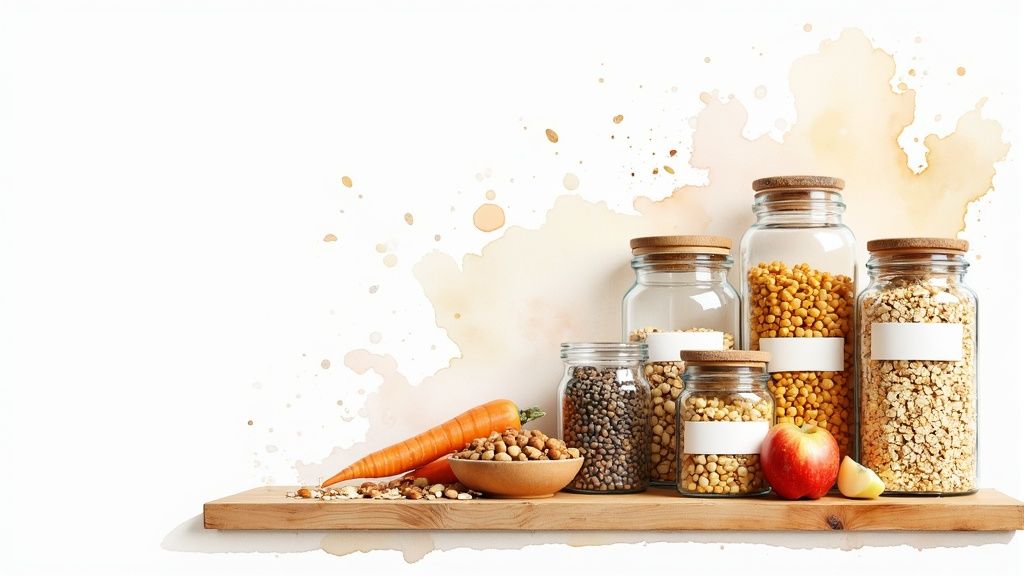
- Whole Grains: Start with the basics like brown rice, rolled oats, quinoa, and wholewheat pasta. They’re incredibly versatile and can form the backbone of your breakfasts, lunches, and dinners.
- Legumes (Pulses): Canned and dried lentils (red, green, and brown), chickpeas, and black beans are absolute must-haves. They’re cheap, packed with protein, and perfect for everything from stews to homemade veggie burgers.
Stocking up on these items is a fantastic move for your health and your wallet. For more tips on saving money, our guide on how to eat healthy on a budget has some great, practical advice.
Flavour Boosters: Nuts, Seeds, and Spices
This is where the real magic happens. If you’ve ever heard that plant-based food is bland, a well-organised spice rack will prove that myth wrong in a heartbeat. Nuts, seeds, and spices are what add the texture, healthy fats, and depth of flavour that can turn simple ingredients into something truly special.
Spices are the secret to turning basic ingredients like lentils and vegetables into an exciting culinary experience. Don't be afraid to experiment with global flavours to keep your meals interesting and delicious.
Get started by building your flavour arsenal with these essentials:
- Nuts and Seeds: Raw cashews (amazing for making creamy sauces), almonds, walnuts, chia seeds, and flaxseeds are all nutrient powerhouses.
- Spices and Herbs: You can create countless flavour profiles with smoked paprika, cumin, coriander, turmeric, dried oregano, and garlic powder.
- Pantry Sauces: A bottle of tamari (or soy sauce), apple cider vinegar, and pure maple syrup will be your go-tos for creating dressings and marinades from scratch.
Easy WFPB Recipes for Your First Week
Right, let's put all that theory into practice. This is where the magic happens, and you'll see just how simple and delicious whole food plant-based meals can be. Forget about fussy techniques or tracking down obscure ingredients. The goal here is real food, packed with flavour, that leaves you feeling incredible.
To get you started, I've pulled together a few of my favourite, no-fuss ideas for your first week. Think of these as a jumping-off point—a simple template you can tweak and experiment with as you get the hang of things. They're all quick, satisfying, and use the basic pantry staples we’ve already talked about.
Simple Breakfast Ideas
Kicking off your day with a nourishing WFPB meal really does set a positive tone. These options are ready in minutes and will keep you going right through to lunchtime.
- Sunshine Quinoa Bowl: Simply mix 1 cup of pre-cooked quinoa with ½ cup of berries, a tablespoon of chia seeds, and a dash of unsweetened plant milk. A sprinkle of cinnamon on top adds a lovely, warming flavour.
- Speedy Avocado Toast: Mash half an avocado onto a slice of good, hearty whole-grain toast. Finish it off with a squeeze of lemon juice, a pinch of red pepper flakes, and maybe some fresh herbs if you have them handy.
- Overnight Oats: This is the ultimate time-saver. Before bed, just mix ½ cup of rolled oats with ½ cup of plant milk and a tablespoon of maple syrup in a jar. In the morning, give it a stir and top with sliced banana and walnuts. Done.
Quick and Satisfying Lunches
Let's be honest, lunch needs to be fast and filling, especially on a busy day. These ideas are designed to be easy to assemble and perfect for taking with you.
- 15-Minute Lentil Wraps: Warm up a whole-grain tortilla and load it with ½ cup of pre-cooked brown lentils, a big handful of spinach, and some sliced tomato and cucumber. For a quick dressing, just mix a little tahini with water and lemon juice and drizzle it over.
- Rainbow Salad Jar: This is a game-changer for a fresh, crisp lunch that's ready to go. Layer your favourite ingredients in a large jar, starting with the dressing at the bottom (like apple cider vinegar and herbs). Then, add chickpeas, chopped capsicum, grated carrot, quinoa, and finish with leafy greens on top to keep them from getting soggy.
Hearty 30-Minute Dinners
After a long day, you want a dinner that’s comforting, delicious, and doesn't leave you with a mountain of washing up. These one-pot wonders are proof that amazing whole food plant-based meals don’t have to take hours.
The key to making healthy eating stick is aiming for progress, not perfection. If you have one meal that's less than ideal, don't let it throw you off track. Just get back to nourishing foods at your next meal.
- One-Pot Black Bean Chilli: In a large pot, sauté a diced onion and some garlic. Tip in one can of diced tomatoes, one can of black beans (rinsed), and one can of corn, along with 1-2 tablespoons of chilli powder. Let it all simmer for about 20 minutes, then serve it over brown rice or with a baked sweet potato.
- Creamy Tomato Pasta: While your wholewheat pasta is cooking, make a surprisingly rich sauce. Just blend 1 cup of raw cashews (soaked for 15 minutes in hot water) with a can of diced tomatoes, garlic, and dried oregano until it’s perfectly smooth. Toss the sauce through your cooked pasta for a truly satisfying dinner.
To give you a few more ideas for those hectic weeknights, here's a quick cheat sheet.
30-Minute WFPB Meal Ideas
| Breakfast Ideas (Under 10 Mins) | Lunch Ideas (Under 20 Mins) | Dinner Ideas (Under 30 Mins) |
|---|---|---|
| Smoothie with spinach, banana, & plant milk | Leftover black bean chilli from dinner | Quick veggie stir-fry with brown rice |
| Whole-grain toast with peanut butter & apple slices | Hummus and veggie pita pockets | Chickpea and spinach curry with coconut milk |
| Plant-based yoghurt with berries & seeds | Big green salad with a can of cannellini beans | Lentil shepherd's pie with sweet potato topping |
Hopefully, these simple meal ideas show just how easy it can be to get delicious, healthy food on the table.
This practical approach helps bridge that gap between wanting to eat better and actually doing it. In Australia, it's fascinating to see that while a huge 68% of people express a desire to eat more plant-based foods, only around 20% manage to do it consistently. Simple, accessible recipes like these make the whole idea feel less intimidating. If you're curious, you can see how campaigns are encouraging this shift and explore more data on these trends. Consider these meals your first step toward building healthy habits that last.
Meal Prepping for a Busy Lifestyle
Let’s be honest, staying on track with healthy eating usually boils down to one simple thing: being prepared. If you've got a packed schedule, the thought of cooking a WFPB meal from scratch every single night probably sounds exhausting. This is where meal prepping comes in—it’s not a chore, it's a total game-changer.
Think of it as a gift to your future self. Spend just a couple of hours on a Sunday, and you'll have a fridge stocked with ready-to-go components. It completely removes the guesswork and makes healthy choices the easiest option during a busy week. Seriously, it's the best trick in the book for making this way of eating stick.
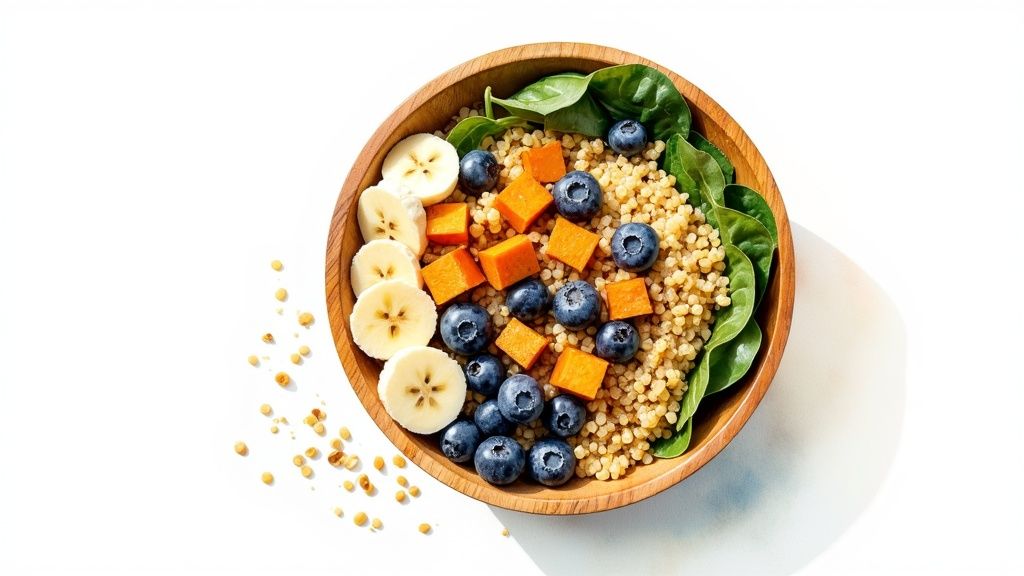
Your Sunday Reset Routine
The secret isn't to cook five elaborate, different meals. Far from it. The smart approach is to prepare versatile building blocks that you can mix and match all week. This keeps your meals interesting and, more importantly, saves you a ton of time.
Here's a simple, effective plan to get you started:
- Batch Cook Your Grains: Get a big pot of brown rice or quinoa on the go. Once it's cooked and cooled, pop it in the fridge. Boom—you've got an instant base for grain bowls, salads, and stir-fries.
- Prepare a Versatile Legume: Cook up a big batch of lentil soup or a simple bean chilli. These make for a super quick lunch on their own or a hearty part of your dinner.
- Chop Your Veggies: Wash and chop up sturdy vegetables like capsicums, carrots, and celery. Storing them in airtight containers makes them perfect for snacking or tossing into salads and wraps in a flash.
- Whip Up a Sauce: A simple tahini-lemon dressing or a nut-free pesto can turn a basic meal into something amazing. Having a delicious, ready-made sauce makes even a simple bowl of grains and veggies feel like a treat.
Smart Storage for Lasting Freshness
To make sure all your hard work pays off, you need to store your food properly. I always recommend using glass airtight containers. They keep everything fresher for longer and won't hang onto the flavours or smells of last week's chilli.
The small, consistent act of meal prepping is the real secret to long-term success. It’s not about perfection; it’s about mastering the simple habits that make healthy choices the easiest ones available to you.
When you have these components ready and waiting, that daily "what's for dinner?" panic just disappears. Instead, you can throw together satisfying whole food plant-based meals in minutes. If you need a little more inspiration, check out these brilliant vegan meal prep ideas to help streamline your week. Trust me, a little planning goes a very long way.
Finding Convenient WFPB Options on the Go
Let’s be honest, even the most dedicated meal prepper has days where life just gets in the way. A busy schedule can easily throw a spanner in the works, but that doesn't mean your commitment to healthy eating has to fall by the wayside. Staying on track with whole food plant based meals is totally doable, even when you're pressed for time and need something quick.
The trick is simply knowing what to look for and where to find it. Thankfully, Australian supermarkets are getting much better at offering ready-to-eat options. You just need to put on your detective hat for a moment and scan the labels for hidden oils, sneaky added sugars, and excess salt that can sabotage an otherwise healthy-looking meal.
Navigating Supermarket Shelves
When you’re reaching for a pre-made meal, think simple. Your best bets are usually salads, soups, and chilled meals where you can actually recognise the ingredients as whole foods.
Here's a quick mental checklist for reading labels:
- Scan the ingredients list: Can you picture everything on that list in its natural, whole form? If it's a long list filled with words you can't pronounce, it’s probably best to put it back on the shelf.
- Look for "no added oil": This is a big one. So many pre-made dressings, sauces, and meals are loaded with refined oils.
- Check the sugar content: You're looking for products with little to no added sugars. Sugars from whole fruit are fine, but refined sugars are a definite red flag.
For those weeks when you need the ultimate convenience without sacrificing quality, looking into the best vegetarian meal delivery Australia has to offer can be a real game-changer. It completely takes the guesswork out of eating well on a tight schedule.
Eating Out with Confidence
Dining out doesn’t have to be a minefield, either. Many cuisines are naturally very WFPB-friendly, or can be with a few simple requests.
Don’t let perfection become the enemy of good. Making the best choice available is always better than throwing in the towel. Grabbing a simple steamed veggie and rice dish from a local takeaway is a huge win on a hectic day.
Think about cuisines like Vietnamese or Thai. Fresh rice paper rolls stuffed with veggies and tofu are a fantastic choice, as is a Thai curry made with light coconut milk and no added oil. When you order, just politely ask for dressings on the side, a serve of extra steamed vegetables, or for your meal to be cooked without oil. You'll find most restaurants are more than happy to help.
Common Questions About WFPB Eating
Starting new eating styles brings curiosity. You might wonder if you’ll hit your protein targets or worry about the cost. Let’s clear up these questions so that a whole food, plant-based approach feels more like a creative adventure than a challenge.
Will I Get Enough Protein
Think of plant foods as a vibrant protein buffet—mixing and matching makes it easy to meet your needs.
- Legumes: Lentils, chickpeas and black beans pack a protein punch.
- Whole Grains: Quinoa and rolled oats add both texture and amino acids.
- Other Staples: Tofu, tempeh, nuts and seeds round out your daily intake.
Is This Way Of Eating Expensive
On the contrary, a WFPB approach can actually save you money. Staples such as dried beans, brown rice and in-season fruit and veg are incredibly wallet-friendly.
If you keep highly processed vegan mock meats to a minimum, your grocery bill will stay surprisingly low.
What About Vitamin B12 And Iron
Vitamin B12 doesn’t grow on plants, so a reliable supplement is wise. It’s the one nutrient you won’t find hiding in a salad.
When it comes to iron, think leafy greens and lentils. A squeeze of citrus or a handful of capsicum alongside your meal will help your body absorb it more effectively.
Ready to simplify your healthy eating journey? Let Jewel of Asia handle the cooking for you. Explore our delicious, preservative-free Indian meals, with plenty of vegan and vegetarian options delivered right to your door. Visit us at Jewel of Asia to see this week’s menu.
Share