




10 Authentic Vegan Indian Food Recipes for 2025
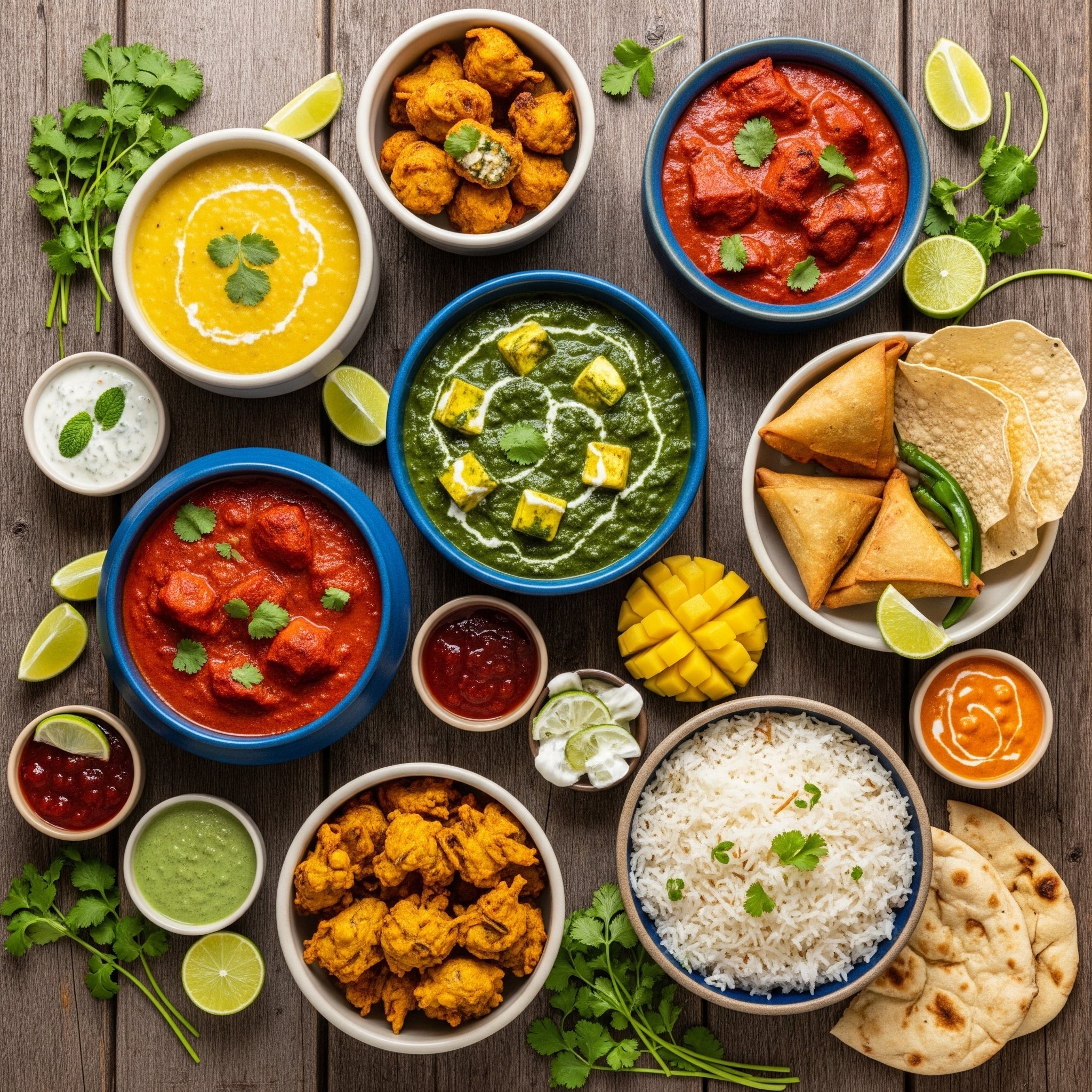
Indian cuisine, with its incredible diversity and reliance on aromatic spices, is a natural haven for plant-based eating. Many of its most iconic dishes are inherently vegan or easily adapted without losing their authentic taste and texture. This guide explores 10 spectacular vegan Indian food recipes that bring the richness of the subcontinent's culinary traditions right to your kitchen, perfect for everyone from busy professionals in Sydney to university students seeking affordable, flavourful meals.
We will dive into everything from hearty lentil curries like Dal Makhani and Rajma to fragrant vegetable-packed dishes like Aloo Gobi and Vegetable Biryani. Each recipe is designed to be approachable and practical. You will find actionable tips for quick prep times, smart pantry substitutions for common ingredients, and effective meal-prepping strategies to make your weeks easier and more delicious. This curated collection is designed to build your confidence and expand your culinary repertoire with authentic, homestyle "desi khana".
For those just starting their plant-based journey, it can be helpful to learn more about transitioning to a vegan diet to make the process smooth and sustainable. And for those evenings when you're short on time but still craving wholesome, preservative-free flavours, we'll also highlight how a convenient service like Jewel of Asia's ready-to-eat meals can be a perfect alternative. Let’s get cooking and unlock the vibrant, plant-based potential of Indian food.
1. Chana Masala
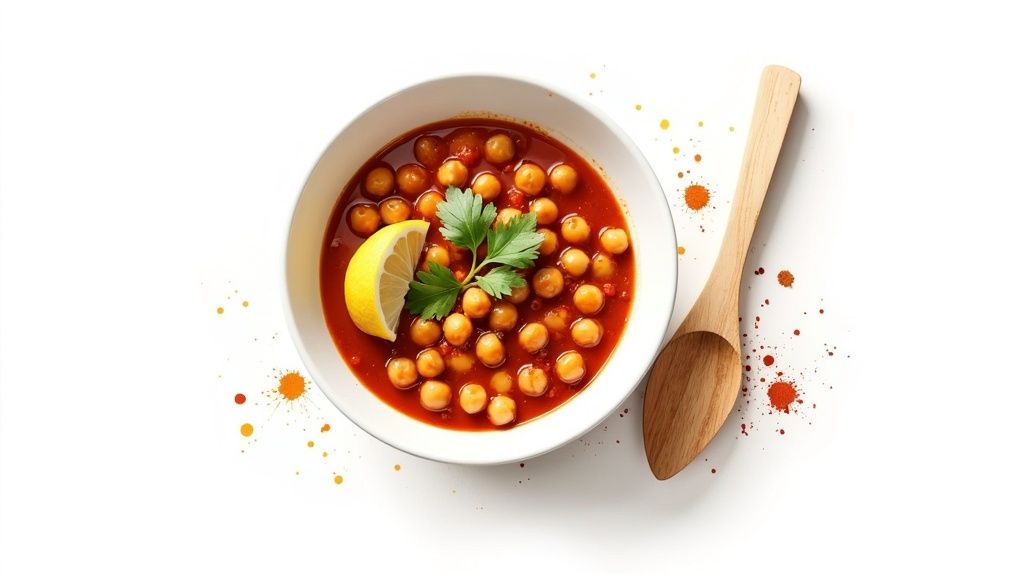
A cornerstone of North Indian cuisine, Chana Masala is a vibrant and deeply flavourful chickpea curry that has become a global favourite. This naturally vegan dish features tender chickpeas simmered in a spiced, tangy tomato-based gravy, making it a perfect entry point for anyone exploring vegan Indian food recipes. Its widespread popularity stems from its hearty texture, rich aromatic profile, and its ability to be a satisfying standalone meal.
The foundation of this dish is a bhuna masala, a base of sautéed onions, ginger, garlic, and tomatoes, which is then layered with a symphony of spices. The combination of cumin, coriander, turmeric, and the quintessential garam masala creates a complex, warming flavour that is both comforting and invigorating. It's a protein-packed meal that is as nutritious as it is delicious.
Why It's a Must-Try
Chana Masala is incredibly versatile and forgiving, making it an excellent recipe for cooks of all skill levels. It’s a common staple in Indian homes and restaurants alike, from street-side dhabas in Delhi to fine-dining establishments in Sydney and Melbourne. Food bloggers and celebrated chefs like Madhur Jaffrey have played a significant role in bringing authentic versions of this dish to kitchens worldwide, solidifying its place as a plant-based icon.
Pro Tips for the Perfect Curry
- Toast Your Spices: For a more profound and aromatic flavour, lightly toast whole spices like cumin and coriander seeds in a dry pan before grinding them.
- Embrace Kasuri Methi: Add a teaspoon of crushed kasuri methi (dried fenugreek leaves) near the end of cooking for an authentic, slightly bitter, and fragrant finish.
- Simmer for Flavour: Allow the curry to simmer for at least 20-30 minutes. This helps the chickpeas absorb the flavours of the masala and thickens the gravy beautifully.
- Finishing Touches: A squeeze of fresh lemon or lime juice and a garnish of fresh coriander at the end will brighten the entire dish.
For those busy nights when you crave homestyle comfort without the cooking time, Jewel of Asia’s ready-to-eat Chana Masala offers an authentic, preservative-free alternative that’s ready in minutes.
2. Aloo Gobi
A quintessential North Indian dry curry, Aloo Gobi is a humble yet profoundly comforting dish that perfectly marries tender potatoes (aloo) and cauliflower (gobi). This naturally vegan staple is celebrated for its simple preparation and robust, warming flavours, making it a beloved everyday meal in Indian households. It’s a peasant-style dish at its heart, showcasing how minimal ingredients can create an incredibly satisfying and wholesome meal.
The magic of Aloo Gobi lies in its cooking technique and spice blend. The vegetables are pan-fried or sautéed rather than boiled, allowing them to become beautifully caramelised and slightly crispy at the edges. Spices like turmeric give it a vibrant golden hue, while cumin adds an earthy depth. The result is a delightful texture and an aromatic profile that has made it a favourite in vegetarian restaurants and home kitchens across the globe.
Why It's a Must-Try
Aloo Gobi's simplicity is its greatest strength, offering a nourishing and flavourful option that is both easy to prepare and budget-friendly. Its status as a cornerstone of vegan Indian food recipes has been championed by culinary figures like Meera Sodha and Madhur Jaffrey, who have highlighted its authentic homestyle charm. From being packed in lunch boxes in India to gracing menus in Melbourne and Sydney, its appeal is universal.
Pro Tips for the Perfect Curry
- Uniform Pieces: Cut the potatoes and cauliflower into similar-sized, bite-sized florets and cubes to ensure they cook evenly.
- Don't Overcrowd the Pan: Cook in a single layer over medium-high heat to help the vegetables sear and crisp up rather than steam.
- Add Asafoetida (Hing): For an authentic flavour, add a pinch of asafoetida to the hot oil before the other spices. This imparts a subtle onion-garlic aroma. Learn more about the foundational spices of Indian cooking to elevate your dishes.
- Finish with Tang: A sprinkle of amchur (dried mango powder) or a squeeze of fresh lemon juice at the end adds a bright, tangy note that cuts through the richness.
When time is short but you're craving that classic homestyle taste, Jewel of Asia’s Aloo Gobi offers a delicious, preservative-free ready-to-eat meal that captures the essence of this traditional dish.
3. Dal Makhani (Vegan Adaptation)
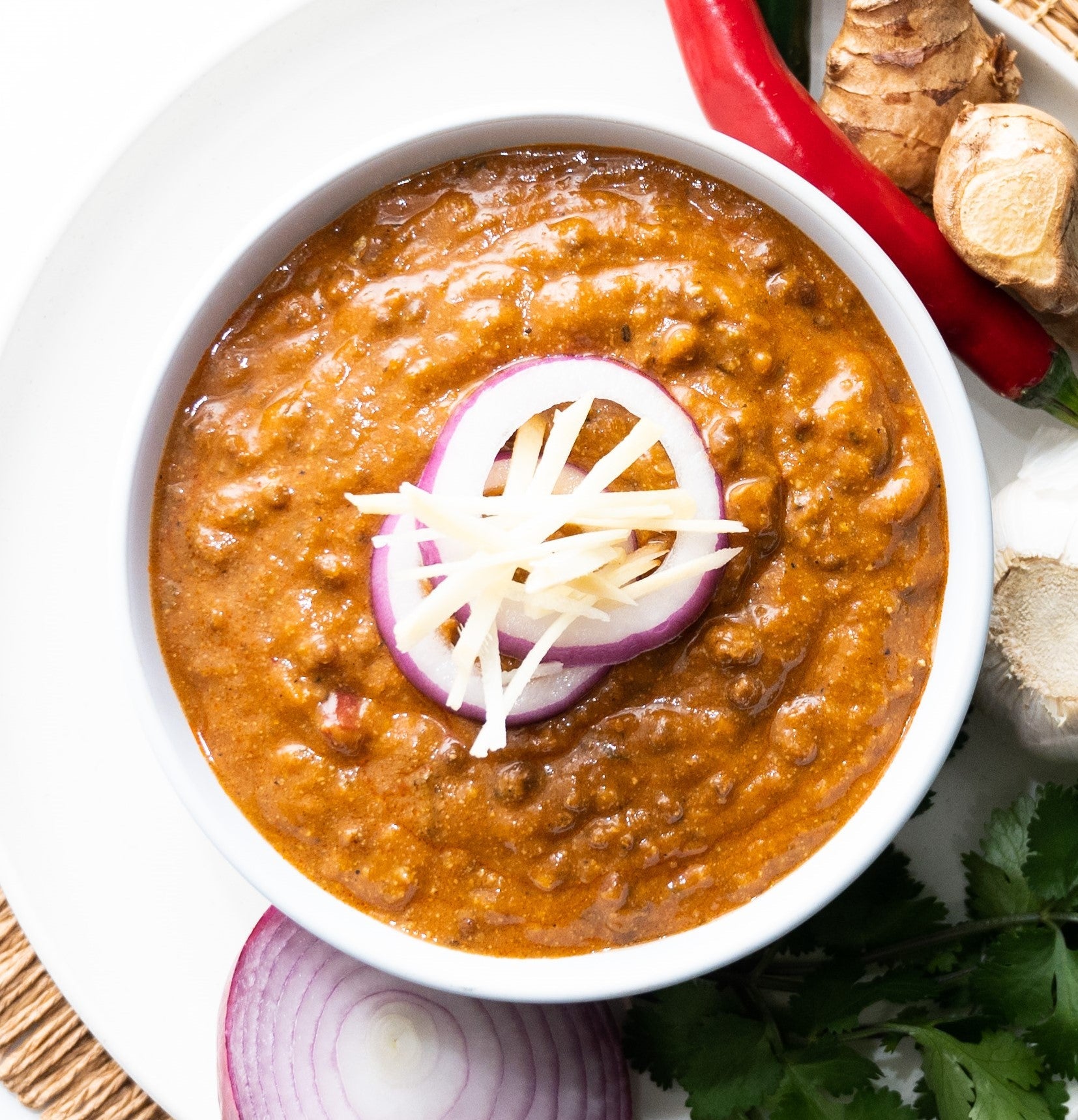
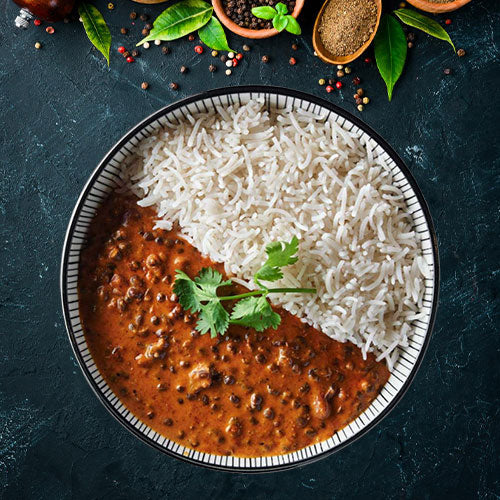
A rich and indulgent staple from Punjab, Dal Makhani is a beloved lentil curry famous for its creamy texture and deep, smoky flavours. Traditionally laden with butter and cream, this iconic dish is masterfully adapted into one of the most luxurious vegan Indian food recipes using plant-based alternatives like coconut milk or cashew cream. The dish features whole black lentils (urad dal) and red kidney beans (rajma) slow-cooked to perfection, creating a velvety, hearty curry that rivals its dairy-based counterpart.
The soul of Dal Makhani lies in its patient, slow-cooking process, which allows the lentils and beans to break down and become incredibly tender. This creamy base is then infused with a rich tomato puree, ginger, garlic, and a blend of aromatic spices. The result is a complex, comforting, and deeply satisfying dish that proves vegan food can be just as decadent and flavourful as traditional preparations.
Why It's a Must-Try
Dal Makhani is a celebration of texture and flavour, making it a showstopper dish for special occasions or a comforting meal on a cool evening. Its adaptation for a vegan diet has been championed by culinary experts and bloggers like Richa Hingle, making this restaurant-favourite accessible to home cooks. This dish is an excellent example of how traditional recipes can evolve without losing their authentic essence, offering a powerful source of plant-based protein. For more ideas on plant-based proteins, you can explore a variety of Indian vegetarian protein sources.
Pro Tips for the Perfect Curry
- Overnight Soaking is Key: For a creamier texture and faster cooking time, always soak the black lentils and kidney beans overnight for at least 8-12 hours.
- Use a Pressure Cooker: A pressure cooker significantly cuts down the cooking time, helping to soften the lentils and beans efficiently.
- Create a Rich Base: Don't rush the process of sautéing the onion, ginger, garlic, and tomato puree. This 'masala' is the foundation of the dal's flavour.
- Finishing Touches: Stir in a tablespoon of cashew cream or full-fat coconut milk at the end for extra richness. Garnish with fresh coriander and a pinch of garam masala before serving.
For those times you desire the authentic, slow-cooked taste of Dal Makhani without the hours of preparation, Jewel of Asia’s ready-to-eat version delivers that classic restaurant-quality experience in just minutes.
4. Palak Paneer (Tofu Version - Palak Tofu)
A classic from North Indian cuisine, Palak Paneer is a vibrant, iron-rich spinach curry traditionally made with paneer cheese. This vegan adaptation, often called Palak Tofu, swaps dairy for plant-based protein, creating a dish that is just as creamy and satisfying. It features tender cubes of tofu simmered in a beautifully spiced, puréed spinach gravy, offering a wholesome and flavourful meal that's a brilliant addition to any collection of vegan Indian food recipes.
The essence of the dish lies in its creamy, emerald-green sauce, a luscious blend of blanched spinach, aromatics like ginger, garlic, and green chillies, and warm spices. The firm tofu acts as a perfect substitute for paneer, absorbing the complex flavours of the curry while providing a pleasing texture. This recipe proves that traditional favourites can be reimagined without sacrificing their authentic character or delicious taste.

Why It's a Must-Try
Palak Tofu is a nutritional powerhouse, packed with iron from spinach and protein from tofu. Its beautiful colour and rich, layered flavour make it a standout dish that appeals to both long-time vegans and those new to plant-based eating. This adaptation has been popularised by plant-based Indian chefs and is now a staple in modern vegan Indian restaurants, celebrated for its healthful qualities and delicious taste.
Pro Tips for the Perfect Curry
- Blanch the Spinach: Briefly blanch the spinach in boiling water and then plunge it into an ice bath before blending. This technique locks in its vibrant green colour.
- Press and Pan-Fry Tofu: Press firm or extra-firm tofu thoroughly to remove excess water. Cut it into cubes and pan-fry until golden brown before adding it to the curry for a superior, chewier texture.
- Create Creaminess: For an extra-rich gravy, stir in a splash of coconut cream or a tablespoon of cashew cream towards the end of the cooking process.
- Temper for Flavour: Finish with a tadka (tempering) of whole spices like cumin seeds and dried red chillies bloomed in hot oil to drizzle over the dish before serving.
For those moments when you desire the rich, comforting taste of this classic without the prep work, Jewel of Asia’s Palak Paneer offers an authentic vegetarian experience that captures the homestyle flavour you love.
5. Sambar
A cornerstone of South Indian cuisine, Sambar is a complex and tangy lentil-based vegetable stew that is a daily staple in millions of homes. This aromatic and nutritious dish, which is naturally vegan, combines pigeon peas (toor dal) with a medley of vegetables, tamarind pulp, and a unique spice blend known as sambar powder. Its soupy consistency and sophisticated flavour profile make it an essential accompaniment to dishes like idli, dosa, and rice.
The heart of Sambar lies in its intricate balance of sour, spicy, sweet, and savoury notes. The tamarind provides a characteristic tang, while the fresh sambar powder, a roasted and ground mix of spices like coriander seeds, lentils, red chillies, and asafoetida, delivers a deep, aromatic warmth. It’s a complete meal in a bowl, showcasing how vegan Indian food recipes can be both incredibly flavourful and packed with plant-based protein and fibre.
Why It's a Must-Try
Sambar is a celebration of regional culinary heritage, an iconic dish that defines the food culture of states like Tamil Nadu and Andhra Pradesh. Its versatility allows for endless variations using seasonal vegetables like drumsticks, pumpkin, and eggplant. Culinary experts and regional food documentaries have highlighted Sambar as a prime example of the depth and complexity found in South Indian plant-based cooking, bringing its authentic taste to a global audience.
Pro Tips for the Perfect Stew
- Homemade Sambar Powder: For the most authentic flavour, make your sambar powder in a large batch. Toast each spice individually before grinding and store it in an airtight container.
- Quality Tamarind: Use good-quality tamarind paste or pulp for a clean, sour tang that doesn't overpower the other spices.
- The 'Tadka' Finish: A final tempering (tadka) of mustard seeds, curry leaves, and dried red chillies in hot oil, poured over the stew just before serving, is essential for aroma and flavour.
- Vegetable Variety: Add vegetables according to their cooking times. Harder vegetables like drumsticks and carrots go in first, while quicker-cooking ones like capsicum are added later.
When you’re short on time but craving that authentic South Indian comfort, Jewel of Asia’s ready-to-eat Dal Tadka provides a delicious, homestyle lentil dish that is ready in just minutes.
6. Baingan Bharta
A rustic and smoky delight from North India, Baingan Bharta is a fire-roasted mashed eggplant curry that is both simple and profoundly flavourful. This classic dish transforms the humble eggplant into a luscious, savoury curry by charring it over an open flame, which imparts an unmistakable smoky essence. It's a treasured homestyle recipe, particularly in Punjabi and Bengali households, celebrated for its unique texture and deep, earthy taste.
The magic of Baingan Bharta lies in its preparation. The fire-roasted and peeled eggplant is mashed and then sautéed with a flavourful mix of diced onions, tomatoes, ginger, garlic, and green chillies. A simple blend of spices like turmeric and coriander powder enhances the smoky eggplant without overpowering it, resulting in one of the most comforting vegan Indian food recipes you can make.
Why It's a Must-Try
Baingan Bharta is a testament to how simple ingredients can create extraordinary flavour. It's a staple in North Indian restaurants and roadside dhabas, showcasing the soul of regional Indian vegetarian cooking. The dish has been popularised globally through the rich heritage of Indian home cooking and its prominent feature in countless vegetarian cookbooks, making it a beloved choice for those seeking authentic, plant-based meals.
Pro Tips for the Perfect Bharta
- Roast Over an Open Flame: For the most authentic smoky flavour, roast the eggplant directly over a gas stovetop flame, turning it until the skin is blackened and blistered all over.
- Peel While Warm: It’s much easier to peel the charred skin off the eggplant while it is still warm. You can run it under cool water briefly to handle it.
- Sauté the Base Well: Cook the onion, tomato, and ginger-garlic paste until the oil begins to separate. This step, known as bhuna, is crucial for developing a deep flavour base.
- Mash to Your Liking: You can mash the cooked eggplant to be completely smooth or leave it slightly chunky for a more rustic texture, depending on your preference.
When you’re craving that authentic smoky flavour without the hassle of fire-roasting, Jewel of Asia’s ready-to-eat Baingan Bharta brings this homestyle classic straight to your table.
7. Rajma
A quintessential comfort food from North India, Rajma is a heartwarming kidney bean curry that holds a special place in many Indian households. This humble yet deeply satisfying dish features plump red kidney beans simmered in a thick, aromatically spiced tomato gravy. Often paired with steamed rice, forming the classic combination known as "Rajma Chawal," it is beloved for its creamy texture, robust flavour, and substantial protein content.
The soul of a good Rajma lies in its rich, slow-cooked masala. A base of finely chopped onions, ginger, garlic, and pureed tomatoes is patiently cooked down before being infused with classic Indian spices like cumin, coriander, and turmeric. The kidney beans, once cooked to a buttery softness, meld beautifully with this gravy, creating a dish that is both nourishing and incredibly flavourful, making it a standout in the world of vegan Indian food recipes.
Why It's a Must-Try
Rajma is the epitome of home-style Indian cooking. Its status as a beloved staple is evident in its widespread presence, from school lunch boxes and university canteens to restaurant menus across North India, particularly in Punjabi cuisine. This dish evokes a sense of nostalgia and homeliness, solidifying its reputation as one of the ultimate plant-based comfort meals. Its simple, wholesome ingredients make it a nutritious and filling choice.
Pro Tips for the Perfect Curry
- Soak and Cook Properly: Always soak the dried kidney beans overnight and discard the soaking water. Cook them until they are completely soft and mash easily, which can take over 90 minutes on the stovetop or significantly less in a pressure cooker.
- Use a Pressure Cooker: A pressure cooker is highly recommended to drastically reduce cooking time and achieve perfectly tender beans every time.
- Simmer for Depth: Once the beans are added to the masala, let the curry simmer on low heat. This allows the beans to fully absorb the spices and helps the gravy to thicken and develop a deeper flavour.
- The Classic Pairing: For the most authentic experience, serve your Rajma hot with fluffy basmati rice and a side of thinly sliced raw onions and a wedge of lemon.
For those craving that authentic, home-cooked taste without the long preparation time, Jewel of Asia’s ready-to-eat Rajma Masala delivers a delicious, preservative-free meal that’s ready in just minutes.
8. Toor Dal (Arhar Dal)
A quintessential comfort food in many Indian households, Toor Dal, also known as Arhar Dal, is a creamy and nourishing yellow lentil curry. Made from split pigeon peas, this simple dish is a staple, particularly in South and West India, revered for its light yet deeply satisfying character. It is a naturally vegan and protein-rich preparation, often served as a fundamental part of a daily meal alongside steamed rice or roti.
The beauty of Toor Dal lies in its simplicity. The lentils are cooked until soft and creamy, typically with turmeric and a touch of salt, creating a mild, earthy base. This gentle canvas is then brought to life with a tadka or tempering, a sizzling infusion of spices like mustard seeds, cumin, and fragrant curry leaves in hot oil or ghee (for a vegan version, oil is used). This final step unlocks the aromatic potential of the spices and adds a layer of complexity to this humble, wholesome dish.
Why It's a Must-Try
Toor Dal is the epitome of homestyle Indian cooking; it's the dish many in the Indian diaspora yearn for when they crave a taste of home. Its gentle flavour profile makes it incredibly versatile, serving as the perfect accompaniment to spicier vegetable dishes and pickles. This dish is a cornerstone of daily meals in countless homes and is a testament to how simple ingredients can create one of the most comforting vegan Indian food recipes.
Pro Tips for the Perfect Dal
- Rinse and Soak: Always rinse your toor dal thoroughly under running water until the water runs clear. Soaking for 30 minutes can help reduce cooking time.
- The Right Ratio: For a perfectly creamy consistency that’s neither too thick nor too watery, use a ratio of 1 part dal to 3 parts water when cooking.
- Don't Skip the Tempering: The tadka is not optional; it’s what transforms the dal. Let the mustard seeds pop and the curry leaves crackle to release their full flavour before pouring over the cooked lentils.
- Serving Suggestion: Serve hot with a spoonful of plain steamed rice and a side of your favourite vegetable stir-fry for a complete, nutritious meal.
For those days when you want the comfort of a perfectly cooked dal without the prep, Jewel of Asia’s ready-to-eat Dal Tadka provides a delicious and authentic alternative, bringing homestyle flavour to your table in just a few minutes.
9. Chole Bhature
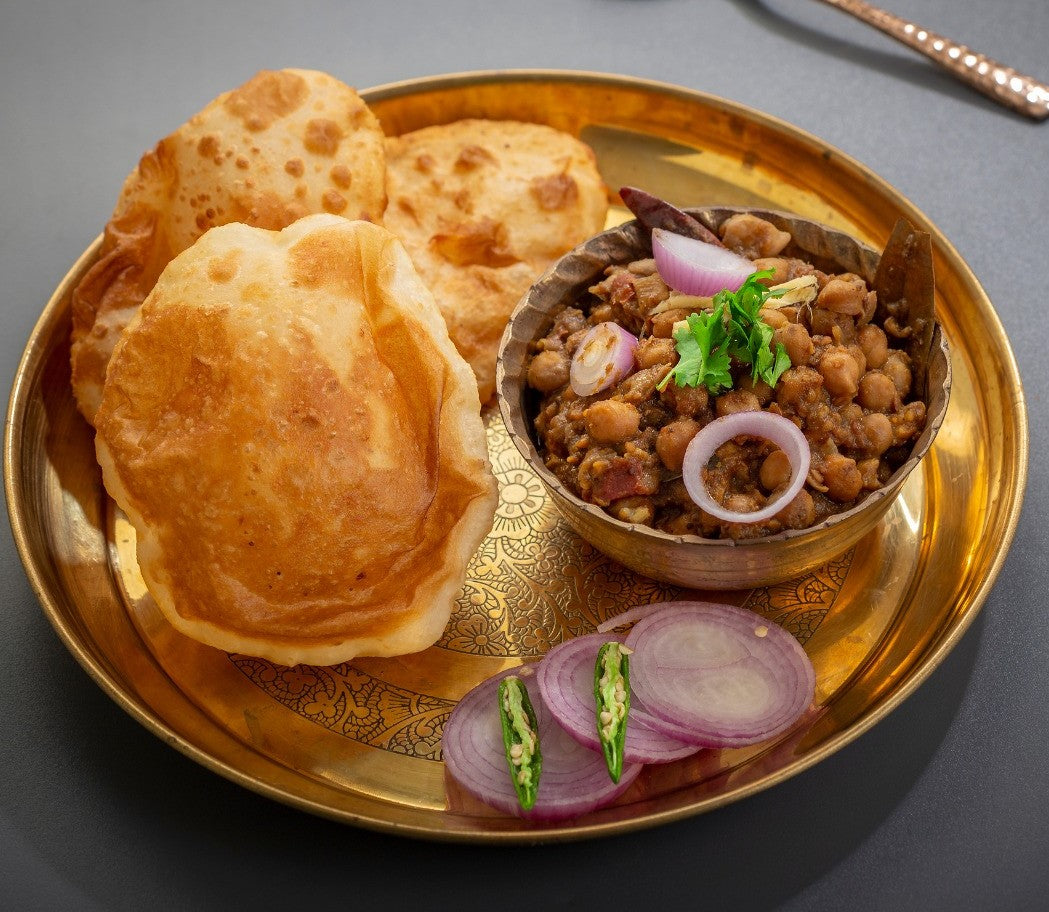
A quintessential Punjabi delicacy, Chole Bhature is an iconic and indulgent street food favourite that has captivated food lovers across India and beyond. This hearty combination features a spicy and tangy chickpea curry (chole), served with a large, fluffy, deep-fried leavened bread called bhature. The pairing offers a delightful contrast in textures and flavours, making it one of the most beloved brunch and lunch meals in North India, especially popular at street stalls in Delhi and Punjab.
The chole in this dish is typically darker and spicier than a standard Chana Masala, often getting its colour and tang from dried gooseberries (amla) or tea leaves steeped in the cooking water. The bhature dough is traditionally fermented for several hours, which gives the bread its signature soft, chewy interior and slightly crisp exterior when fried. This pairing is a perfect example of satisfying vegan Indian food recipes that don't compromise on taste or tradition.
Why It's a Must-Try
Chole Bhature is more than just a meal; it's a celebrated culinary experience. Popularised by Punjabi street food culture and Delhi's bustling casual dining scene, it represents the heart of North Indian comfort food. Its reputation as a must-have breakfast dish in many homes and its widespread availability in Indian restaurants globally cement its status as an unforgettable plant-based dish.
Pro Tips for the Perfect Curry
- Plan Ahead: For the fluffiest bhature, allow the dough to rest and ferment for at least 4-8 hours. A longer fermentation period develops more flavour and a better texture.
- Dough Texture: Add a dairy-free yogurt substitute to the dough to make the bhature exceptionally soft and pillowy.
- Serve Immediately: Bhature are best enjoyed hot and puffed up straight from the fryer. Serve them immediately with the chole, sliced onions, and a wedge of lemon.
- The Perfect Side: A spicy mango or mixed vegetable pickle (achar) is the classic accompaniment that cuts through the richness of the dish.
For a delicious and convenient base, you can use a ready-made chickpea curry. Jewel of Asia’s authentic Chana Masala serves as an excellent foundation for your chole, saving you time without sacrificing that homestyle flavour.
10. Vegetable Biryani (Vegan Version)
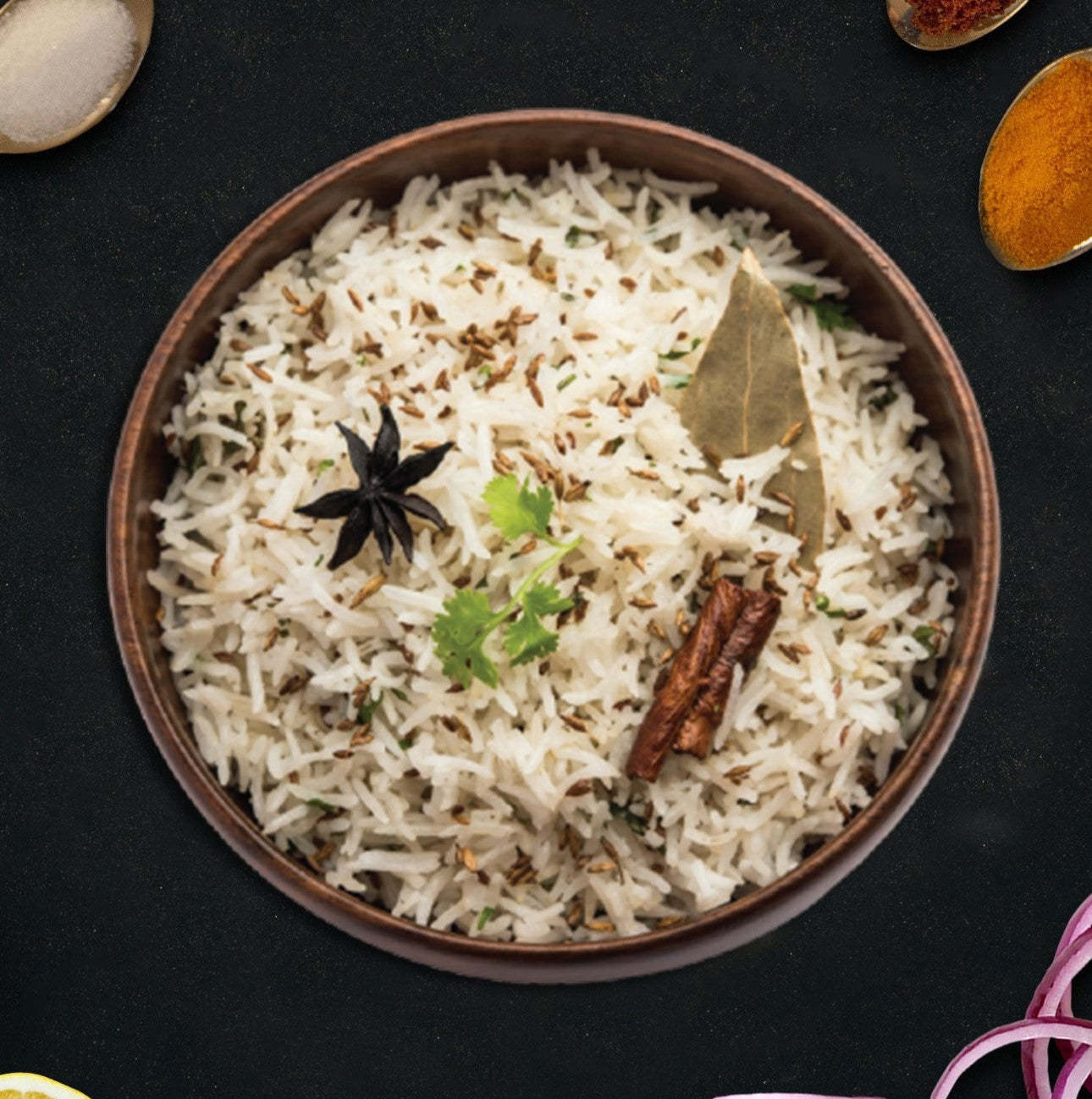
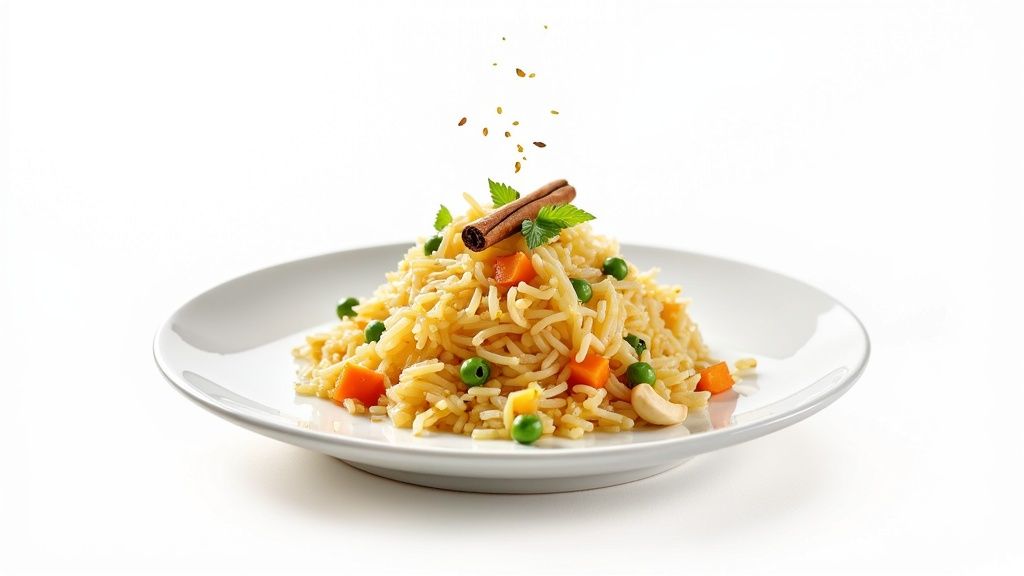
A celebratory one-pot meal, Vegetable Biryani is the pinnacle of aromatic rice dishes in Indian cuisine. This regal dish, with roots in Mughlai, Hyderabadi, and Lucknowi culinary traditions, features fragrant long-grain basmati rice and assorted vegetables slow-cooked in layers with a complex blend of whole spices. While traditionally made with ghee, this dish is beautifully adapted into a stunning vegan feast that showcases the sophistication of Indian cooking.
The magic of biryani lies in its "dum" cooking method, where layers of partially cooked rice, marinated vegetables, and fragrant spices are sealed in a pot and cooked over low heat. This process allows the steam to build, melding the individual flavours of saffron, mint, coriander, and garam masala into a harmonious and intoxicating aroma. It’s a complete meal that feels both luxurious and comforting, perfect for special occasions or a weekend treat.
Why It's a Must-Try
Vegetable Biryani is more than just a dish; it’s an experience. The process of layering and the final reveal of perfectly cooked, separate grains of rice infused with spices make it a culinary masterpiece. Vegan Indian chefs have perfected plant-based versions that lose none of the richness or complexity, making it a beloved centrepiece at celebrations and a highlight on restaurant menus worldwide.
Pro Tips for the Perfect Biryani
- Par-Cook the Rice: Boil your basmati rice until it is only 70% cooked. This prevents it from becoming mushy during the final steaming process.
- Strategic Layering: Start with a layer of vegetables at the bottom, followed by rice, fried onions, fresh herbs, and a saffron-infused plant-based milk. Repeat to build flavour.
- Seal the Pot: For an authentic "dum" flavour, seal the lid of your pot with dough or a tight layer of foil to trap the steam and infuse the rice.
- Use Vegetable Broth: Cook the rice and vegetables in a quality vegetable broth instead of water to add an extra layer of savoury depth.
Biryani is also an excellent candidate for meal prepping; you can find more inspiration in our guide to vegan meal prep ideas. For a taste of this royal dish without the effort, Jewel of Asia’s ready-to-eat Vegetable Biryani offers a convenient, flavourful, and authentic option.
Quick Comparison: 10 Vegan Indian Recipes
| Dish | 🔄 Implementation complexity | ⚡ Time / efficiency | Resource requirements | 📊 Expected outcomes | 💡 Ideal use cases & key advantages |
|---|---|---|---|---|---|
| Chana Masala | Moderate 🔄 — stovetop simmer, easy spice layering | 30–40 min ⚡ | Canned/pre-cooked chickpeas, tomato, common spices | Tangy, robust tomato-spice; high protein 📊 ⭐⭐⭐ | Everyday meal, meal-prep; affordable, reheats well 💡 |
| Aloo Gobi | Low 🔄 — simple sautés, watch for texture | 20–25 min ⚡ | Potatoes, cauliflower, basic spices, medium-high heat | Dry, crispy-textured vegetable curry; light 📊 ⭐⭐ | Quick weeknight or side dish; budget-friendly, freezes well 💡 |
| Dal Makhani (Vegan) | High 🔄 — slow-cook and enrich for creaminess | 2–3 hours (or pressure-cook) ⚡ | Black lentils + kidney beans, coconut/cashew cream, long cook | Deep, creamy, complex umami; high protein & rich 📊 ⭐⭐⭐ | Special meals or batch-cooking; restaurant-style richness 💡 |
| Palak Tofu (Palak Paneer → Tofu) | Moderate 🔄 — blanch/blend spinach + pan-fry tofu | 30–40 min ⚡ | Fresh spinach, firm tofu, blender, mild spices | Vibrant green, creamy spinach sauce; iron-rich 📊 ⭐⭐ | Nutritious weeknight entrée; visually appealing, quick once prepped 💡 |
| Sambar | High 🔄 — multiple components and spice-prep | 45–60+ min ⚡ | Toor dal, tamarind, mixed vegetables, homemade sambar powder | Tangy, layered stew with vegetable variety; very nutritious 📊 ⭐⭐⭐ | Staple South Indian meal, adaptable to seasonal veg; make spice powder in bulk 💡 |
| Baingan Bharta | Low–Moderate 🔄 — roast, mash, then sauté | 30–40 min ⚡ | Eggplant (roasted), onions, tomatoes, basic spices | Smoky, rustic mashed eggplant; low-calorie, umami-forward 📊 ⭐⭐ | Casual sides or mains; great for open-flame cooking, simple ingredient list 💡 |
| Rajma | Moderate–High 🔄 — soaking and long simmering needed | 90+ min (pressure-cooker reduces time) ⚡ | Kidney beans (soaked), tomato-spice base, slow cooking | Thick, comfort-style stew; very filling and protein-rich 📊 ⭐⭐ | Comfort lunch/dinner and batch cooking; economical and satiating 💡 |
| Toor Dal (Arhar Dal) | Low 🔄 — straightforward, quick lentil curry | 20–30 min ⚡ | Toor dal, turmeric, tempering (mustard seeds, curry leaves) | Creamy, mild, easily digestible protein side 📊 ⭐⭐ | Daily staple with rice; fast, nourishing, family-friendly 💡 |
| Chole Bhature | High 🔄 — chickpea curry + dough rest and deep-fry skill | 4–8 hr (dough rest) + active frying ⚡ | Chickpeas, flour-based bhature dough, frying oil, spices | Indulgent, hearty street-food combo; very filling 📊 ⭐⭐ | Festive breakfasts or treats; impressive but high-calorie, best served immediately 💡 |
| Vegetable Biryani (Vegan) | High 🔄 — multi-step layering and timing critical | 45–90 min ⚡ | Basmati rice, mixed vegetables, whole spices, dum technique | Aromatic, visually impressive one-pot meal; complete nutrition 📊 ⭐⭐⭐ | Celebrations and entertaining; makes a show-stopping main, reheats well 💡 |
Bringing It All Together: Your Vegan Indian Kitchen
We've journeyed through a vibrant landscape of flavour, exploring ten foundational vegan Indian food recipes that bring the heart of authentic Indian cuisine into your plant-based kitchen. From the hearty, protein-packed Chana Masala and Rajma to the comforting simplicity of Toor Dal and the fragrant complexity of a Vegetable Biryani, you are now equipped with a versatile culinary toolkit. These recipes demonstrate that vegan Indian cooking is not about restriction; it's a celebration of vegetables, legumes, and spices in their most glorious forms.
The key takeaway is the adaptability inherent in this cuisine. Mastering the art of the tadka (tempering spices in hot oil), understanding the foundational role of the onion-tomato masala, and learning how to balance spices are the core skills that unlock endless creativity. You've seen how easily traditional dishes can be reimagined, with tofu seamlessly stepping in for paneer in Palak Tofu and plant-based yoghurt creating a creamy, tangy base for our vegan Dal Makhani. This adaptability is your greatest asset.
Actionable Next Steps for Your Culinary Journey
Your exploration of vegan Indian food recipes doesn't end here. To truly integrate these dishes into your life, consider these practical next steps:
- Build Your Spice Library: If you haven't already, invest in a quality set of core Indian spices. Start with cumin seeds, coriander powder, turmeric, red chilli powder (like Kashmiri for colour), and garam masala. This initial investment will pay dividends in flavour for months to come.
- Master One Recipe at a Time: Instead of feeling overwhelmed, pick one recipe from our list that excites you most, perhaps the Aloo Gobi for a simple weeknight dinner. Cook it once, then cook it again the following week. Repetition builds confidence and intuitive understanding of the cooking process.
- Embrace Batch Cooking: As we've highlighted, many of these recipes are perfect for meal prep. Dedicate a few hours on a Sunday to make a large batch of Dal or Chana Masala. Portion it out into containers for quick, nourishing lunches throughout your busy week in Sydney or Melbourne.
- Perfect Your Accompaniments: A great Indian meal is about the sum of its parts. While your main dish is simmering, why not perfect the art of a perfect cup of chai? To round out your authentic dining experience, learn how to brew a traditional hot beverage with an authentic spiced chai tea recipe.
The Long-Term Benefits of Your Vegan Indian Kitchen
Embracing these recipes is more than just learning to cook; it's about connecting with a rich culinary heritage while nourishing your body. For health-conscious individuals, this style of cooking is naturally rich in fibre, plant-based protein, and micronutrients, all while being free from preservatives and artificial additives. For students and busy professionals, it offers an affordable and deeply satisfying alternative to constant takeaways.
By mastering these dishes, you gain control over your ingredients, save money, and reduce your environmental footprint, one delicious meal at a time. Whether you're craving homestyle "desi khana" or planning a dinner party to impress your friends, these vegan Indian food recipes provide a solid and delicious foundation. The confidence you build will empower you to experiment, innovate, and make this vibrant cuisine truly your own.
Ready to enjoy authentic, preservative-free vegan Indian meals without the prep time? For those busy days when you crave homestyle flavour without the effort, Jewel of Asia delivers chef-crafted, ready-to-eat meals straight to your door across Sydney, Melbourne, and Brisbane. Explore our extensive vegan menu at Jewel of Asia and discover the ultimate in convenience and taste.
Share