


Your Practical Gluten Free Diet Plan for a Busy Lifestyle
A gluten-free diet plan is all about methodically swapping out foods that contain gluten—a protein found in wheat, barley, and rye—for alternatives that are naturally free of it.
This means shifting your focus to whole foods like fruits, veggies, lean meats, and gluten-free grains. It also means becoming a bit of a detective, carefully reading labels to spot gluten hiding in processed foods. The end game is to manage symptoms tied to gluten intolerance or coeliac disease while making sure your diet is still balanced and packed with nutrients.
Starting Your Gluten-Free Journey in Australia
Making the switch to a gluten-free lifestyle can feel like a massive undertaking, but you’re definitely not alone. A growing number of Aussies are embracing this way of eating, whether for medical reasons or as a personal choice to feel better. Getting a handle on the basics is your first, most important step toward creating a diet that's both sustainable and enjoyable.
This trend is hard to miss on supermarket shelves. In Australia, the gluten-free food market was valued at around USD 361.20 million and is expected to soar to over USD 1 billion by 2033. This growth is fuelled by a bigger focus on health and a fantastic improvement in product availability, which makes finding tasty gluten-free options easier than ever. You can read more about this market boom over at datainsightsmarket.com.
What Exactly Is Gluten?
So, what is this protein at the centre of it all? Gluten is basically a family of proteins found in grains like wheat, barley, and rye. It acts like a sort of 'glue' that gives bread its satisfying chewiness and helps dough rise. It’s the magic behind a stretchy pizza base and a light, fluffy cake.
The issue, however, is that for some people, this protein can trigger some pretty unpleasant health problems. The reasons for going gluten-free usually boil down to one of these:
- Coeliac Disease: A serious autoimmune disorder where eating gluten prompts the immune system to attack the small intestine. For people with this condition, a strict, lifelong gluten-free diet is non-negotiable.
- Non-Coeliac Gluten Sensitivity (NCGS): People with NCGS get symptoms like bloating, headaches, or brain fog after eating gluten, but without the intestinal damage seen in coeliac disease.
- Wheat Allergy: This is a classic food allergy to proteins in wheat, causing reactions that can range from mild hives to life-threatening anaphylaxis.
- Lifestyle Choice: Some people simply find they feel better when they cut out gluten, reporting benefits like having more energy or better digestion.
Your First Steps Toward a Gluten-Free Plan
Before you clear out the pantry, it’s smart to approach this change with a bit of a strategy. Jumping in head-first without a plan can quickly lead to frustration and leave you with gaps in your nutrition. Your first job is to get clear on what you need to avoid and, just as importantly, all the delicious things you can welcome onto your plate.
The secret to a successful gluten-free diet isn't about deprivation; it's about discovery. You'll start to appreciate the huge variety of naturally gluten-free foods and find new favourites you might have overlooked before.
Try to shift your focus from what you're cutting out to the abundance of foods you can still enjoy. This simple mindset tweak makes the whole process feel less like a restriction and more like a new culinary adventure.
Thankfully, there are plenty of resources to help you navigate this. And for those weeks when life gets too hectic, you can look into handy solutions like the best gluten-free meal delivery in Australia to stay on track without the stress. This practical, positive approach is what will set you up for success in the long run.
Building Your Gluten-Free Foundation
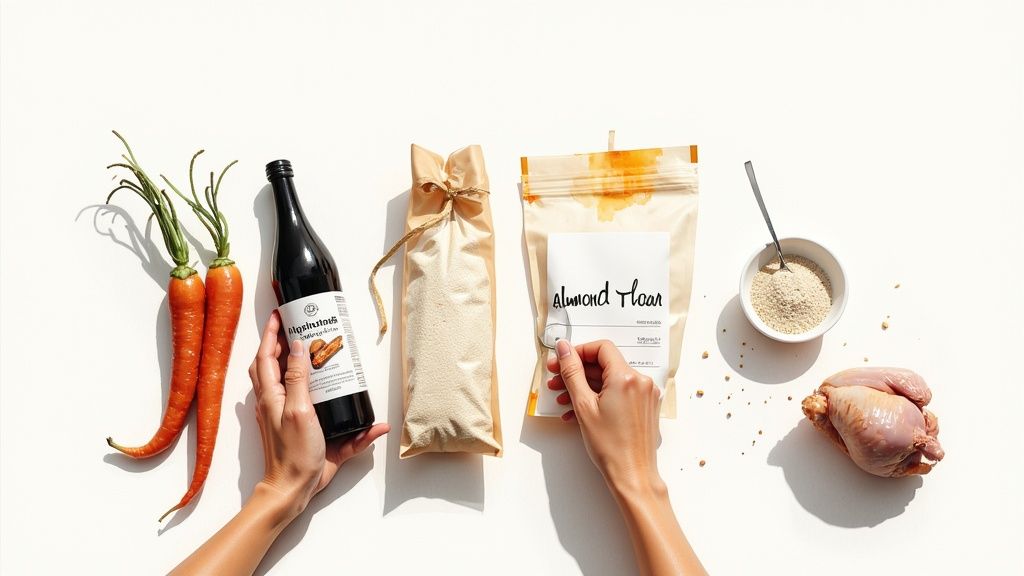
Starting a gluten-free diet can feel a bit daunting, but the key to making it stick is all about shifting your mindset. Instead of dwelling on what you're cutting out, focus on the incredible variety of naturally gluten-free foods you get to enjoy. This simple change in perspective makes the whole process feel less like a restriction and more like a fresh start.
Your new go-to foods will be whole, unprocessed ingredients. Think colourful fruits and veggies, lean proteins like chicken and fish, eggs, and dairy. These form the bedrock of a healthy, safe diet, packed with the nutrients you need and free from any hidden gluten.
This is a pretty big deal here in Australia. It’s not just a trend; approximately 1% of Australians live with coeliac disease, and another 6% deal with non-coeliac gluten sensitivity. This growing awareness means we have more options than ever, as you can read more about on the Grains & Legumes Nutrition Council website.
Mastering the Art of Label Reading
Once you venture beyond the fresh food aisles, you step into the world of packaged goods. This is where you need to put on your detective hat. Gluten has a knack for showing up in the most unexpected places.
Learning to read a food label properly isn't just a good idea—it's essential. Thankfully, Australian food labelling laws are on our side. The first thing to look for is a clear "gluten free" claim on the package. By law, products with this label must contain no detectable gluten.
For an extra layer of assurance, look for the Coeliac Australia endorsement logo, which is a symbol of a crossed grain. This tells you the product has been rigorously tested and is certified safe, which is a huge relief when you're starting out.
Beyond those main symbols, get into the habit of scanning the ingredients list and the allergen statement. You're looking for keywords like:
- Wheat
- Barley
- Rye
- Oats (unless they're specifically marked as gluten-free)
- Malt
The allergen summary, which is usually in bold (e.g., Contains: Wheat), is your fastest shortcut to identifying a product you need to put back on the shelf.
Common Foods Containing Gluten vs Safe Alternatives
Navigating the supermarket aisles can feel like a minefield at first. To make things easier, here’s a quick-reference table to help you spot common gluten-containing foods and find fantastic, safe alternatives.
| Food Category | Avoid (Contains Gluten) | Enjoy (Gluten-Free Alternative) |
|---|---|---|
| Grains & Breads | Wheat bread, rye, barley, couscous, regular pasta | Gluten-free bread, quinoa, rice, corn, buckwheat, GF pasta |
| Breakfast Cereals | Oats (unless certified GF), wheat-based cereals | Rice-based cereals, corn flakes, millet puffs, buckwheat groats |
| Sauces & Condiments | Soy sauce, malt vinegar, many pre-made gravies | Tamari (GF soy sauce), rice wine vinegar, cornflour-thickened sauces |
| Processed Meats | Some sausages, deli meats with fillers, crumbed meats | Plain grilled chicken, fish, steak, sausages labelled GF |
| Snacks & Sweets | Pretzels, regular biscuits, cakes, many lollies | Rice crackers, nuts, fruit, dark chocolate, GF baked goods |
This isn't an exhaustive list, but it covers the main culprits you'll encounter. With time, making these swaps will become second nature.
Spotting Sneaky and Hidden Gluten
You'll quickly learn that gluten can be a master of disguise. Getting familiar with its common hiding spots will save you from the misery of being "glutened" by accident.
Here are a few classic examples of where gluten lurks:
- Sauces and Marinades: Soy sauce is the big one, as it's traditionally made with wheat. Always grab tamari instead.
- Soups and Gravies: Flour is the default thickener for many commercial soups and gravies.
- Sausages and Processed Meats: Check the label on snags, as many use wheat-based breadcrumbs as a cheap filler.
- "Veggie" Burgers: Many plant-based patties use wheat protein to bind them together and give them a meaty texture.
- Salad Dressings: Malt vinegar and other mystery "flavourings" can often contain gluten.
The key takeaway is to never assume a product is safe. A quick label check takes only a few seconds but can prevent days of discomfort. It's a small habit that makes a huge difference in managing your health.
Preventing Cross-Contamination in Your Kitchen
If you're sharing your kitchen with gluten-eaters, keeping your food safe from cross-contamination is a top priority. This is especially critical if you have coeliac disease, as even microscopic crumbs can cause a reaction.
The goal here is to create clear boundaries and use dedicated tools for your food. These simple habits work wonders:
- Separate Utensils and Boards: Get a different coloured set of chopping boards and knives just for your gluten-free prep. It's a simple visual cue that everyone in the house can follow.
- Get a Dedicated Toaster: There's just no way to get all the gluten crumbs out of a shared toaster. A separate one is one of the smartest (and safest) purchases you can make.
- Wipe Down Surfaces: Before you even start cooking, give your benchtops a thorough wipe-down to get rid of any stray crumbs.
- Store Food Safely: Keep your gluten-free flours, crackers, and other staples in sealed containers. Pop them on a higher shelf in the pantry so nothing from gluten-containing products can fall into them from above.
A Sample 7-Day Gluten-Free Meal Plan
Jumping into a new way of eating feels so much more manageable when you have a plan. Think of this as your roadmap for the first week—a sample 7-day gluten-free diet plan designed for busy Aussies. It's all about simple, nutrient-rich meals that are actually delicious and don't require hours in the kitchen.
This plan focuses on whole foods to make sure you’re getting a good mix of protein, healthy fats, and fibre. It also uses a few smart shortcuts, like cooking extra for dinner to use for the next day's lunch. That's a huge time-saver. And remember, this is just a guide. Feel free to mix and match meals or swap in different ingredients depending on what’s fresh at the shops or what you've already got in the fridge.
Kickstarting Your Week: Monday to Wednesday
The first few days of the work week are always a bit of a whirlwind, so these meals are all about efficiency. A bit of prep on a Sunday night—like cooking a batch of quinoa or chopping some veggies—will make Monday to Wednesday an absolute breeze.
-
Monday
- Breakfast: Greek yoghurt with a handful of mixed berries and a sprinkle of chia seeds. It’s a protein-packed start that’ll keep you going till lunch.
- Lunch: A big mixed greens salad with tinned tuna (the one in olive oil is best!), cherry tomatoes, cucumber, and a simple lemon vinaigrette.
- Dinner: Grilled chicken breast with roasted sweet potato wedges and steamed broccoli. Be sure to cook an extra chicken breast for tomorrow's lunch!
-
Tuesday
- Breakfast: A quick smoothie. Just blend a banana, a scoop of certified gluten-free protein powder, a spoonful of almond butter, and your milk of choice.
- Lunch: That leftover grilled chicken from last night, sliced and tossed through a quinoa salad with rocket, feta, and chopped capsicum.
- Dinner: A simple beef stir-fry. Use tamari instead of soy sauce and pack it with colourful veggies like snow peas, carrots, and bok choy. Serve with steamed rice.
-
Wednesday
- Breakfast: Two scrambled eggs with a side of sliced avocado and a slice of gluten-free toast.
- Lunch: Leftover beef stir-fry. It honestly tastes even better the next day once the flavours have had a chance to mingle.
- Dinner: Baked salmon fillet seasoned with a bit of dill and lemon, served alongside asparagus and some boiled new potatoes.
Navigating the Midweek Hump: Thursday to Friday
By Thursday, energy levels can start to dip, so we're keeping the meals straightforward. This is also a good time to bring in some variety with different proteins or even a new cuisine. If you're keen to explore different flavours, you'll find some fantastic ideas in these gluten-free Indian recipes.
-
Thursday
- Breakfast: A warm bowl of gluten-free oats (always check the label for certification!) topped with sliced banana and a drizzle of honey.
- Lunch: A hearty lentil soup. You can make a big pot over the weekend and freeze it in single-serve portions for super easy lunches.
- Dinner: Turkey mince san choy bau. Using fresh lettuce cups instead of wrappers makes it a light, flavourful, and really fun meal to eat.
-
Friday
- Breakfast: Back to the simple and satisfying Greek yoghurt with berries and chia seeds.
- Lunch: Leftover turkey mince from last night, served over a bed of mixed greens for a speedy salad.
- Dinner: It's Friday night! Why not make a homemade gluten-free pizza? You can grab a pre-made base or make your own with cauliflower, then load it up with your favourite toppings like tomato paste, cheese, mushrooms, and olives.
Enjoying a Relaxed Weekend
The weekend gives you a bit more breathing room to cook and catch up with people. These meal ideas are still nice and simple but allow for a little more time in the kitchen. It’s the perfect chance to try something new or whip up a gluten-free version of a classic comfort food.
A successful gluten-free diet isn't about being perfect; it's about consistency and being prepared. Having a plan, even a loose one, takes the guesswork out of eating and makes it so much easier to stay on track, especially when you're tired or uninspired.
-
Saturday
- Breakfast: A fluffy three-egg omelette filled with spinach, mushrooms, and a little bit of crumbled goat cheese.
- Lunch: A great way to use up any leftover roasted veggies from the week is to turn them into a delicious frittata.
- Dinner: Steak night! Pan-sear a quality steak and serve it with a big garden salad and any leftover sweet potato wedges.
-
Sunday
- Breakfast: A weekend treat—gluten-free pancakes! You can make them with almond or buckwheat flour and top them with maple syrup and fresh fruit.
- Lunch: Thinly slice any leftover steak from last night and toss it through a salad.
- Dinner: A comforting roast chicken with roasted root veggies like carrots, parsnips, and potatoes. This is the ultimate meal-prep dinner; the leftovers are brilliant for lunches and salads for the next couple of days.
Tips for Snacks and Drinks
It's natural to feel a bit peckish between meals, so having some smart snacks on hand is a great idea.
- Smart Snacking: Keep it simple with whole foods. A piece of fruit, a handful of almonds or walnuts, rice cakes with avocado, or a small tub of yoghurt are all great options.
- Hydration is Key: Don't forget to drink plenty of water throughout the day. Herbal teas and the occasional coffee are perfectly fine, too.
This plan gives you a solid, balanced foundation to build from. If you're looking for more inspiration to keep your weekly menus fresh and exciting, you might find some great new ideas in these 7 Life-Changing Gluten Free Meal Plans. The real key is finding a rhythm that works for your life, making sure your meals are both nourishing and something you genuinely look forward to eating.
Your Gluten-Free Shopping and Kitchen Prep Guide
A successful gluten-free diet isn't just about what you eat; it’s about setting up your kitchen and your routine for success. This all starts with a smart shopping strategy and a well-stocked pantry, which can turn what feels like a massive chore into a simple, streamlined habit.
When you have a solid foundation in your fridge and pantry, sticking to a gluten-free plan becomes almost effortless. You’ll always have safe, delicious options ready to go, which makes it so much easier to resist grabbing something convenient that might not be right for you. A little planning here really does go a long way.
This image gives a great visual for structuring your daily meals, a key part of keeping any gluten-free diet plan on track.
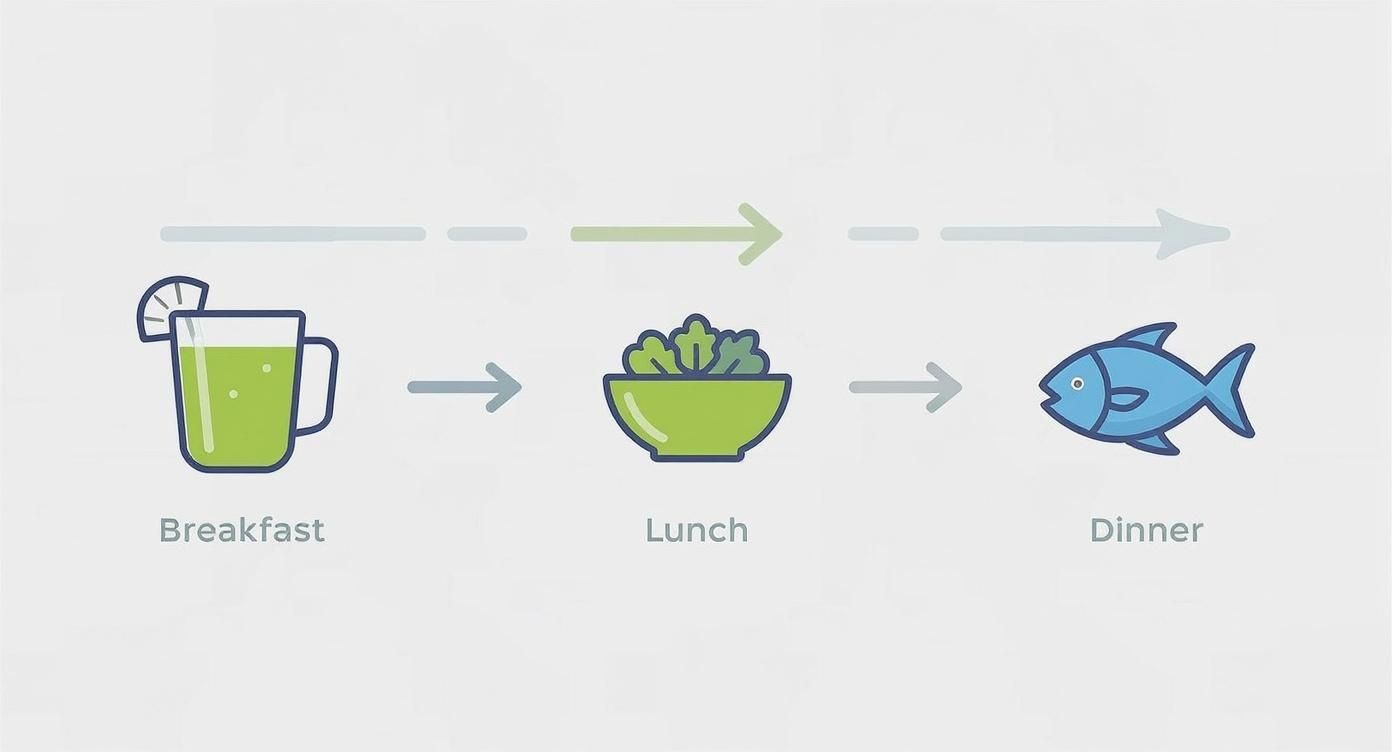
By focusing on a simple formula—like a smoothie, a big salad, and some lean protein with veggies—you can easily build a balanced and varied menu without getting bogged down in complicated recipes.
Mastering The Supermarket Aisles
Walking into the supermarket with a clear plan is your secret weapon. Don't just wander the aisles; organise your shopping list by section to make your trip quick and efficient.
- Fresh Produce First: Load up your trolley with a rainbow of fruits and vegetables. These are all naturally gluten-free and should be the foundation of your meals.
- Lean Proteins: Swing by the butcher and seafood counters for chicken, fish, beef, and eggs. Just remember to always double-check sausages and pre-marinated meats for hidden gluten.
- Pantry Staples: This is where you’ll grab essentials like rice, quinoa, legumes, nuts, seeds, and certified gluten-free flours.
- The "Free From" Aisle: While this aisle is useful, try not to live in it. It’s fantastic for specific swaps like bread or pasta, but a diet built primarily on whole, unprocessed foods is always going to be your best bet.
For those hard-to-find ingredients, checking out an international grocery store near you can be a game-changer, uncovering new gluten-free flavours to spice up your cooking.
Setting Up Your Gluten-Free Kitchen
Creating a safe and efficient kitchen space is absolutely fundamental. The first thing to do is organise your pantry to keep gluten-containing foods completely separate from your gluten-free items to avoid cross-contamination.
Designate a specific shelf for your gluten-free flours, pastas, and snacks—ideally, a top shelf so crumbs from gluten products can't fall down onto them. While you're at it, it's worth thinking about your gear; this guide can help you choose the best cookware for health and safe cooking.
A well-organised kitchen does more than just keep you safe from cross-contamination; it makes cooking genuinely enjoyable. When everything has its place and is easy to find, you’re far more likely to stick with your healthy eating goals.
Investing a little time in setting this up will pay off massively during a busy week.
A well-stocked pantry is your best friend when you're short on time. Here's a quick checklist to get you started.
Essential Gluten-Free Pantry Staples
| Category | Staple Items | Common Uses |
|---|---|---|
| Grains & Flours | Quinoa, brown/white rice, buckwheat, certified gluten-free oats, almond flour, coconut flour | Side dishes, salads, breakfast porridge, baking, thickening sauces |
| Legumes & Pulses | Lentils (all colours), chickpeas, black beans, kidney beans (canned or dried) | Soups, stews, salads, homemade dips (like hummus), curries |
| Nuts & Seeds | Almonds, walnuts, cashews, chia seeds, flaxseeds, pumpkin seeds | Snacks, salad toppers, smoothie boosts, homemade nut milk/butter |
| Oils & Vinegars | Extra virgin olive oil, coconut oil, avocado oil, apple cider vinegar, balsamic vinegar | Dressings, marinades, roasting, sautéing |
| Tinned Goods | Tinned tomatoes, coconut milk/cream, tinned tuna/salmon | Pasta sauces, curries, quick and easy protein for lunches |
| Herbs & Spices | Mixed herbs, cumin, paprika, turmeric, cinnamon, salt, pepper | Flavouring literally everything without adding gluten |
Having these items on hand means you can almost always pull together a healthy, gluten-free meal from scratch.
Weekend Meal Prep For A Stress-Free Week
You don't have to cook every single meal in advance. In fact, dedicating just an hour or two on a Sunday to "component prepping" can completely change your week while keeping things flexible.
Here’s how to get a head start:
- Wash and Chop Veggies: Get things like capsicums, carrots, and broccoli ready to go. Store them in airtight containers in the fridge for easy additions to stir-fries, salads, or snacks.
- Cook a Batch of Grains: Having cooked quinoa or brown rice ready means you can throw together a filling lunch or dinner in minutes.
- Marinate Your Proteins: Pop some chicken breasts or fish fillets in a marinade. They’ll soak up all that flavour and be ready to hit the pan when you need them.
- Make a Versatile Dressing: Whisk up a simple vinaigrette. It can be used on salads all week or even drizzled over roasted veggies.
Navigating Social Situations and Dining Out
Going gluten-free doesn't mean your social life has to take a nosedive. The thought of eating out or heading to a party can feel pretty daunting at first, I get it. But with a bit of know-how and forward planning, you can handle any situation with confidence.
The trick is to get ahead of the game. A little preparation turns a potential minefield into just another fun night out. It's all about making a few small habits feel second nature so you can relax and enjoy yourself.
Eating Out at Restaurants
Dining out can feel like one of the biggest hurdles, but it’s completely manageable. Your best friend here is communication—being proactive is always better than just showing up and hoping for the best.
Start with a quick bit of online detective work. Most Aussie restaurants have their menus online, so you can scout out potential gluten-free meals before you even think about booking. I always look for dishes that are naturally gluten-free, like grilled fish or meat with a side of steamed veggies and rice. Simple, but safe.
When you call to book a table, give them a heads-up. Something casual like, "Hi, I'm booking for two, and just to let you know, one of us needs a strictly gluten-free meal," is all it takes. This gives the kitchen staff time to prepare.
Pro Tip: Don't just ask if a dish is gluten-free. The real question is how it's prepared. That grilled barramundi sounds perfect, but not if it's cooked on the same hotplate they just used for crumbed calamari. Getting into the details is what keeps you safe from cross-contamination.
What to Say to Restaurant Staff
Once you arrive, a clear and friendly chat with your server is everything. Remember, they're your ally. It’s not about making demands; it's about helping them help you.
You could try a simple script like this:
"Hi there, I have a serious gluten intolerance, so I have to be really careful. Could you point me towards the best options on the menu that are completely gluten-free? I need to avoid wheat, barley, and rye, and also be mindful of things like shared fryers or chopping boards."
This approach works wonders because it’s clear, non-confrontational, and shows you know your stuff. Most importantly, it flags cross-contamination, which is often the biggest hidden risk.
Choosing the Right Cuisine
Let's be honest, some cuisines are just easier to navigate than others. Steering your gluten free diet plan towards these can make life a whole lot simpler.
- Thai and Vietnamese: These are often a safe bet. They're built on rice, rice noodles, and fresh ingredients. Just be sure to double-check the fish sauce, as some brands can contain wheat.
- Mexican: Think corn tortillas, rice, beans, and delicious grilled meats. Just be sure to skip the flour tortillas and ask about what goes into their sauces.
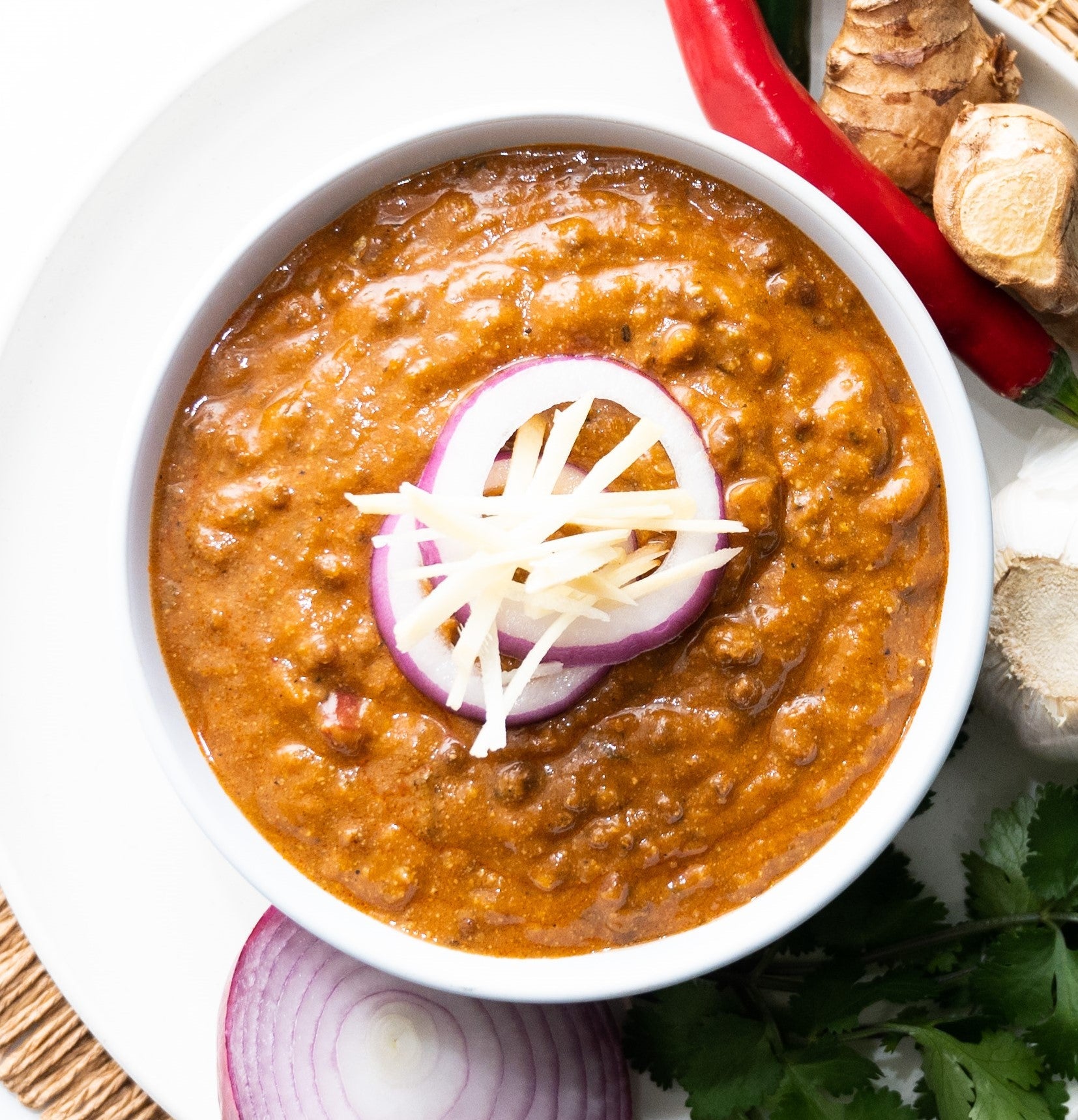
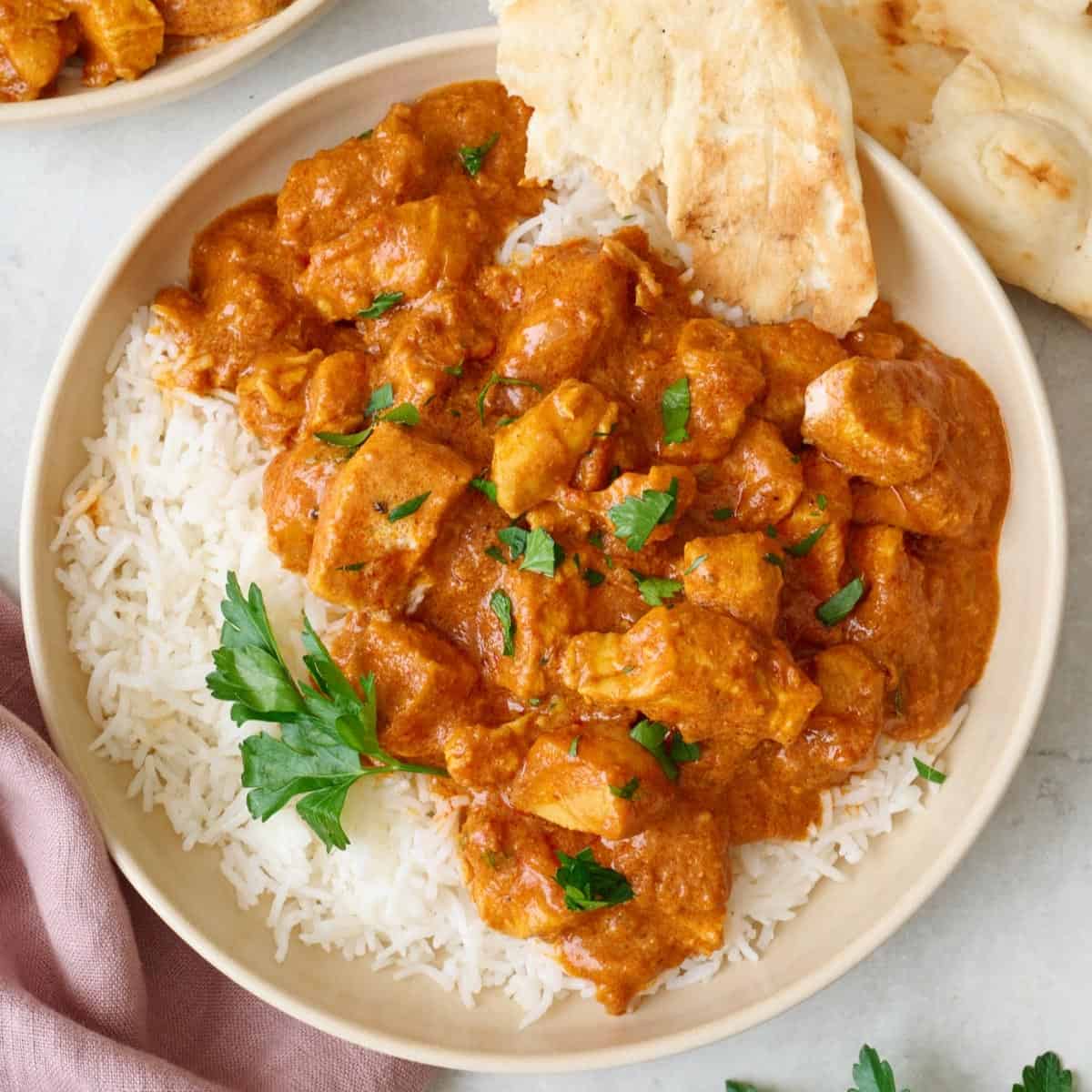
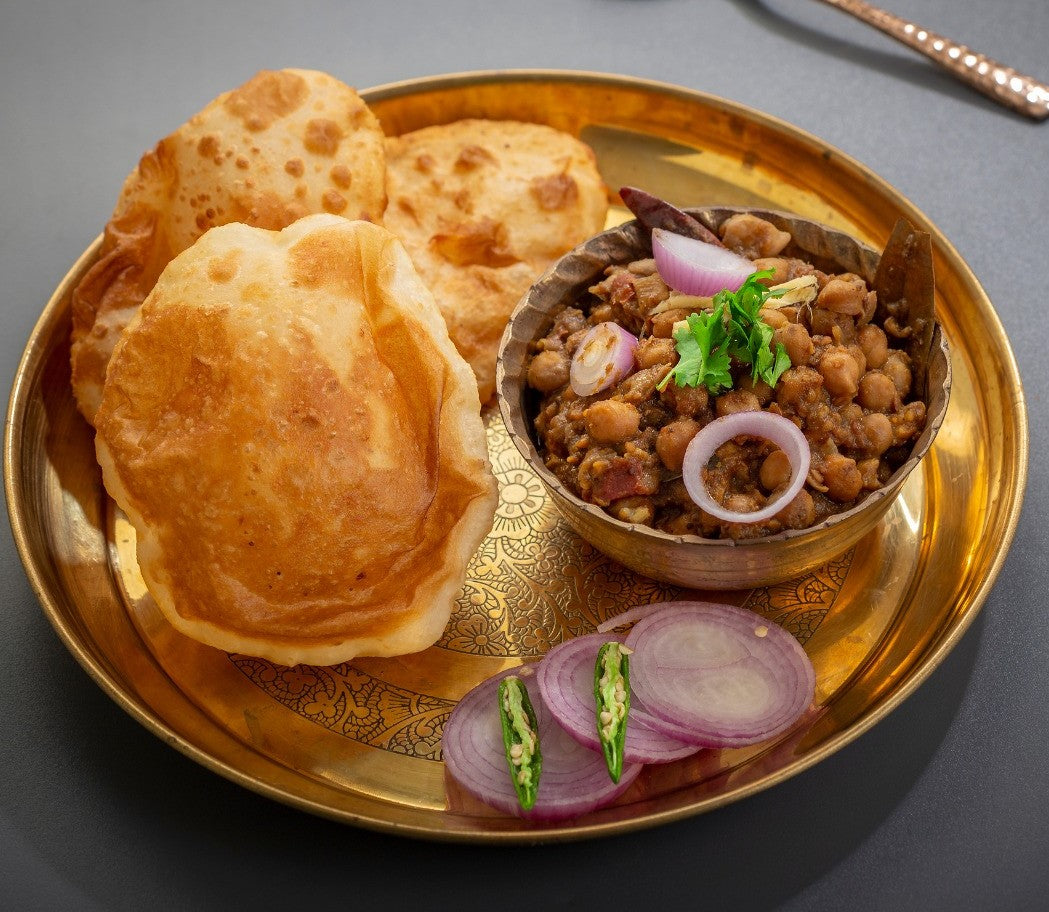
- Indian: So many curries are naturally thickened with yoghurt, lentils, or nuts instead of flour. It's a goldmine for gluten-free eating. At Jewel of Asia, for instance, you'll find a massive range of safe and authentic options, from rich curries to aromatic biryanis.
- Japanese: Sashimi and sushi are fantastic choices. Just remember to ask for tamari (which is gluten-free) instead of regular soy sauce and steer clear of anything with tempura batter or a thick teriyaki glaze.
Handling Dinner Parties and Family Gatherings
Catch-ups with friends and family can feel a bit awkward when you can't eat what everyone else is having. My advice? Be open, be honest, and be helpful.
Let the host know about your dietary needs well in advance—don't spring it on them when you walk in the door. The absolute best strategy is to offer to bring a dish to share.
Turning up with a substantial gluten-free meal, like a big vibrant salad, a tray of roasted veggies, or even a flavourful curry, is a win-win. It guarantees you have something delicious and safe to eat, it takes the pressure off your host, and it shows everyone else just how good gluten-free food can be. You'll feel like a contributor, not a problem.
Got Questions About Going Gluten-Free?
Starting any new way of eating is bound to bring up a few questions. When it comes to a gluten-free diet, I find the same queries pop up time and time again. Getting clear, straightforward answers is the best way to cut through the confusion and get started on the right foot.
Let's dive into some of the most common uncertainties people have. From questions about weight to making sure you're getting enough key nutrients, here are the practical answers you need to feel confident.
"Will I Automatically Lose Weight on a Gluten-Free Diet?"
This is probably the biggest myth out there. While some people do drop a few kilos at first—especially if they ditch processed junk like pastries and pasta—going gluten-free is definitely not a guaranteed weight-loss strategy. The outcome depends entirely on what you choose to eat instead.
It's a classic trap: many packaged gluten-free products like biscuits, cakes, and breads are actually loaded with more sugar, fat, and calories. This is often done to compensate for the texture and flavour that gluten provides.
The real secret to managing your weight on a gluten-free diet is exactly the same as any healthy eating plan: build your meals around whole, unprocessed foods. Think vibrant vegetables, lean proteins, fruit, and naturally gluten-free grains like quinoa and brown rice.
Simply swapping a regular biscuit for a gluten-free one isn't the answer. Focusing on genuinely nourishing foods is what makes the real difference.
"How Can I Get Enough Fibre Without Wheat?"
A very good question. When you cut out whole wheat, barley, and rye, you are removing some major sources of dietary fibre. But don't worry, with a little planning, it’s completely achievable to get all the fibre you need.
The trick is to be deliberate about adding a good mix of high-fibre, gluten-free foods to your plate every day. And thankfully, there are plenty of delicious options:
- Legumes: Lentils, chickpeas, and black beans are absolute fibre powerhouses.
- Veggies: Load up on broccoli, Brussels sprouts, and leafy greens.
- Fruit: Berries, pears, and apples (keep the skin on!) are brilliant.
- Nuts and Seeds: A handful of almonds or a sprinkle of chia and flaxseeds works wonders.
- Gluten-Free Whole Grains: Quinoa, brown rice, buckwheat, and certified gluten-free oats are fantastic staples.
By making sure you’re eating a variety of these foods, you'll easily hit your fibre targets and keep your digestive system happy.
"What If I Think I Have Celiac Disease?"
If you're experiencing symptoms that make you suspect celiac disease, there's one incredibly important rule: you must see your doctor before you stop eating gluten. Honestly, this is the most critical first step for getting a proper diagnosis.
Here's why: the blood tests used to screen for celiac disease work by detecting specific antibodies your body only produces when you're consuming gluten. If you've already started a strict gluten-free diet, the tests can come back with a false negative, which just complicates everything.
Your GP can arrange the initial blood test. If it points towards celiac disease, you'll usually be referred to a specialist for confirmation, which might involve a small biopsy. Trying to self-diagnose can really get in the way of receiving the correct medical advice and support you need.
Navigating the world of gluten-free eating can be simple and delicious, especially when you have convenient options on hand. For those busy nights, Jewel of Asia offers a wide range of authentic, chef-prepared Indian meals that are certified gluten-free, delivered right to your door. Explore the menu and find your new favourite.
Share