


gluten free indian recipes: quick, easy & delicious
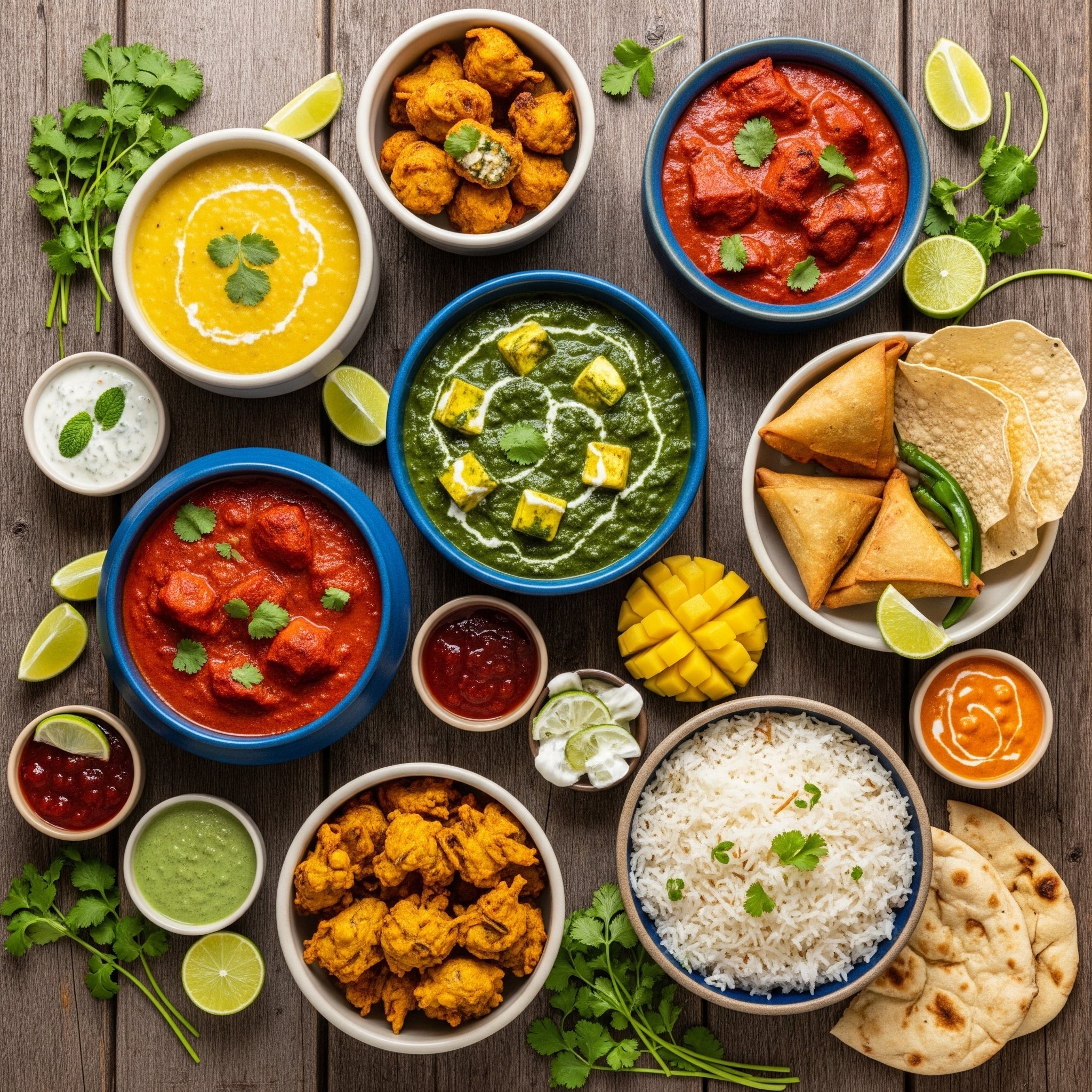
The great thing about Indian cooking is that so many classic dishes are already naturally gluten-free. From fragrant lentil dals to rich vegetable curries, the cuisine is built on a foundation of safe, delicious ingredients. It’s all about knowing which dishes are good to go and how to make a few smart swaps for the others, without ever losing that authentic flavour.
Your Guide to Naturally Gluten-Free Indian Food
Going gluten-free doesn't mean you have to say goodbye to the vibrant, complex flavours of Indian food. In fact, you’ll quickly find that a huge part of the cuisine is built on ingredients that are gluten-free from the start.
Think about the real building blocks: rice, lentils, chickpeas, fresh vegetables, and that incredible array of spices. None of them contain a trace of gluten. This makes Indian food a fantastic and flavourful choice for anyone avoiding wheat, whether by necessity or choice.
The trick is learning to spot the exceptions. Breads like naan and roti are the obvious ones, but wheat can sometimes hide in certain snacks or even pre-made spice blends. This guide will give you the confidence to navigate the classics, showing you what to look for and how to adapt your favourites with ease.
Why Is Everyone Talking About Gluten-Free Food?
The move towards gluten-free eating isn't just a fad; it's a major dietary shift driven by both health needs and wellness goals. Here in Australia, awareness has grown massively, with roughly 10% of Australian adults now actively avoiding gluten.
For many, it’s a strict medical necessity. Coeliac disease, which requires a lifelong gluten-free diet, affects about 1 in 70 Australians. This has led to really strong government labelling laws, where 'gluten-free' foods must have no detectable gluten, giving shoppers much-needed peace of mind.
This growing demand has put Indian cuisine in the spotlight as a perfect solution for delicious, safe, and culturally rich meals that fit these dietary needs.
The heart of Indian cooking isn't wheat; it's the masterful blend of spices. When you focus on ingredients like cumin, coriander, and turmeric, you realise that the soul of the flavour is already gluten-free.
The Foundation of Flavour
To create truly authentic-tasting Indian dishes, you need to understand the spices. They do so much more than just add heat—they build layers of aroma, depth, and complexity that make each recipe unique.
Take cumin, for example. Its earthy warmth is the savoury foundation for countless curries and dals. If you're keen to learn more, you can read all about the role of cumin in Indian cuisine and see how it shapes the final taste of a dish. Once you get the hang of a few key spice combinations, you'll be amazed at the restaurant-quality flavours you can create in your own gluten-free kitchen.
Stocking Your Gluten-Free Indian Pantry
To really get the hang of gluten-free Indian cooking, the first and most important thing is to set up your pantry. When you have all the right ingredients ready to go, you can tackle any recipe with confidence. No more last-minute dashes to the shops for a missing spice—just pure, creative cooking.
Think of your pantry as your culinary toolkit. It's not just about what you're avoiding (wheat), but what you're embracing. We're talking about a whole world of incredible, naturally gluten-free flours, grains, and spices that give Indian food its amazing depth. Getting this right turns cooking from a task into a joy.
The Essential Gluten-Free Flours
The world of Indian flours is so much bigger than just plain wheat flour. So many traditional options are already gluten-free, and they each bring something special to the table in terms of flavour and texture. Honestly, moving away from wheat just opens up a whole new culinary playground.
Here are the flours I always have on hand:
-
Besan (Chickpea Flour): This is a true workhorse in my kitchen. Milled from dried chickpeas, it has a lovely nutty, earthy flavour. It’s the star ingredient in dishes like pakoras (those addictive fritters) and savoury crepes called cheela. It's also a brilliant natural thickener for sauces.
-
Jowar (Sorghum Flour): This is a mildly sweet, whole-grain flour that’s just fantastic for making soft, pliable flatbreads (rotis). It’s a staple in many parts of India, and you can get a texture that’s surprisingly close to a traditional whole wheat roti if you prepare it right.
-
Bajra (Pearl Millet Flour): With its distinct nutty and slightly bitter flavour, bajra flour is what you want for dense, hearty flatbreads. They pair beautifully with rich, spicy curries and add a wonderfully rustic feel to your meals. Plus, it's packed with nutrients.
-
Rice Flour: Finely ground rice flour is your secret weapon for creating crispy textures. It’s what gives a dosa (the famous South Indian crepe) its signature crunch and is often used in batters for fried snacks to get that extra snap.
This is especially important when you consider that in Australia, an estimated 1 in 70 people have coeliac disease, though about 80% remain undiagnosed. Indian food offers a fantastic and flavourful solution.
With so many Aussies needing or choosing to avoid gluten, having delicious and reliable options like Indian cuisine is more important than ever.
Gluten Free Flour Substitution Guide for Indian Breads
Swapping out wheat flour in classic Indian breads can feel a bit daunting at first, but it's really just a matter of knowing which flour to use for the right result. This quick guide will help you make the perfect gluten-free flatbreads every time.
| Traditional Bread (Contains Gluten) | Recommended Gluten-Free Flour | Resulting Texture & Flavour Notes |
|---|---|---|
| Roti / Chapati | Jowar (Sorghum) or a blend | Jowar creates a soft, pliable bread with a mild, slightly sweet taste. Blending with a little rice flour can add more stability. |
| Paratha (Stuffed) | Buckwheat (Kuttu) or Amaranth | These flours create a sturdy, slightly dense bread that holds fillings well. They have a more pronounced, earthy flavour. |
| Puri / Poori (Fried) | Rice Flour & Tapioca Starch | This combination results in a wonderfully light and crispy puri that puffs up beautifully when fried. |
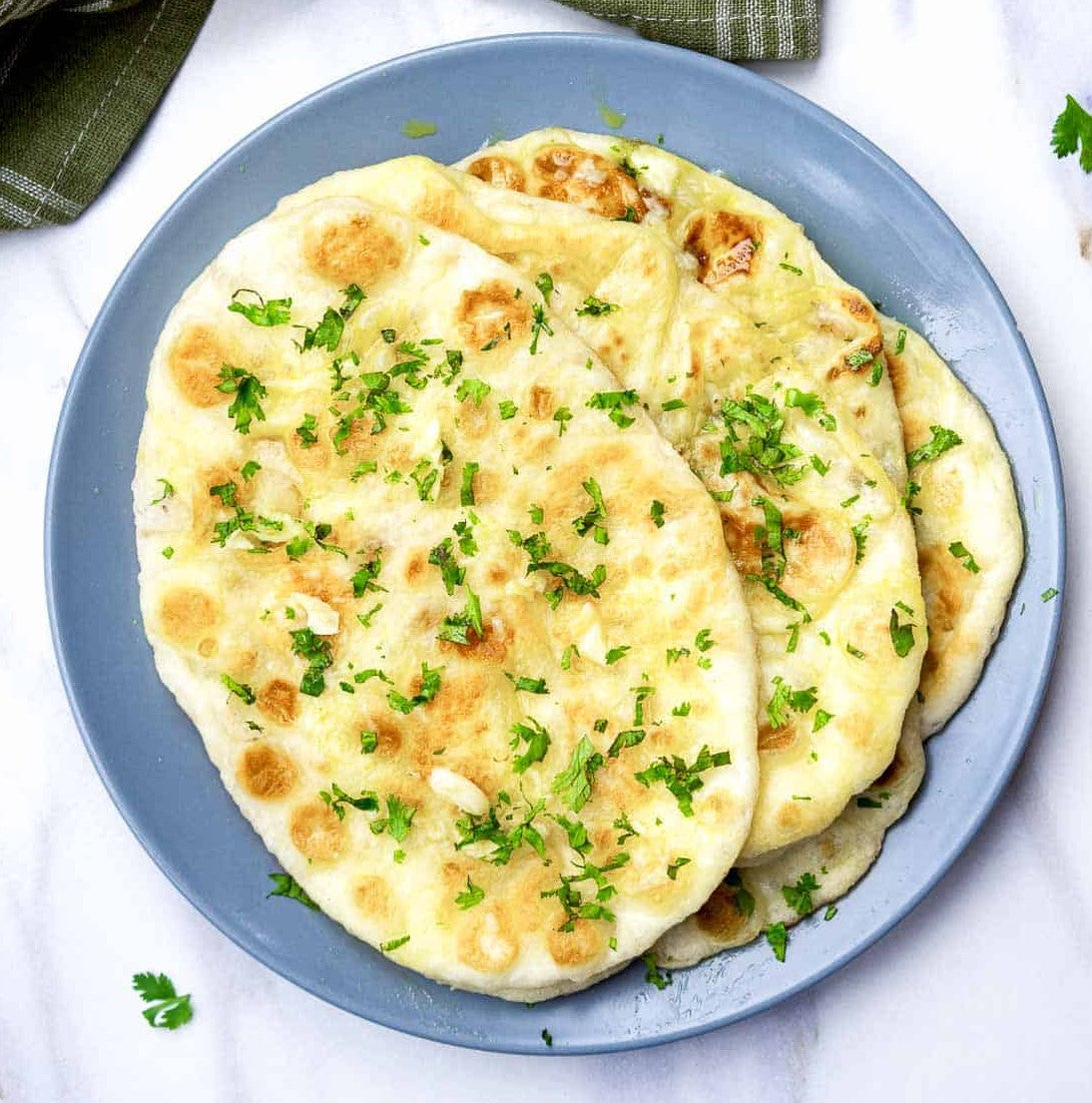
| Naan | Gluten-Free All-Purpose Blend | For the classic soft, chewy texture of naan, a good quality commercial GF blend with xanthan gum is usually the best bet. |
Getting comfortable with these flours opens up a huge range of possibilities, allowing you to enjoy all your favourite Indian breads without the gluten.
Foundational Spices And Aromatics
Spices are the very soul of Indian cooking. You don't need hundreds, but building a core collection of whole and ground spices is what will let you create those complex flavours everyone loves. While pre-made mixes are handy, buying individual spices gives you total control and peace of mind that there are no gluten-containing fillers hiding in there.
Your starting lineup should include:
- Cumin Seeds (Jeera): Essential for their warm, earthy aroma. You'll use them whole in tempering (tadka) or ground in spice mixes (masalas).
- Coriander Seeds (Dhania): These provide a bright, almost citrusy note when ground and are a key part of most curry powders.
- Turmeric Powder (Haldi): Famous for its vibrant yellow colour and anti-inflammatory properties, it adds a mild, peppery flavour.
- Mustard Seeds (Rai): These tiny powerhouses pop when heated in oil, releasing a sharp, pungent flavour that’s crucial for many South Indian dishes.
- Garam Masala: Remember, this is a finishing spice blend, not a curry powder. You add it right at the end of cooking for a final burst of warm, aromatic flavour. Always check the label to make sure it’s a 100% gluten-free blend.
You can often find a much wider and more authentic selection of these spices when you search for an international grocery store near you.
Natural Thickeners For Rich Curries
One of the best things about a great curry is its rich, luscious gravy. While some recipes might call for wheat flour as a thickener, there are far better, naturally gluten-free ways to get that perfect consistency.
Forget about using plain flour to thicken your sauces. The best gluten-free Indian recipes rely on ingredients that add both texture and flavour, like ground nuts or slow-cooked onions.
Instead of reaching for gluten, give these incredible natural thickeners a try:
- Coconut Milk or Cream: A must-have for South Indian cooking, it creates an unbelievably rich and creamy base for any curry.
- Ground Nuts: Soaking cashews or almonds and blending them into a paste will make your curry velvety and luxurious. It's a game-changer.
- Tomato Purée and Onion Paste: This is the traditional way. When you slow-cook onions and tomatoes, they break down completely, creating a thick, intensely flavourful gravy from scratch.
Adapting Breads, Curries, and Snacks
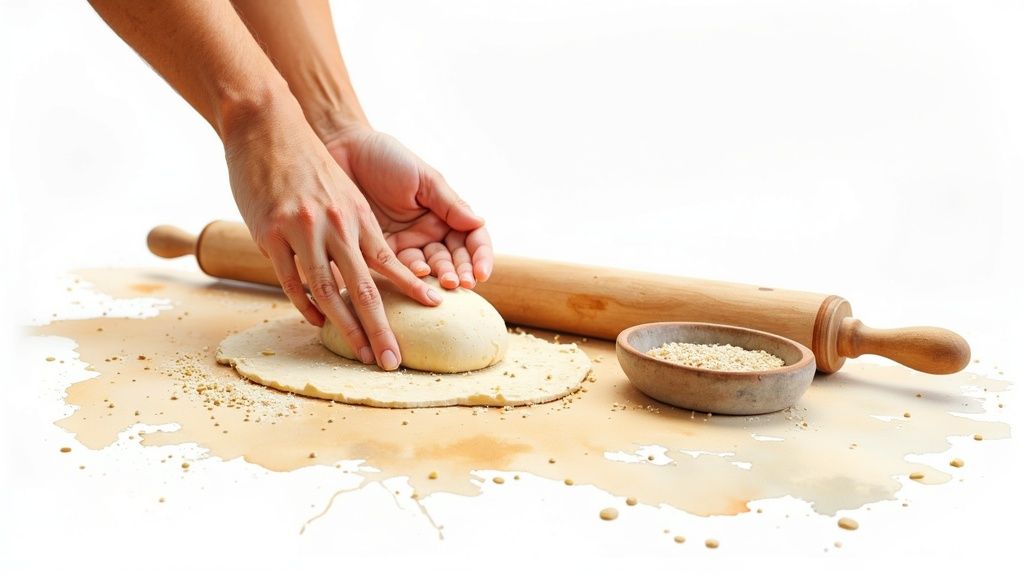
This is where the real fun begins. With a well-stocked pantry, you’re ready to transform classic Indian recipes into delicious, coeliac-friendly meals. Many people think going gluten-free means saying goodbye to favourites like naan, roti, samosas, and pakoras. That couldn't be further from the truth.
The secret is in a few key techniques and knowing where gluten often hides. It’s not about making a lesser version of the original; it’s about creating something equally incredible with different, yet just as delicious, ingredients. We'll show you how to nail the texture of flatbreads, thicken curries perfectly, and get that irresistible crunch on your favourite snacks.
Reinventing Indian Breads
Indian breads are the heart of so many meals, perfect for scooping up rich curries. The biggest challenge with gluten-free dough is replicating the elasticity that gluten provides. Without it, the dough can be crumbly and frustrating to roll.
The game-changer here is psyllium husk. When mixed with water, this natural fibre forms a gel that acts as a brilliant binder, giving your dough the stretch and pliability it needs. For a soft roti, I love a blend of jowar (sorghum) flour with a little tapioca starch, and about a teaspoon of psyllium husk for every cup of flour.
Here’s a practical tip from my own kitchen: always use warm water when making the dough. It helps to activate the psyllium husk and makes the flours much more cooperative, resulting in a softer, easier-to-roll flatbread. Let the dough rest for 10-15 minutes before rolling; this simple step allows the flour to fully hydrate and really improves the final texture.
Mastering Gluten-Free Curries
Thankfully, most Indian curries are naturally gluten-free. They build their rich consistency from slow-cooked onions, tomatoes, ground nuts, or creamy coconut milk. However, a couple of sneaky sources of gluten can trip you up, especially in store-bought products.
The most common culprit is commercial asafoetida (hing). This pungent spice is often compounded with wheat flour to prevent clumping. To be safe, always hunt for a brand that is explicitly labelled gluten-free or compounded with rice flour instead. It’s a small detail that makes a world of difference for anyone with coeliac disease.
The best gluten-free curries don't need fancy thickeners. Their rich, velvety texture comes from the ground up, using ingredients like blended cashews or a slow-simmered onion and tomato paste that add both flavour and body at the same time.
When a recipe does call for a thickener, forget wheat flour and reach for these superior alternatives:
- Besan (Chickpea Flour): Just make a slurry by mixing a tablespoon of besan with a little cold water. Stir it into your simmering curry for a lovely nutty flavour and a smooth, thick finish.
- Ground Cashews or Almonds: For an incredibly creamy and luxurious texture, soak a handful of cashews in hot water for 20 minutes, then blend them into a fine paste. This is the secret behind many restaurant-quality korma dishes.
- Tomato Purée: Don't underestimate the power of concentrated tomato. It adds not only thickness but also a deep, savoury flavour that forms the base of countless classic curries.
Using these methods will give you a gravy that is not only completely gluten-free but also more flavourful and authentic.
Creating Crispy Gluten-Free Snacks
Who can resist a crispy samosa or a crunchy pakora? Adapting these beloved snacks is surprisingly straightforward once you have the right flour combinations. The goal is to get a light, crispy texture that doesn't end up oily or heavy.
For the perfect pakora batter, besan (chickpea flour) is your best friend. It’s naturally gluten-free and fries up beautifully. To make it even lighter, mix in a tablespoon or two of rice flour—this simple addition guarantees an extra-crunchy coating for your vegetables or paneer. A pro tip: make your batter right before frying for the best results.
Samosa pastry is a bit more involved, as it needs to be both flaky and strong enough to hold a filling without breaking. A reliable gluten-free samosa dough can be made with a blend of:
- White rice flour
- Tapioca starch
- A small amount of besan for flavour and structure
Just like with the flatbreads, adding psyllium husk or a pinch of xanthan gum will provide the elasticity you need to roll the dough thin without it tearing.
For more snack ideas to complement your Indian treats, you can also check out this ultimate guide to gluten-free snack bars for some convenient on-the-go options. Making these smart adjustments ensures you never have to miss out on your favourite Indian flavours.
A Full Day of Gluten-Free Indian Meals
So, you’ve got the right ingredients and you know the basic techniques. Let's put it all into practice and see what a full day of delicious, satisfying gluten-free Indian eating actually looks like. From a vibrant breakfast to a hearty dinner, you can enjoy incredible, authentic meals without a trace of gluten.
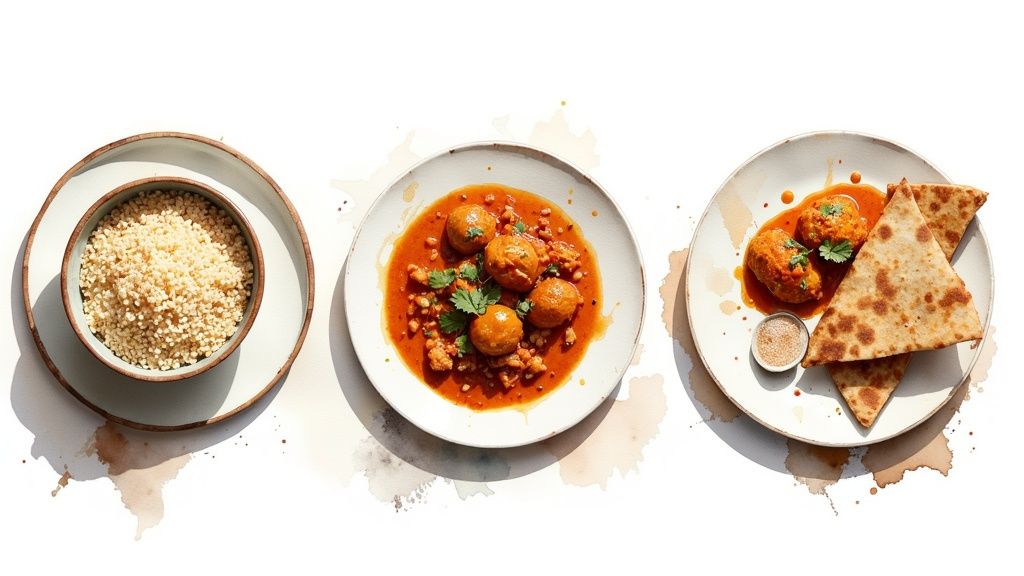
A Vibrant Gluten-Free Breakfast
Forget sugary cereals. Start your day with something savoury, light, and energising.
A classic choice I always come back to is Poha, a simple dish made from flattened rice flakes. It’s incredibly quick to whip up. Just give the poha a quick rinse, then sauté it with mustard seeds, turmeric, finely chopped onions, and curry leaves. I like to toss in some peas or roasted peanuts for extra protein and a bit of crunch.
Another brilliant option is Moong Dal Cheela. Think of them as delicate, savoury crepes made from a batter of soaked and blended moong lentils. I always season the batter with ginger, green chillies, and fresh coriander for a zesty kick. They cook in minutes on a hot pan and are perfect served with a side of mint chutney or plain yoghurt.
A Hearty Midday Meal
Lunch is the ideal time for a substantial, nourishing curry that will see you through the afternoon. A well-made curry is truly the heart and soul of gluten-free Indian cooking.
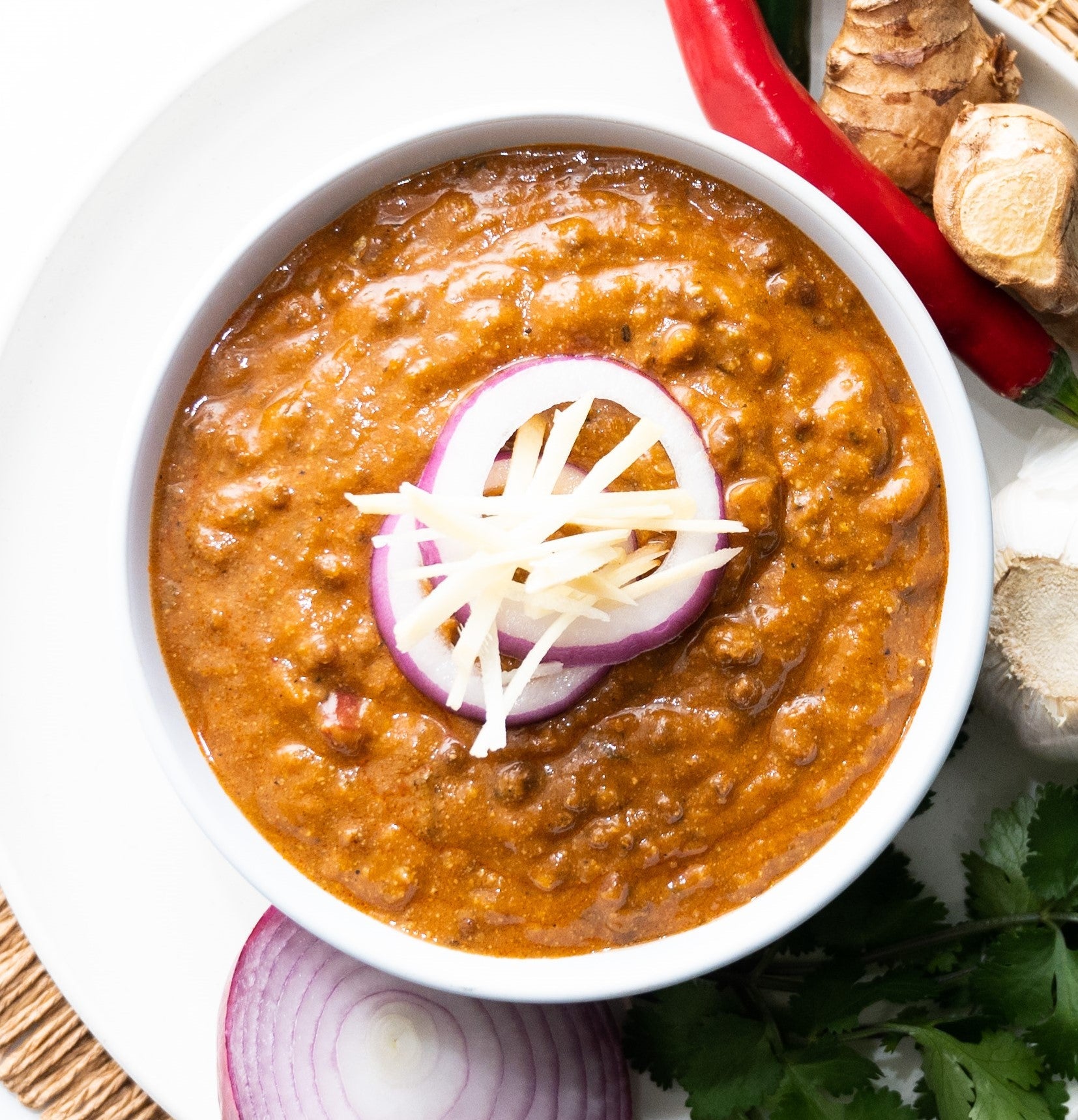
One of my favourites is Rajma Masala, a beloved kidney bean curry from North India. The magic is in the gravy—a rich, thick sauce made from a base of puréed onions, tomatoes, ginger, and garlic. The key is to let it simmer slowly, giving the spices like cumin, coriander, and garam masala time to really meld and deepen.
Instead of traditional naan or roti, try serving the rajma with fluffy quinoa. Quinoa is a complete protein, and its slightly nutty taste is the perfect partner for the earthy, spiced curry. It's a fantastic modern pairing that keeps the entire meal satisfyingly gluten-free.
A common mistake is rushing the curry base. The secret to that deep, restaurant-quality flavour is to patiently sauté the onion, ginger, and garlic paste until it's deeply browned and fragrant before you add the tomatoes. This step, known as 'bhunao', builds the essential foundation of flavour and can't be skipped.
Of course, some days cooking from scratch just isn't on the cards. For those moments, you can explore some of the best gluten free meal delivery services in Australia for convenient, ready-to-eat meals that don't compromise on that authentic taste.
A Show-Stopping Dinner Spread
Dinner is your chance to create a full Indian thali experience right at home, complete with a stunning main, a vibrant vegetable side, and a delicious flatbread.
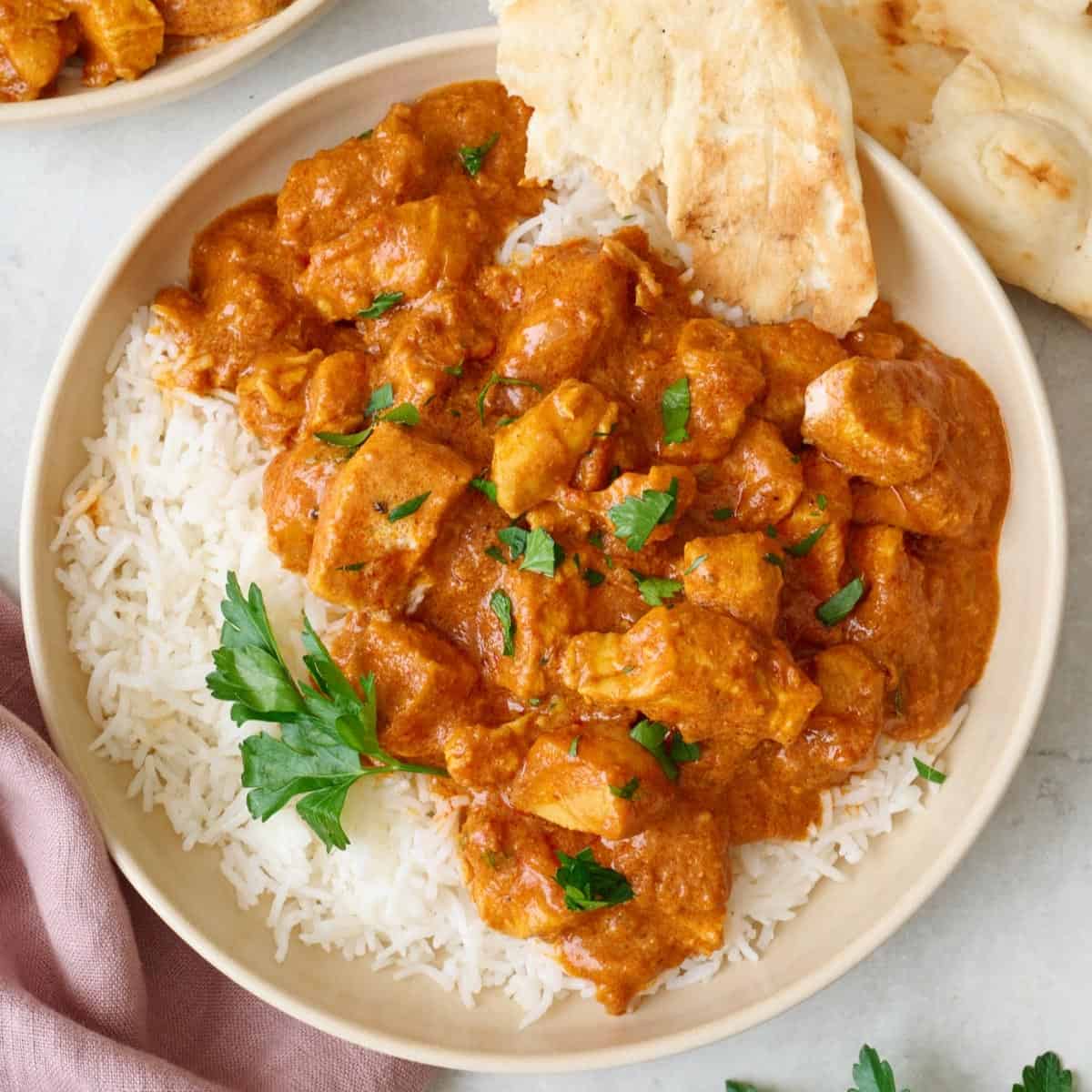
Main Course: Chicken Tikka Masala
A creamy, flavour-packed Chicken Tikka Masala is always a crowd-pleaser. Start by marinating boneless chicken pieces in a mix of yoghurt, lemon juice, ginger-garlic paste, and a certified gluten-free tandoori masala. Grill or pan-sear the chicken until it has a nice char, then simmer it in a luscious tomato-cashew gravy finished with a touch of cream. Blended cashews are the secret here—they act as a natural, gluten-free thickener, creating a truly velvety sauce.
Simple Vegetable Sabzi
To cut through the richness of the curry, a simple vegetable stir-fry, or sabzi, is perfect. Quickly stir-fry whatever is in season—green beans, carrots, and capsicum work beautifully—with popped mustard seeds, turmeric, and a pinch of salt. It adds a fresh, crunchy element to the plate and only takes minutes.
Homemade Bajra Rotis
Complete your dinner with homemade Bajra Rotis. These rustic flatbreads, made from pearl millet flour, have a wonderful nutty flavour that stands up really well to rich curries. The dough is just bajra flour, salt, and warm water. Cook them on a hot tawa (griddle) until they puff up, then brush them with a little ghee for a perfect finish.
With a simple plan like this, you can see how easy it is to enjoy a full day of diverse, delicious, and completely gluten-free Indian food. It just goes to show that with the right ingredients and a few good recipes, you never have to miss out on the authentic tastes you love.
Meal Prep for Easy Weeknight Dinners
Let's be honest, the real secret to sticking with homemade gluten-free Indian cooking is making it easy. After a long day, the siren song of takeaway is hard to ignore. This is where meal prep becomes your best friend, transforming a potential weeknight chore into a simple, satisfying heat-and-eat meal.
Just a couple of hours on a Sunday can completely change your week. It’s not about cooking five different meals from scratch, but rather getting the building blocks ready. This way, assembling a delicious dinner on a Tuesday night feels effortless.
The Magic of a Base Curry Gravy
My absolute favourite meal-prep hack is to cook up a big batch of a versatile, gluten-free base curry gravy. This is the flavour engine for so many dishes, usually a simple, slow-cooked blend of onions, tomatoes, ginger, garlic, and classic Indian spices.
Think of this gravy as your blank canvas. Once it’s cooked, let it cool down completely before portioning it into freezer-friendly containers or bags. Now, when a busy weeknight hits, you're already halfway there.
- Craving Paneer Masala? Sauté some paneer cubes, add them to your thawed gravy, and let it all simmer together for 10 minutes. Done.
- Need a quick Chicken Curry? Throw in some pre-cooked chicken pieces and just let them warm through in the sauce.
- Want a wholesome Veggie Korma? Toss in a handful of frozen mixed veg or chickpeas and simmer until everything is tender.
This one step alone can slash your active cooking time to less than 15 minutes. Suddenly, a homemade Indian dinner feels genuinely achievable. Of course, a good prep session starts with good organisation, and that's where planning your weekly meals effectively can make all the difference.
The point of meal prep isn't to eat the same thing all week. It's about creating flexible components—like a base gravy or cooked lentils—that you can quickly turn into different and exciting gluten-free Indian recipes each night.
Storing and Freezing for Maximum Flavour
How you store your prepped food is just as important as how you cook it. Getting this right means your meals will taste fresh and vibrant, not like they've been sitting in the freezer for a week.
Freezing Dals and Curries
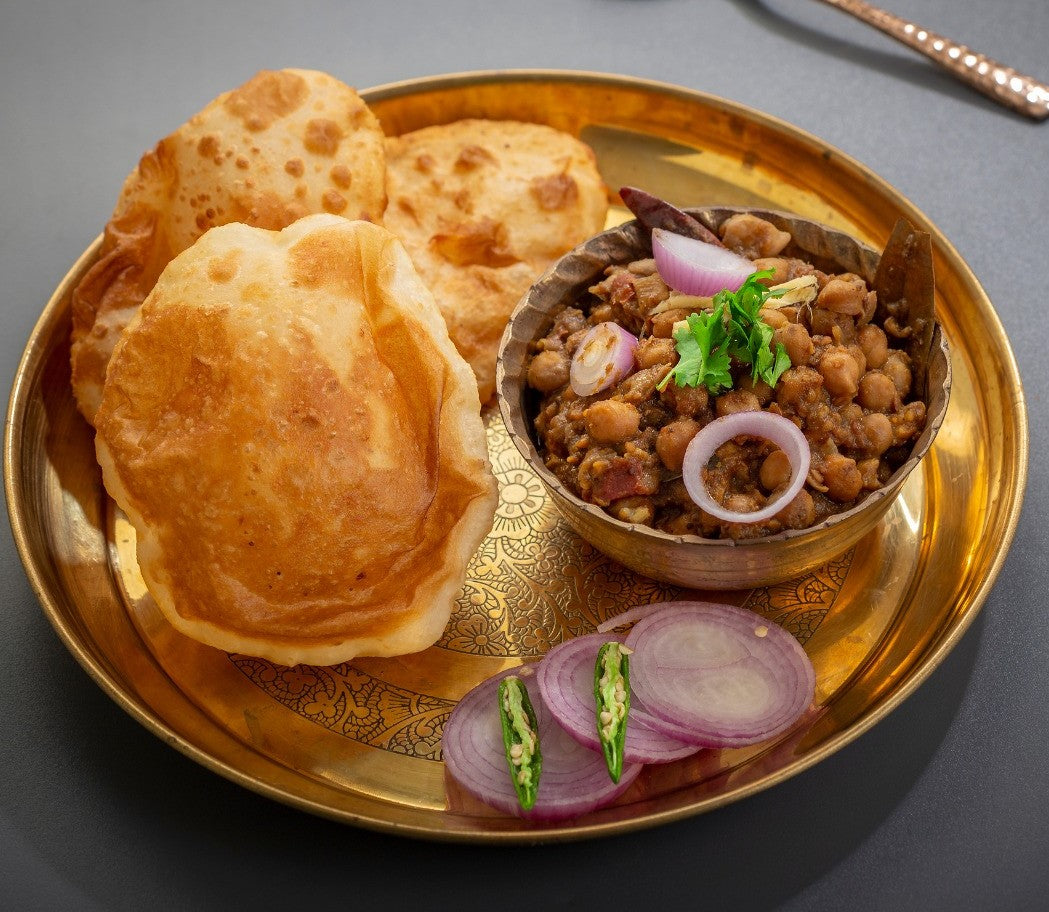
Lentil dals and bean curries like rajma masala are perfect for freezing. The trick is to let them cool completely before you put them in airtight containers. Always leave a little space at the top, as they’ll expand when frozen. When it's time to reheat, you might need a small splash of water to get the consistency just right again.
Storing Gluten-Free Flatbreads
Gluten-free rotis, especially those made from bajra or jowar flour, can dry out pretty quickly. To keep them soft, wait until they've cooled, then stack them with a small piece of baking paper between each one. Store the whole stack in a sealed container or zip-top bag in the fridge for up to three days. A few seconds on a warm, dry pan is all they need to come back to life.
The Instant Flavour Boost: Tadka
One of my best-kept secrets for reviving pre-cooked dishes is to finish them with a fresh tadka (also called tempering). This is where you heat a little ghee or oil and sizzle whole spices like cumin seeds, mustard seeds, and dried red chillies until they pop and release their incredible aroma.
You can even prep a dry "tadka mix" by combining your favourite whole spices in a small jar. When you're reheating a dal or curry, just heat a teaspoon of oil, sizzle the spice mix for 30 seconds, and pour it right over your dish. It’s a simple, last-minute touch that adds a huge burst of flavour and makes the meal taste like you just made it from scratch.
Your Gluten-Free Indian Cooking Questions Answered
Starting out with gluten-free Indian cooking can bring up a few questions. From swapping flours to double-checking ingredients, it's easy to feel a bit unsure at first. Let's clear up some of the most common queries so you can get into the kitchen and cook with confidence.
Think of this as your quick-start guide for those moments when you're wondering, "am I doing this right?" With these answers, you'll know exactly what to look for and how to handle any recipe that comes your way.
Is Most Indian Food Naturally Gluten-Free?
Yes and no. A huge amount of Indian food is naturally gluten-free, which is fantastic news! The heart and soul of the cuisine—things like lentils (dal), rice, vegetables, and most curry gravies—are perfectly safe. This makes it a brilliant choice for anyone with coeliac disease or gluten sensitivity.
The main things to watch out for are the famous Indian breads. Classics like naan, roti, and paratha are all made with wheat flour. You'll also find gluten hiding in some popular snacks, like the crispy pastry of a samosa, or in dishes made with semolina (sooji), such as upma or some types of halwa.
A sneaky ingredient to always check is asafoetida (hing). This pungent spice is often mixed with wheat flour to keep it from clumping. To be safe, always hunt down a brand that is explicitly labelled "gluten-free."
What's the Best Gluten-Free Flour for Roti?
There’s no single "best" flour here—it really comes down to what kind of flatbread you're in the mood for. Each flour brings its own unique flavour and texture to the table.
- For soft, pliable rotis: I've found that a blend of jowar (sorghum) flour with a touch of tapioca starch and a pinch of psyllium husk for binding works wonders. The result is surprisingly close to a traditional whole-wheat roti.
- For earthy, rustic flatbreads: You can't beat bajra (pearl millet) flour. It creates a denser, more robust bread with a lovely nutty flavour that stands up beautifully to a fiery curry.
- For savoury crepes (cheela): Besan (chickpea flour) is the undisputed champion. It whips up into incredibly tender, protein-packed crepes that are perfect for a quick breakfast or a light lunch.
Getting to know these flours and playing around with them is half the fun of creating your own signature gluten-free Indian recipes.
How Can I Thicken Curries Without Wheat Flour?
This is actually one of the easiest gluten-free swaps you can make. Authentic Indian cooking is already packed with brilliant, natural thickeners that add way more flavour and texture than plain old wheat flour ever could.
Forget the flour slurry entirely. To get that rich, velvety gravy, you have so many better options.
A paste made from soaked and blended cashews or almonds will give your curry a luxurious, creamy finish. For a more traditional method, simply slow-cooking a base of finely pureed onions and tomatoes until they completely break down creates an incredible depth of flavour and a naturally thick base. Other great choices include full-fat coconut milk, a good quality tomato purée, or even a slurry made by whisking a little besan with cold water before adding it to the pot.
Feeling inspired but a bit short on time? The Jewel of Asia menu has a huge range of delicious, chef-prepared gluten-free meals that can be delivered right to your home. Check out our convenient, preservative-free options and enjoy authentic Indian flavours without any of the fuss. Find your next favourite meal at https://www.jewelofasia.com.au.
Share