



Finding the Best Indian Catering Melbourne Offers
Organising food for any event can feel like a massive task, but I've found that locking in some incredible Indian catering in Melbourne is actually a lot simpler than most people think. It all boils down to one thing: getting a crystal-clear picture of your event's needs before you even think about menus.
Planning Your Melbourne Event with Indian Catering

You've made a great choice. Indian cuisine is easily one of Australia's most loved, and for good reason. It's incredibly versatile, fitting perfectly whether you're planning a casual office lunch with tasty wraps and biryanis or going all out for a wedding with multiple courses and even live cooking stations.
The numbers don't lie. Indian food is the second most searched-for cuisine in the country, racking up over 21.3 million searches. On top of that, Indian restaurants account for a solid 14% of all restaurants nationwide. This isn't just a trend; these flavours are a huge part of Aussie food culture, especially here in Melbourne. You can dig into more of these stats in this insightful report.
First Things First: What's the Vibe?
Before you start dreaming of butter chicken and samosas, let's nail down the basics of your get-together. The style of your event is going to dictate everything that follows. Are we talking about a formal sit-down dinner, a laid-back buffet where guests help themselves, or a cocktail party with staff weaving through the crowd with appetisers? Each one needs a totally different menu and service plan.
To get started, just think about these three things:
- What kind of event is it? A corporate lunch might need slick, professional service with individually packed meals. A big family birthday, on the other hand, is perfect for big, shareable platters.
- How many people are coming? This is your most important number for budgeting and logistics. A good headcount means you won't run out of food or be left with mountains of it at the end.
- What atmosphere are you going for? Do you want elegant and sophisticated or vibrant and fun? The food is your secret weapon for setting the tone—from spicy street food snacks to rich, comforting curries.
Your event vision is your roadmap. Once you know your event type, guest count, and the atmosphere you want to create, every other decision—from choosing the menu to the service style—just falls into place.
Getting these fundamentals sorted right from the start is the key to a smooth-running, stress-free event. With this clarity, you can confidently move on to the fun part: figuring out portions and designing a menu that will have everyone talking.
Nailing Your Guest Count and Food Portions
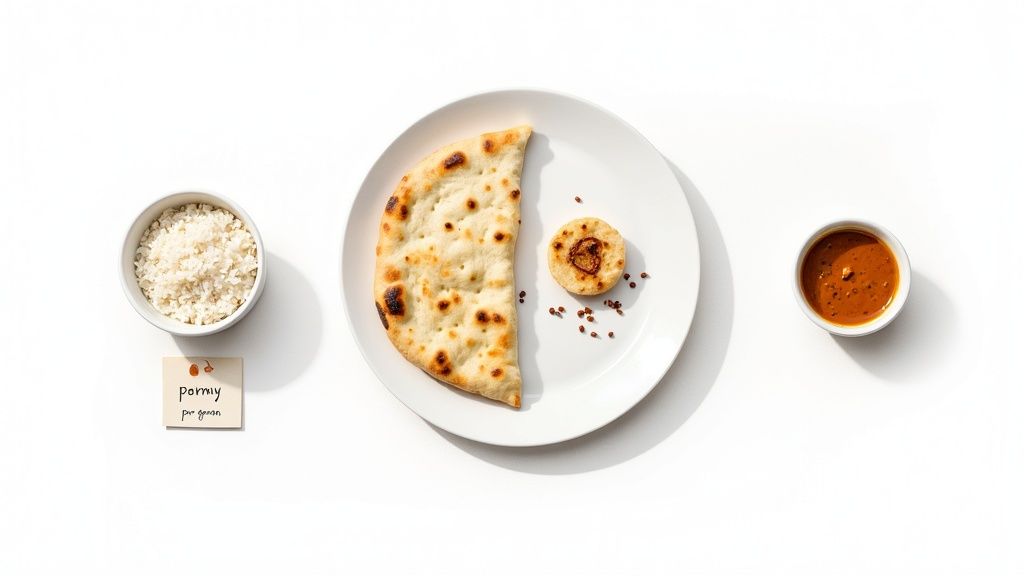
One of the biggest anxieties when planning any event is getting the food right. Order too little, and you're left with hungry guests. Order too much, and you've got a mountain of leftovers and a bruised budget. From my experience, getting your guest count and portions spot on is the key to a flawless feast.
It all starts with a solid RSVP count. But let's be realistic—life happens. Some people will inevitably be no-shows, while others might surprise you with a plus-one. A little trick I've picked up over the years is to build in a small buffer.
If you have 100 confirmed guests, for instance, I’d suggest planning your catering for about 105 people. This tiny margin gives you breathing room for last-minute additions and ensures everyone leaves happy, all without creating a tonne of waste.
How Your Event Style Shapes the Menu
The way people eat changes dramatically depending on the event format. A casual, standing cocktail party is a world away from a formal seated dinner, and your food order needs to reflect that.
Think about these common scenarios for your Indian catering in Melbourne:
- Standing Cocktail Party: People will be mingling and grazing on smaller bites. For a two-hour event, aim for about 8-12 appetiser pieces per person. Think samosas, pakoras, and kebabs.
- Seated Buffet Dinner: This is where guests will have a proper meal. Most people will fill one plate, but many will go back for seconds of their favourite curry. Plan accordingly.
- Formal Plated Dinner: Here, the portions are pre-determined by the caterer. The focus is less on volume and more on a beautifully structured, multi-course meal.
A crucial thing to remember is that the longer the event, the more food you’ll need. If your party is pushing past three hours, think about adding a late-night snack. Mini samosas or a spicy chaat station can be a lifesaver for keeping the energy high.
Planning Mains, Rice, and Breads
When you get to the heart of the meal—the curries, rice, and naan—a few simple guidelines can make ordering a breeze. The goal isn't to order one of everything, but to create a balanced, appealing spread.
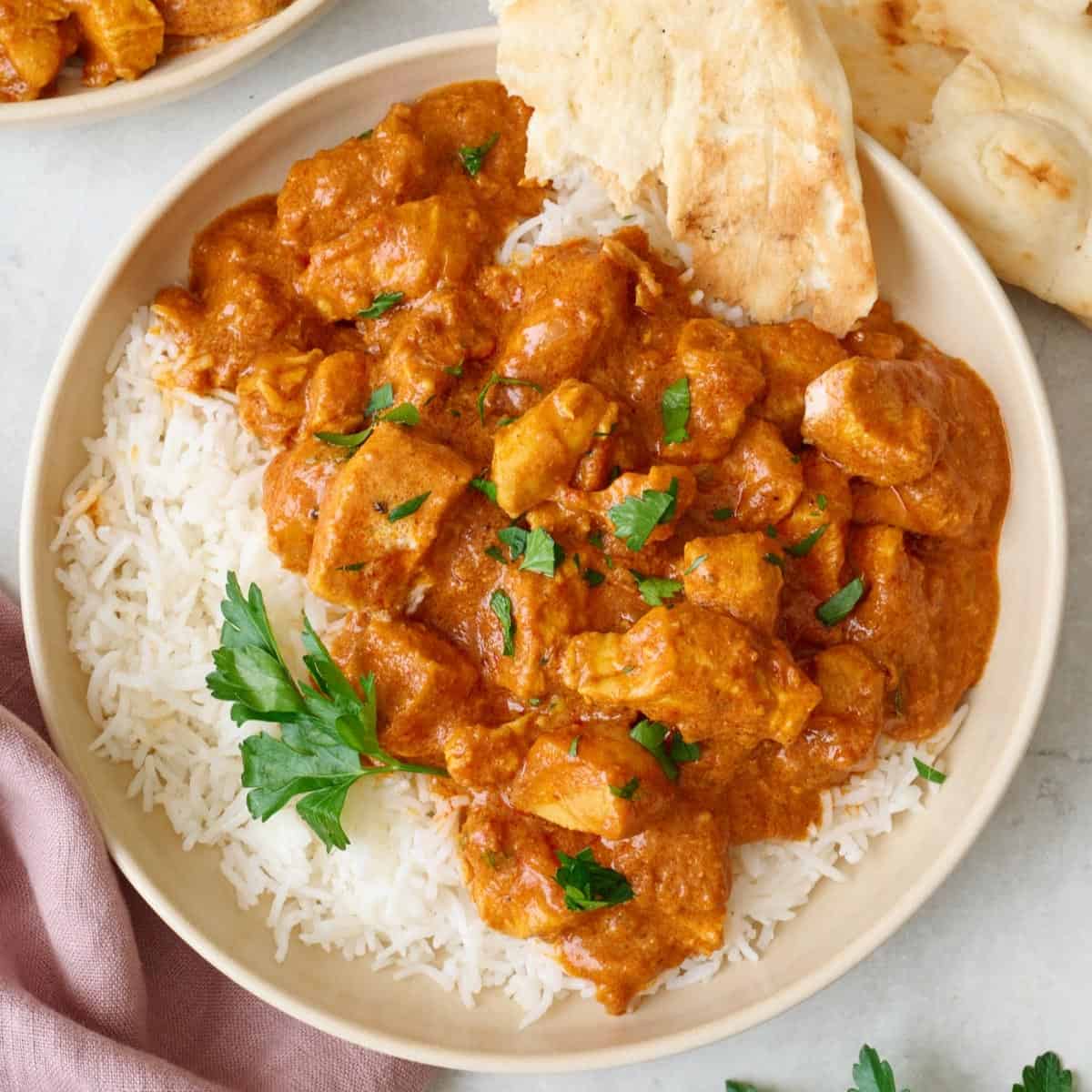
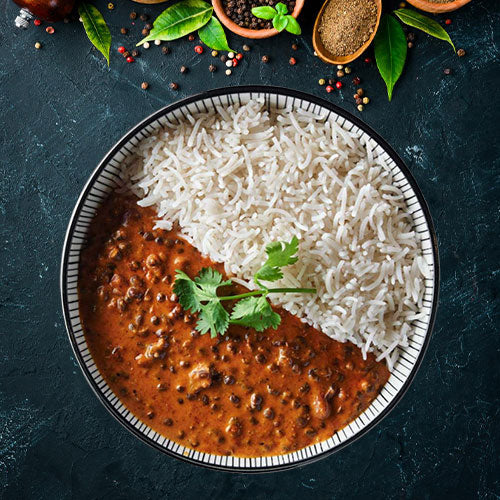
A great starting point for a dinner buffet is to offer two or three different main curries. I always recommend a mix, like a classic Butter Chicken alongside a rich Lamb Rogan Josh and a flavourful Dal Makhani or Palak Paneer. This variety ensures there's something for every palate.
Here is a quick reference table I use to help map out quantities.
Sample Portion Planning Guide Per Guest
| Dish Category | Recommended Serving Size Per Person | Planning Notes |
|---|---|---|
| Curries (Total) | 250-300 grams | This is the total amount across all curry options. If offering 3 curries, divide this amount by 3. |
| Rice (Cooked) | 1 to 1.5 cups | Basmati or pilau rice. It's always better to have a little extra rice on hand. |
| Naan Bread | 1 full naan | This averages out well; some guests will have half, others might have one and a half. |
| Entrées/Appetisers | 3-4 pieces | For a pre-dinner appetiser before a main meal. |
| Raita/Yoghurt | 2-3 tablespoons | A small serving as a cooling accompaniment to the main dishes. |
This table provides a solid foundation, but don't forget the human element.
Think about who's coming. An event with lots of kids will require smaller portions, while a 21st birthday party with a crowd of hungry young adults might mean you need to bump up the quantities. The best thing you can do is have an open chat with your caterer. They've seen it all and can give you tailored advice based on your menu and guest list.
Designing a Menu to Impress Every Guest
The menu is the heart of your event. And when it comes to Indian food, you've got an incredible palette of flavours to play with. Putting together the perfect menu isn't just about picking your personal favourites; it's about creating a balanced, thoughtful experience that everyone can enjoy. The goal is a spread that feels inclusive and, of course, absolutely delicious.
This is your chance to really wow your guests. It’s no secret that Aussies are craving more authentic, diverse food experiences. In fact, Australia's ethnic food market was projected to jump from about $800 million in 2018 to over $1.3 billion by 2024. That’s fantastic news for anyone planning an event with Indian catering in Melbourne, because it means your guests are ready and excited for genuine flavours.
Creating Balance with Flavour and Spice
I've seen it happen before: a menu loaded with dishes that are all a bit too similar. A truly memorable Indian feast takes your guests on a journey, moving from mild and creamy to rich and tangy.
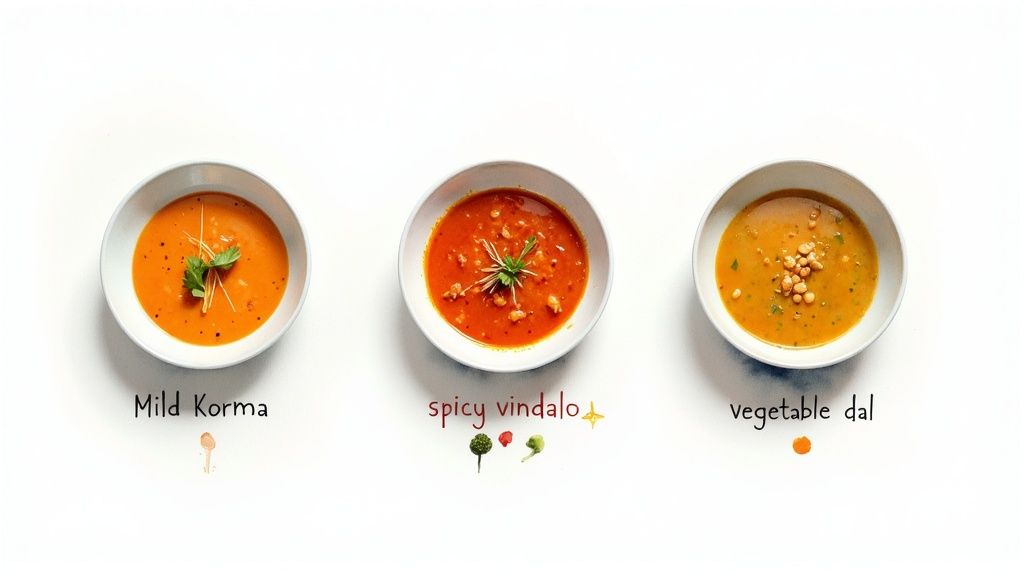
You’ve got to think about spice levels. Not everyone can handle a fiery vindaloo, but you’d be hard-pressed to find someone who doesn't love a good Butter Chicken or a creamy Korma. The trick is to offer a spectrum of heat:
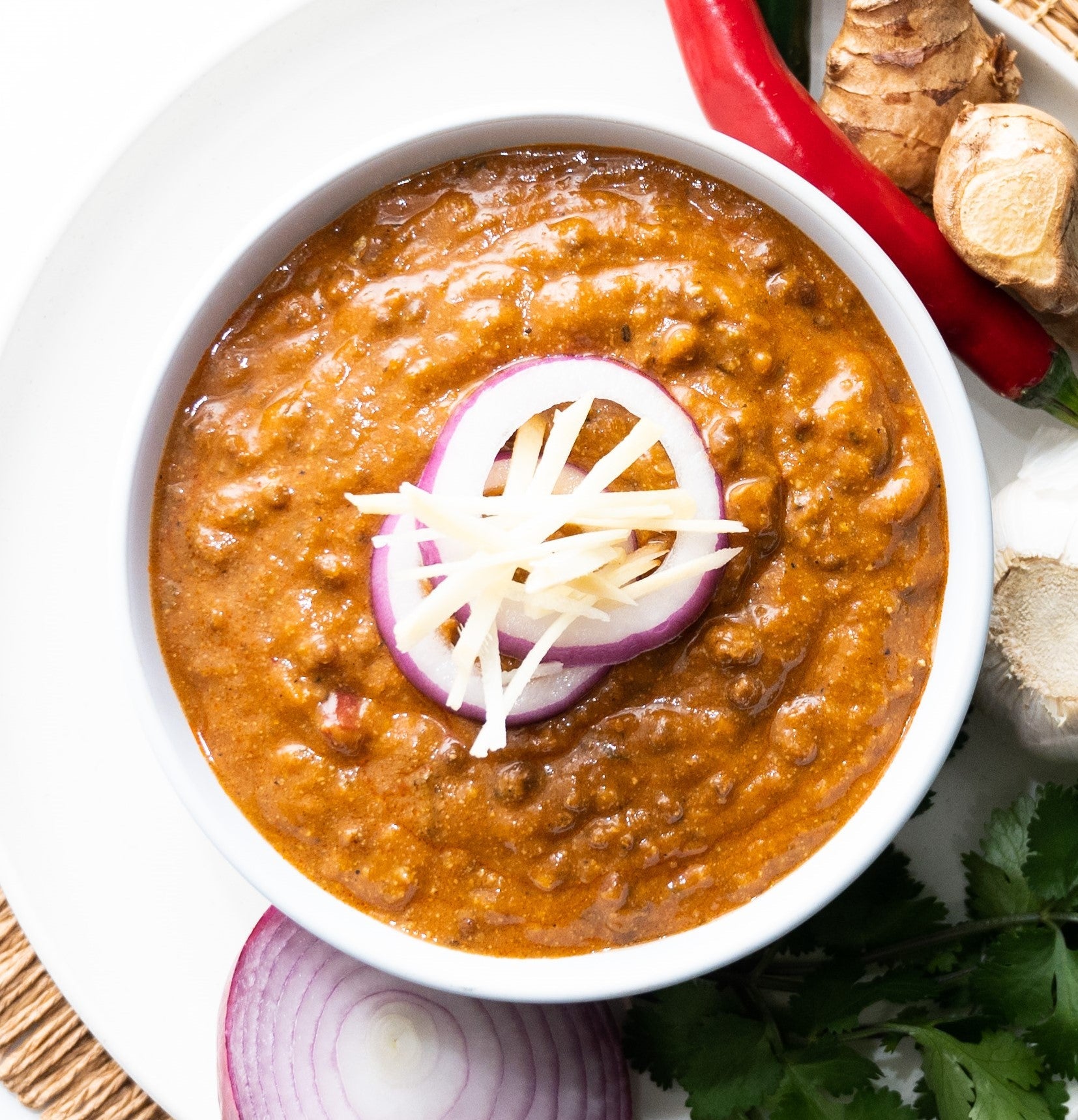
- Mild & Creamy: Dishes like Butter Chicken, Navratan Korma, or a rich Dal Makhani are always safe bets, especially for kids or guests who prefer less heat.
- Medium & Aromatic: Think of classics like Lamb Rogan Josh or Chicken Tikka Masala. They deliver that beautiful depth of flavour without being overwhelming.
- Bold & Spicy: For the adventurous eaters, a well-made Vindaloo or a Madras curry can be the star. Just make sure it’s clearly labelled so there are no surprises!
A little pro-tip: Balance out those rich, heavy curries with lighter options. A simple lentil dal, a fresh raita (yoghurt dip), or a kachumber salad helps cleanse the palate and keeps the meal from feeling too heavy.
Accommodating Dietary Needs with Ease
These days, catering for different dietary needs isn't just a nice-to-have; it's essential. The brilliant thing about Indian cuisine is that so many dishes are naturally vegetarian, vegan, or gluten-free, which makes your job a lot easier.
The best approach is to get this information from your guests early on, maybe as part of the RSVP. It's a simple step that makes a world of difference to your caterer.
Common Dietary Accommodations
Here are some go-to Indian dishes that tick all the right boxes for common dietary requirements:
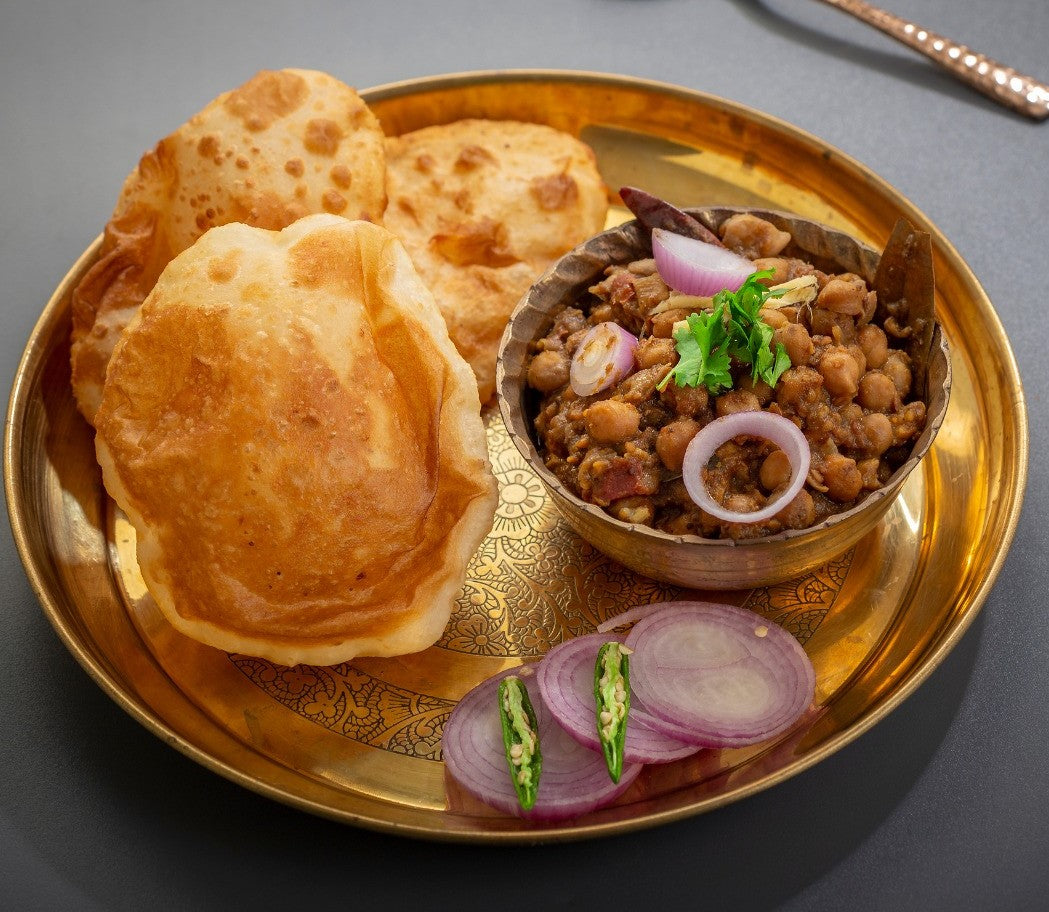
- Vegetarian: This is where Indian cooking truly shines. You can't go wrong with crowd-pleasers like Palak Paneer (spinach and cottage cheese), Malai Kofta (vegetable dumplings), or Chana Masala (chickpea curry).
- Vegan: Many lentil (dal) and vegetable dishes are already vegan or can be easily adapted by asking the caterer to use oil instead of ghee. Aloo Gobi (potato and cauliflower) and Baingan Bharta (a smoky eggplant mash) are fantastic vegan mains.
- Gluten-Free: Good news! Most curries and all rice dishes are naturally gluten-free. The main things to flag are breads like naan and pastries like samosas. You could ask about rice-flour alternatives to be extra thoughtful.
Make sure you communicate these needs clearly to your caterer. Any professional Indian catering service in Melbourne will know exactly how to handle this and prevent cross-contamination, ensuring every single guest feels looked after. Once the food is sorted, learning some expert tips on how to set up a buffet table can really elevate the whole experience.
Getting to Grips with Catering Costs and Your Budget
Let's talk numbers. Figuring out the budget is often the least glamorous part of party planning, but getting it right from the start saves a world of stress. When you begin your search for Indian catering in Melbourne, you’ll find most quotes are priced "per head". Simple enough, right? Well, the devil is in the detail of what that per-head cost actually covers.
Typically, that price gets you the food – the delicious curries, entrées, rice, and naan you've chosen for your guests. The real trick is to look beyond the menu and understand all the other potential costs that can creep in. Getting clarity on this early on is the key to avoiding any nasty surprises when the final bill arrives.
What Shapes Your Final Quote?
A few key things will make your catering quote go up or down. Knowing what they are means you can pull the right levers to stay within your budget, without having to sacrifice a fantastic feed for your guests.
Here are the main factors to consider:
- The Menu Itself: A classic, crowd-pleasing menu featuring favourites like Butter Chicken and a hearty vegetable korma will always be kinder on your wallet. If you start adding premium ingredients like king prawns or intricate dishes that take a lot of prep, the cost will naturally reflect that.
- How You Want It Served: The most budget-friendly route is always a simple drop-off of chilled, ready-to-heat food packs. If you need staff on-site to set up a buffet, serve guests, and handle the clean-up, that full-service approach will come at a higher price point.
- Your Event's Location: Don't forget about logistics. Caterers often build in a cost for travel time and distance, particularly if your venue is a bit of a trek from their kitchen. It's always smart to ask if they have a standard service area in Melbourne and if any surcharges apply for going beyond it.
Here’s a pro tip: be upfront about your budget. A good caterer isn’t there to upsell you on things you don't need. They'll work with you, suggesting clever menu swaps or different service styles to get you the most bang for your buck.
Must-Ask Questions for Your Caterer
To get a quote you can actually rely on, you need to ask some direct questions. This isn't about being difficult; it's about making sure you’re comparing apples with apples between different caterers and that there are absolutely no hidden costs.
Before you sign anything, get clear answers to these questions:
- Is GST included in the price you’ve given me?
- What about plates, cutlery, and serving gear – is that part of the per-head cost?
- What are the specific charges for delivery or for any on-site staff?
- Do you have a minimum spend or a minimum number of guests for this package?
- What are your payment terms? (Think deposit amount and when the final balance is due).
Keep this list handy when you're making calls. It ensures you've covered all the important bases. For a broader look at managing your event finances, these expert event budgeting tips can be a huge help. And if you're still exploring menu ideas, our guide to Indian cuisine catering is a great place to start understanding your options.
Delivery vs. On-Site Service: What's Right for Your Event?
How your food arrives and is served can completely change the vibe of your event. When you’re organising Indian catering in Melbourne, you’ll usually come across two main options: a simple, no-fuss delivery or a full-blown on-site service.
Each has its perks, and the best fit really comes down to your event's style, the venue you've chosen, and of course, your budget. Let’s look at what each one involves so you can make a call that feels right for the day you’re planning.
The Simplicity of Catering Delivery
Think of catering delivery as the ultimate ‘plug-and-play’ option. All your delicious dishes show up chilled and ready to go, giving you total freedom over when and how you serve everything. It’s a brilliant, budget-friendly choice for more casual affairs like an office lunch, a big family get-together, or a relaxed birthday bash where you don’t need service staff.
While it’s a very straightforward process, there are a few things to keep in mind to make sure the food is just as incredible as when it left our kitchen.
- Store It Right: As soon as your delivery arrives, pop it straight into the fridge unless you plan on heating it up immediately. Keeping everything chilled below 5°C is crucial for food safety.
- Reheat to Perfection: Most dishes, especially curries and biryanis, come back to life beautifully in the microwave or on the stovetop. You want to get them steaming hot all the way through – that’s the sweet spot for both flavour and safety. For breads like naan, a few minutes in a warm oven or a dry pan will bring back that soft, fluffy texture we all love.
- Serve with a Bit of Flair: Don't just serve from the containers! Transferring the heated food to your own serving bowls and platters makes a huge difference. A little bit of presentation effort can really elevate the whole dining experience for your guests.
For more handy tips on getting the most out of your delivered meals, check out our guide on Indian food delivery in Melbourne.
The Full Experience: On-Site Service
Choosing on-site service transforms your meal into an event in its own right. This is the way to go for weddings, major corporate events, or any celebration where you want a completely seamless, hands-off experience. The catering team doesn't just drop off the food; they become a key part of making your event run smoothly.
So, what does a full-service package actually include?
You'll get a team of professional staff, from chefs who handle the final cooking and plating on-site to servers who manage the buffet or wait on tables. They also bring all the gear – think chafing dishes (bain-maries) to keep the curries perfectly warm, all the serving utensils, and sometimes even the plates and cutlery.
Choosing on-site service is about more than just food; it’s about investing in peace of mind. You’re free to actually enjoy the party and mingle with your guests, knowing that every little detail is being professionally managed.
At the end of the day, your choice boils down to what matters most to you. Delivery offers fantastic flexibility and is easy on the wallet, putting you in control. On-site service, on the other hand, provides a polished, worry-free experience that lets you feel like a guest at your own event.
Finalizing Your Catering Booking with Confidence
You’ve done the hard yards—you’ve picked the perfect menu and decided on a service style. Now, it's time to lock it all in. This last part is all about clear communication and getting the details squared away, ensuring your Indian catering in Melbourne goes off without a hitch.
The secret to a stress-free event is simple: give yourself plenty of time. For big occasions like weddings or during the busy Christmas period, I always recommend getting in touch with your caterer three to six months in advance. If it’s a smaller, more casual get-together, four to six weeks is usually a safe bet.
The Booking Timeline Breakdown
Securing your caterer isn’t just a one-click affair; it’s a short process that ensures you and your catering team are on the same page. Think of it as building a shared plan for your event.
This process guarantees a smooth experience, whether you're grabbing convenient takeaway packs or going all out with full on-site service.
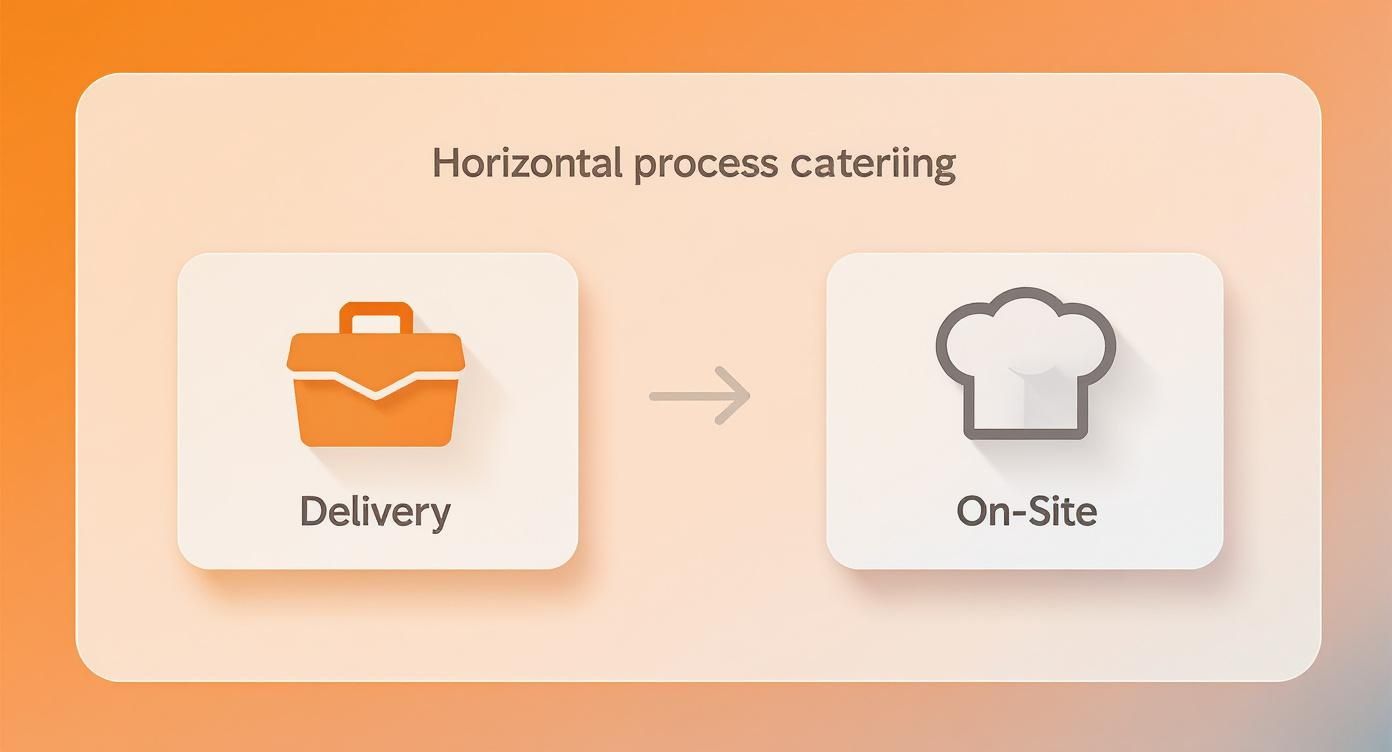
Ultimately, the choice between delivery and on-site service really just boils down to the vibe you want for your event and your practical needs on the day.
Here’s what you can typically expect:
- Review the Contract: Go through the catering agreement with a fine-tooth comb. It should spell out everything—the menu, service style, total cost, payment schedule, and the cancellation policy. This little document is your safety net, making sure there are no surprises later.
- Pay the Deposit: Most caterers will ask for a deposit to officially secure your date, which is usually around 25-50% of the total bill. This confirms your booking and lets them get the ball rolling on ordering ingredients and rostering staff.
- Confirm Final Numbers: About one to two weeks before the big day, your caterer will need a final headcount. This is also your last chance to flag any last-minute dietary requirements you've just learned about.
Double-Checking the Details
When you're finalising everything, especially if you're booking online, take a moment to triple-check your order. Pay special attention to the delivery details—confirm the address, the contact person's name and number, and any tricky instructions for finding the venue or getting access. You can see how a simple online system works by browsing our Indian catering packs.
One last read-through of your order before you hit 'confirm' is probably the most important thing you'll do. It takes less than a minute to verify the delivery date, time, and menu items are all correct, and it can save you from a world of last-minute stress.
Once those details are confirmed and the final payment is sorted, you can officially tick "catering" off your to-do list. Now, you can actually relax and look forward to sharing an incredible, authentic Indian feast with your guests.
Share