



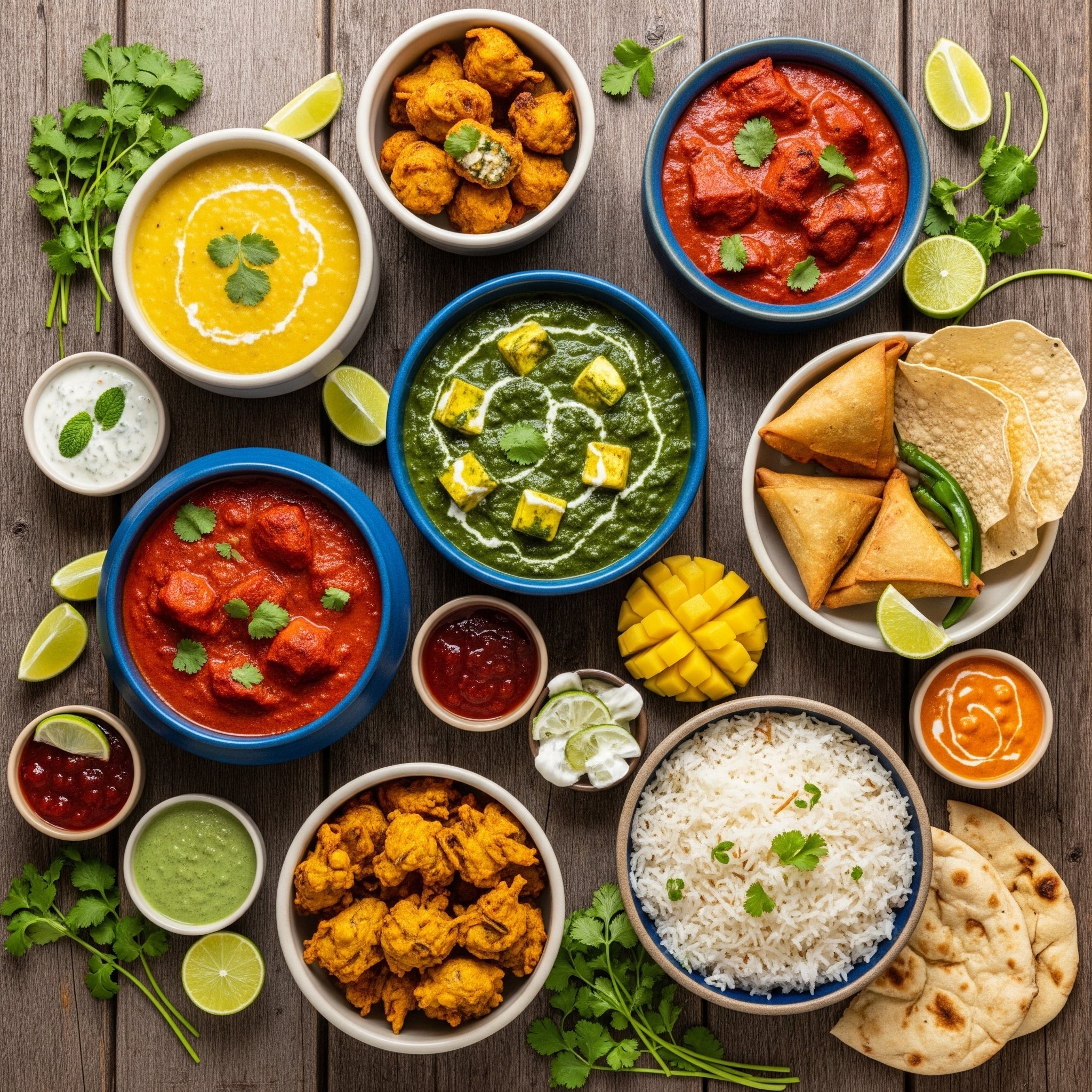

A Guide to Healthy Ready Made Meals in Australia
Let's be real for a moment. For years, the term 'ready meal' probably brought to mind a sad, soggy tray of something best forgotten. We've all been there.
But that old stereotype? It's completely out of date. We're now in a whole new ball game, where healthy ready-made meals are the reliable, go-to solution for Aussies juggling a million things at once.
This is more than just shaving a bit of time off your weeknight dinner prep. It's a genuine shift in how we think about food, fuelled by a collective demand for quality meals that don't chain us to the kitchen. From busy professionals to students burning the midnight oil, people are discovering a smarter way to eat well.
A Market That Understands Our Busy Lives
You don't have to take my word for it—the numbers speak for themselves. The Australian ready meals market is booming, driven by our hectic schedules and the non-negotiable need for food that’s both quick and genuinely nourishing.
In 2024, the market hit an incredible AUD 2.84 billion, and it's on track to reach AUD 4.93 billion by 2034. That kind of growth points to a massive cultural change: we’re no longer willing to trade our health for a little bit of convenience. We want both.
A huge part of this transformation comes from big leaps in food science and packaging. Modern techniques lock in the flavour, texture, and nutrients, ensuring the meal you eat at home is just as good as when it left the kitchen.
It's also fascinating to see how packaging technology has evolved. You can dive deeper into the world of smart and sustainable packaging innovations that keep meals fresh while also looking after the planet.
This guide is designed to help you cut through the noise. I'll show you how to find the truly healthy gems and sidestep the cleverly disguised junk, so you can make choices that actually work for you and your body.
What Actually Makes a Ready Meal Healthy?
Let's be honest, the term 'ready meal' can conjure up some pretty grim images of salty, over-processed trays from the back of a supermarket freezer. But the game has changed. The new generation of healthy ready-made meals is built on a completely different philosophy, one where nutrition and convenience finally go hand-in-hand.
So, what’s the secret sauce? How do you spot a genuinely nourishing meal and avoid one that's just a health-food impostor?
It all comes down to the ingredients. A truly healthy meal starts with a foundation of whole foods – the kind of stuff you’d buy yourself at the farmer's market. We're talking real, recognisable ingredients like lean proteins, colourful vegetables, and hearty whole grains.
Think of it this way: the ingredients list should read like a recipe, not a chemistry experiment. Quality lean proteins like chicken breast or fish, complex carbs like brown rice or quinoa, and a vibrant mix of veggies are the non-negotiables.
The Anatomy of a Balanced Plate
Good ingredients are the start, but the magic is in the mix. A balanced plate is what gives you that feeling of sustained energy and satisfaction, keeping you full and focused without the post-lunch slump.
The key is getting the right blend of macronutrients working together:
- Lean Protein: This is your muscle-repairing, hunger-busting hero. Aiming for around 20-30 grams per meal is a fantastic target to keep you feeling full.
- Complex Carbohydrates: Forget quick-burning sugars. Sources like sweet potatoes, lentils, and whole grains provide steady, slow-release energy to power you through the day.
- Healthy Fats: Essential for hormone balance and nutrient absorption, you'll find these in things like avocado, nuts, and seeds.
- Fibre-Rich Vegetables: Vegetables are the ultimate multi-taskers, adding nutrients, volume, and flavour for very few kilojoules.
This isn't about just being "low-calorie"; it's about creating a meal that functions, fuelling your body properly. If you want to see what this looks like in practice, check out this guide to the best ready meals in Australia.
This flowchart perfectly illustrates the decision-making process when you're pressed for time but refuse to compromise on your health.
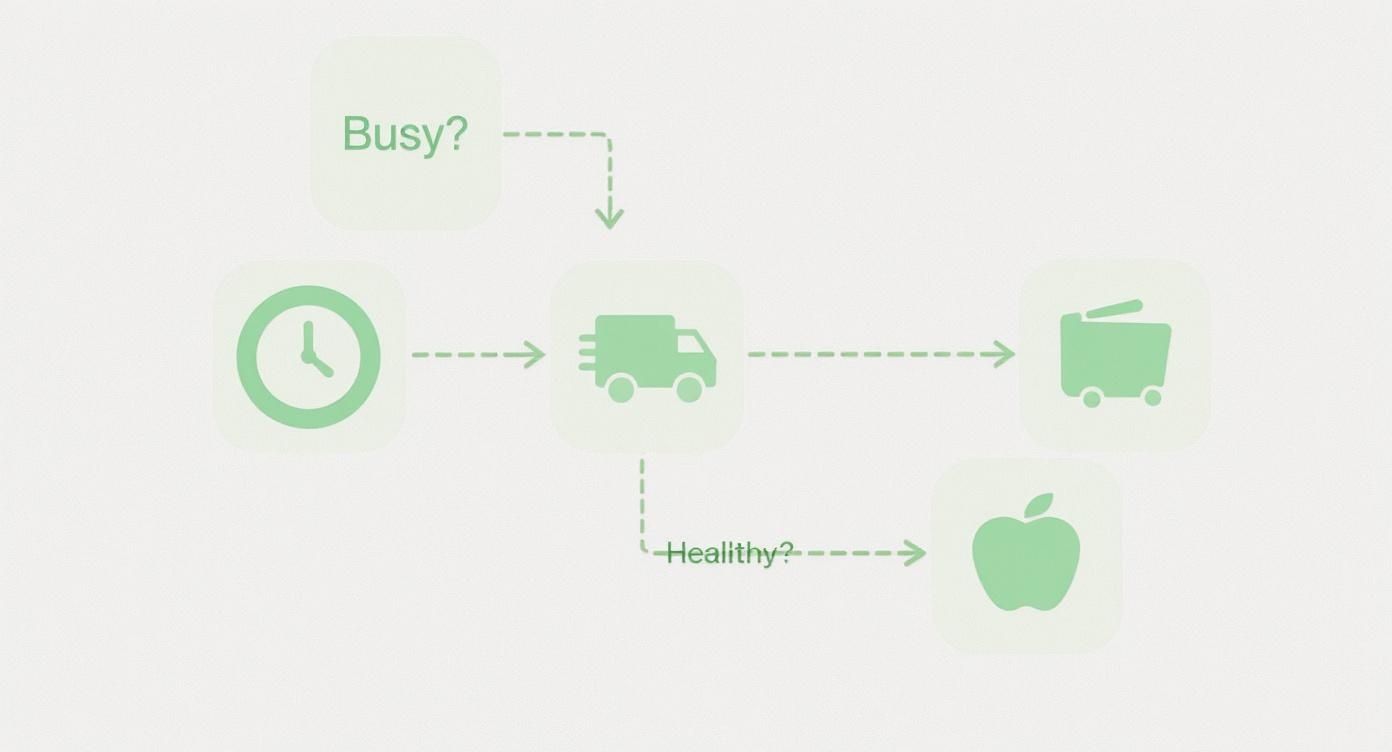
For anyone juggling a demanding schedule, it’s clear that a quality meal service offers the most direct route to consistent, nutritious eating.
Reading Between the Lines on the Label
Beyond the big-picture stuff, the nutritional panel is your best friend. It’s the meal’s report card, and a quick scan can reveal the red flags that an otherwise healthy-looking meal might be hiding.
A truly healthy ready meal is defined as much by what it doesn't contain as by what it does. The absence of artificial preservatives, hidden sugars, and excessive sodium is a clear sign of a high-quality, thoughtfully prepared dish.
To help you become a pro at spotting the good from the bad, here’s a quick checklist you can use.
Healthy Ready Meal Checklist
| Nutritional Aspect | What to Look For (The Good) | What to Avoid (The Red Flags) |
|---|---|---|
| Sodium | Under 600mg per serving. | Anything approaching or exceeding 1000mg. |
| Added Sugar | 0g or minimal amounts from natural sources (like honey). | Names like corn syrup, fructose, dextrose, or maltodextrin high up. |
| Protein | 20-30g from lean sources (chicken, fish, legumes). | Low protein content (<15g) that won't keep you full. |
| Fibre | At least 5-10g from vegetables and whole grains. | Low fibre, indicating a lack of veggies or refined grains. |
| Preservatives | A clean list with no artificial preservatives or additives. | A long list of chemical-sounding names and numbers. |
| Ingredients List | Short, simple, and full of recognisable whole foods. | An endless list where whole foods are buried at the bottom. |
Keep this in mind next time you're evaluating a meal. A truly nourishing dish gets its flavour from high-quality ingredients and spices, not from being loaded up with salt, sugar, and artificial enhancers.
How to Read Nutrition Labels Like a Pro
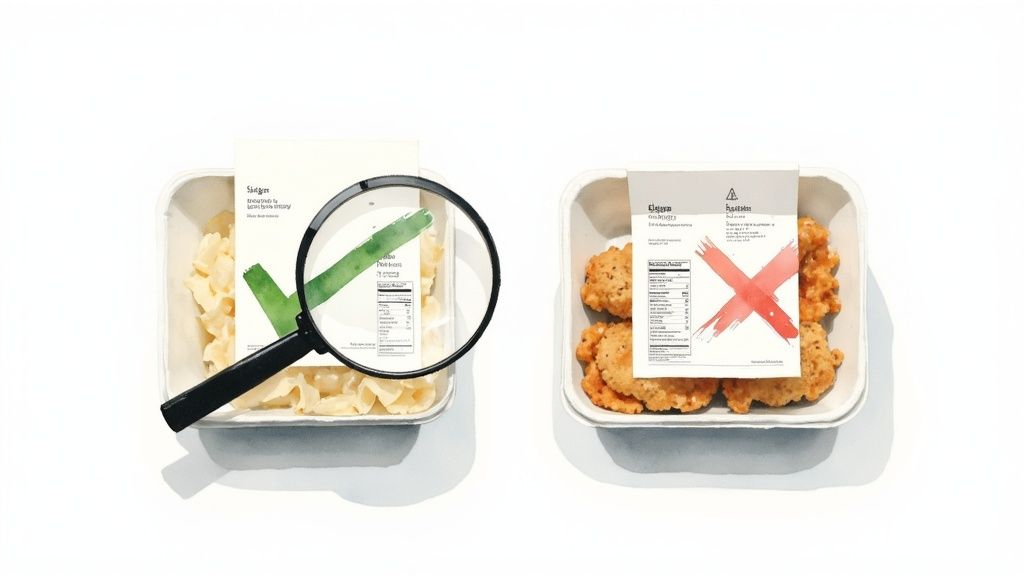
Ever feel like you need a science degree to understand the back of a meal container? You're definitely not alone. The nutrition label is your secret weapon for telling a genuinely healthy ready-made meal from a clever imposter, but you need to know the code.
Think of it less as a complex document and more as your meal’s report card. It lays everything bare, from energy levels to sneaky additives. The COVID-19 pandemic really changed the game for healthy ready-made meals in Australia, and the trend isn't slowing down. As more of us rely on them, knowing how to read a label properly is a skill worth having. You can learn more about how Aussie consumer habits have changed on ibisworld.com.
Decoding the Numbers Panel
First up, let's talk numbers. Don't get overwhelmed by trying to analyse everything at once. Just focus on these three key figures to get a quick read on a meal's quality.
- Kilojoules (Energy): This is the fuel your meal provides. For a solid main meal, you'll want to see a number somewhere between 1,500 and 2,500 kJ.
- Sodium (Salt): This is a huge one. So many pre-made meals are packed with salt to boost flavour and shelf life. Keep it under 600mg of sodium per serve to avoid going overboard.
- Saturated Fat: Not all fats are bad, but this is the one to watch. Aim for less than 10g of saturated fat per serving to keep your heart happy.
These numbers give you a quick, no-nonsense snapshot. If a meal passes this initial test, you're on the right track.
Beyond the Numbers: The Ingredients List
While the numbers panel gives you the stats, the ingredients list tells the story. This is where you can truly see what a meal is made of. The ingredients are always listed from the largest quantity to the smallest.
A good rule of thumb is that the ingredients list should read like a recipe you'd make at home, not a lab report. You want to see real, whole foods right at the top.
A meal that starts with "Chicken Breast, Brown Rice, Broccoli" is in a completely different league from one that lists "Water, Reconstituted Potato Flakes, Vegetable Oil" as its main components.
Imagine you're choosing between two 'Chicken Curry' ready meals. Meal A's list starts with chicken, coconut milk, and a blend of spices. Meal B's list starts with water, sugar, and modified starch. Even if their kilojoule counts are similar, Meal A is the obvious choice because it's built on a foundation of actual food. It's that simple.
Fitting Ready Meals into Your Real Life
It’s one thing to know what makes a meal healthy, but it’s another thing entirely to see how that fits into a genuinely busy week. This is where healthy ready-made meals really shine—they’re designed to work around your life, not make you work for them.
To give you a practical idea of what this looks like, we've pulled together a few sample weekly meal plans for different Aussie lifestyles. Think of these as a starting point for five days of inspiration, showing how easy it is to eat well, no matter your schedule, budget, or health goals.
Plan 1: The Busy Professional
When you're juggling deadlines and a killer commute, lunch and dinner are often the first things to suffer. This plan is all about reclaiming your evenings and powering through your afternoons with meals that are big on energy and require zero prep.
- Monday: Start the week strong with a vibrant Chicken Tikka Masala for lunch to beat the 3pm slump, then unwind with a light yet satisfying Palak Paneer for dinner.
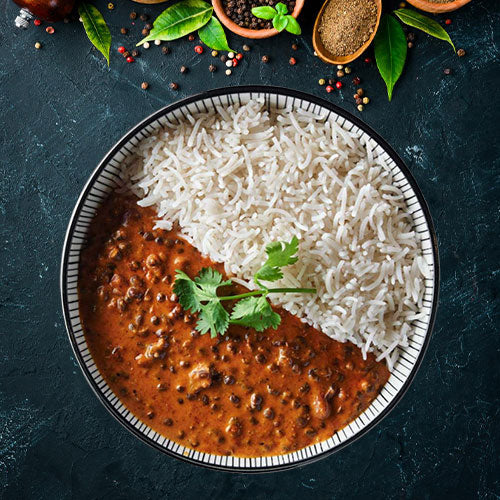
- Tuesday: A protein-rich Lamb Rogan Josh for lunch will keep you feeling full and sharp. For dinner, it's a quick and wholesome Dal Makhani.
- Wednesday: Get over hump day with a classic, flavour-packed Butter Chicken. Keep dinner simple with a comforting Vegetable Korma.
- Thursday: A hearty Beef Vindaloo gives you the fuel needed to tackle a demanding afternoon. A no-fuss Chana Masala for dinner means your evening is all yours.
- Friday: Celebrate the home stretch with a delicious Chicken Biryani, and ease into your weekend stress-free with a simple Aloo Gobi.
Plan 2: The University Student
Between lectures, late-night study sessions, and trying to stick to a budget, the two-minute noodle life can feel inevitable. This plan is designed to be affordable, filling, and way more nutritious than your typical student grub.
Healthy eating on a budget isn't about sacrifice; it's about making smarter choices. A week of planned ready meals can honestly be cheaper than grabbing groceries for meals you might not have time to cook, letting good food go to waste.
This approach gives you the brain food you need without the financial headache. For more ideas, check out our guide on how to eat healthy on a budget.
- Monday: A hearty Rajma Masala to kick off the week.
- Tuesday: Paneer Butter Masala for a satisfying meal that's easy on the wallet.
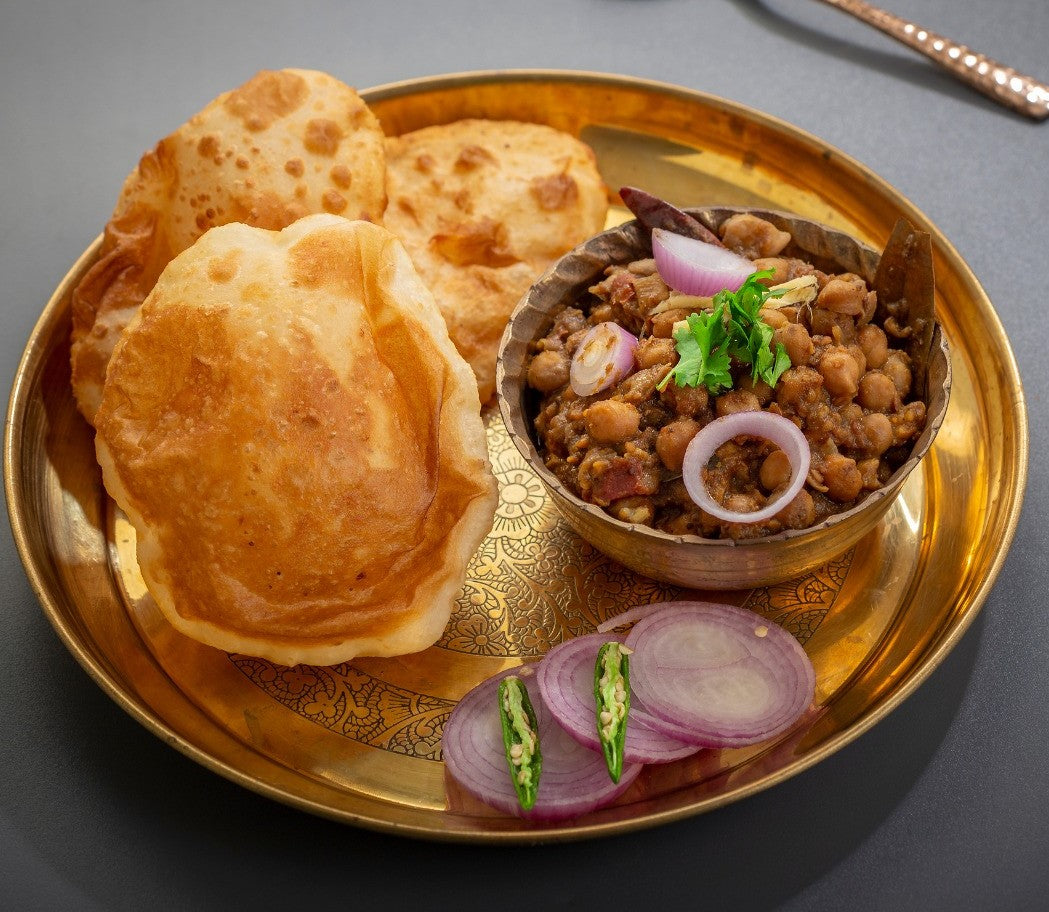
- Wednesday: A classic Chole Bhature to power through a long study session.
- Thursday: A comforting and affordable Aloo Paratha makes for an easy dinner.
- Friday: Wrap up the week with a flavourful Mixed Vegetable Curry.
Plan 3: The Fitness Enthusiast
When you're serious about your training, every meal plays a part. This plan is built to support your fitness goals with high-protein options that help with muscle recovery and give you sustained energy, without the extra carbs or fats you don't need.
- Monday: Fuel your recovery with a lean Chicken Korma, perfect after a tough workout.
- Tuesday: A high-protein Tandoori Chicken meal helps you hit your macros without even trying.
- Wednesday: Fish Curry delivers a dose of essential omega-3s and clean protein.
- Thursday: Keep it lean and green with a delicious Saag Chicken.
- Friday: A light yet satisfying Goan Prawn Curry is a great way to finish the week's training.
Of course, these are just templates. The real goal is to find a rhythm that feels right for you. Use healthy ready-made meals as a tool to help you stay on track, get back your precious time, and simply feel your best.
Keeping Your Meals Fresh and Flavourful
You’ve picked out a delicious, healthy meal, but getting it onto your plate is only half the story. How you store and reheat your food are the final, crucial steps. Get these right, and you'll lock in that just-cooked flavour, preserve vital nutrients, and keep the textures exactly as the chef intended.
It’s amazing how far food technology has come, especially in the Aussie ready-meal scene. Modern techniques like vacuum-sealing and flash-freezing aren't just about convenience; they’re designed to extend shelf life while keeping all the goodness intact. It's why our meals arrive at your door so incredibly fresh.

Smart Storage for Peak Freshness
What you do with your meals the moment they arrive makes all the difference. Proper storage is your first line of defence against lost flavour and spoiled textures.
-
Chilled Meals: If you plan on digging in within a few days, the fridge is your best friend. Pop the meal on a shelf—not in the door where the temperature fluctuates—to keep things consistently cool. And always, always check the "use by" date.
-
Freezing for Later: Got meals you want to save for a rainy day? The freezer is perfect for that. To really protect your food from freezer burn and lock in that freshness for the long haul, a good vacuum sealer like the Sunbeam Foodsaver system for vacuum sealing is a fantastic investment.
The Art of Reheating
Nobody wants rubbery chicken or soggy veggies. Reheating is a bit of an art, but luckily, it’s one with simple rules. The right technique can completely make or break your dining experience.
Pro Tip: Remember, you're not just trying to make the food hot. The real goal is to reawaken its original textures and aromas. A little patience here pays off big time in flavour.
Following the instructions on the packaging is always your best bet, but here are two solid methods that work for almost anything:
-
Microwave for Speed: This is the go-to when you're short on time. Pierce the film lid, and for dishes like curries or rice, add a tiny splash of water to keep things moist. Heat in one-minute bursts, giving it a stir in between to avoid cold spots.
-
Oven for Quality: For preserving texture, especially for anything that should be a bit crispy, the oven is king. Just transfer the food to an oven-safe dish, cover it with foil to stop it from drying out, and heat at a moderate temperature until it’s warmed all the way through.
Choosing the Right Meal Delivery Service
With so many meal services out there, picking the right one can feel a bit overwhelming. The secret is to find a provider that nails the essentials: honest, quality ingredients and an ordering process that’s actually easy to use.
Think of a great meal delivery service as a partner in your health journey. Their website shouldn't just be a menu; it should be a simple tool that helps you find exactly what you're after. Clear navigation and search filters are a must. At Jewel of Asia, for instance, you can quickly filter for vegetarian, vegan, or gluten-free options, which saves a ton of time and guesswork.
What to Look for in a Provider
Beyond the food itself, a trustworthy service is completely upfront about the details. This is what builds confidence and ensures you don’t get any nasty surprises with your order.
- Transparent Pricing: The cost per meal should be crystal clear from the get-go, with no hidden fees popping up at the checkout. Things like student deals or catering packs are a good sign they understand different budgets and needs.
- Clear Delivery Information: You need to know exactly which areas they deliver to and when you can expect your food. This is crucial for planning your week without a hitch.
- Commitment to Freshness: The best services shout about their ingredients from the rooftops. A promise of preservative-free meals made with all-natural ingredients is a massive green flag.
Choosing a meal delivery service is about more than just food; it’s about trusting a company with your health, time, and money. Look for signs that they value your trust through clear communication and a commitment to quality.
At the end of the day, you want a service that actually delivers on its promise of delicious, convenient food. A smooth ordering experience is often the first clue you've found a winner. For a closer look at what sets a great service apart, our guide on ready meal delivery in Sydney has even more helpful tips.
Got Questions About Ready-Made Meals? Let's Clear Them Up
Even after seeing all the perks, it's totally normal to have a few questions buzzing around. Shifting to ready-made meals is a new routine, and it’s smart to get the full picture before you dive in. Let's walk through some of the most common queries I hear all the time.
How Long Do The Meals Actually Stay Fresh?
This is probably the most practical question of all, and a really important one. Since top-tier services like ours steer clear of nasty artificial preservatives, the meals are made to be enjoyed fresh.
For meals you pop in the fridge, you can generally count on them staying fresh for up to 5-7 days. Your best bet is to always check the "use by" date on the pack itself for the exact timing. If you want to stock up, most meals freeze beautifully and will keep for several weeks without any drop in flavour or quality.
Are They Genuinely Cheaper Than Cooking From Scratch?
It's a common assumption that a meal delivery service is a bit of a splurge, but when you crunch the numbers, the reality is often quite different. Think about it: you have to buy all the individual ingredients, factor in the veggies that go bad in the crisper, and then there's the value of your own time spent shopping and cooking.
When you add it all up, ready meals can be surprisingly budget-friendly. A lot of our customers find they actually spend less overall, especially once they cut out those expensive, last-minute takeaway orders on hectic weeknights.
We often think convenience costs a premium. But when you stop making impulse buys at the grocery store and cut down on food waste, a well-planned week of ready-made meals can be a brilliant move for your wallet.
Can I Find Meals That Fit My Specific Diet?
Absolutely. The best services know that ‘healthy’ isn’t a one-size-fits-all term. Whether you’re on the hunt for meals that are:
- Gluten-Free
- Vegetarian or Vegan
- High-Protein
- Low-Carb
You'll almost always find easy ways to filter the menu to match your lifestyle. This kind of customisation is a huge plus, as it takes the guesswork out of sticking to your health goals. You don't have to spend hours scrutinising ingredient lists; the work is already done for you.
Ready to taste the difference that fresh, authentic Indian cooking can make to your week? Jewel of Asia delivers preservative-free meals straight to you. Explore our menu today!
Share